
Last updated October 30, 2026
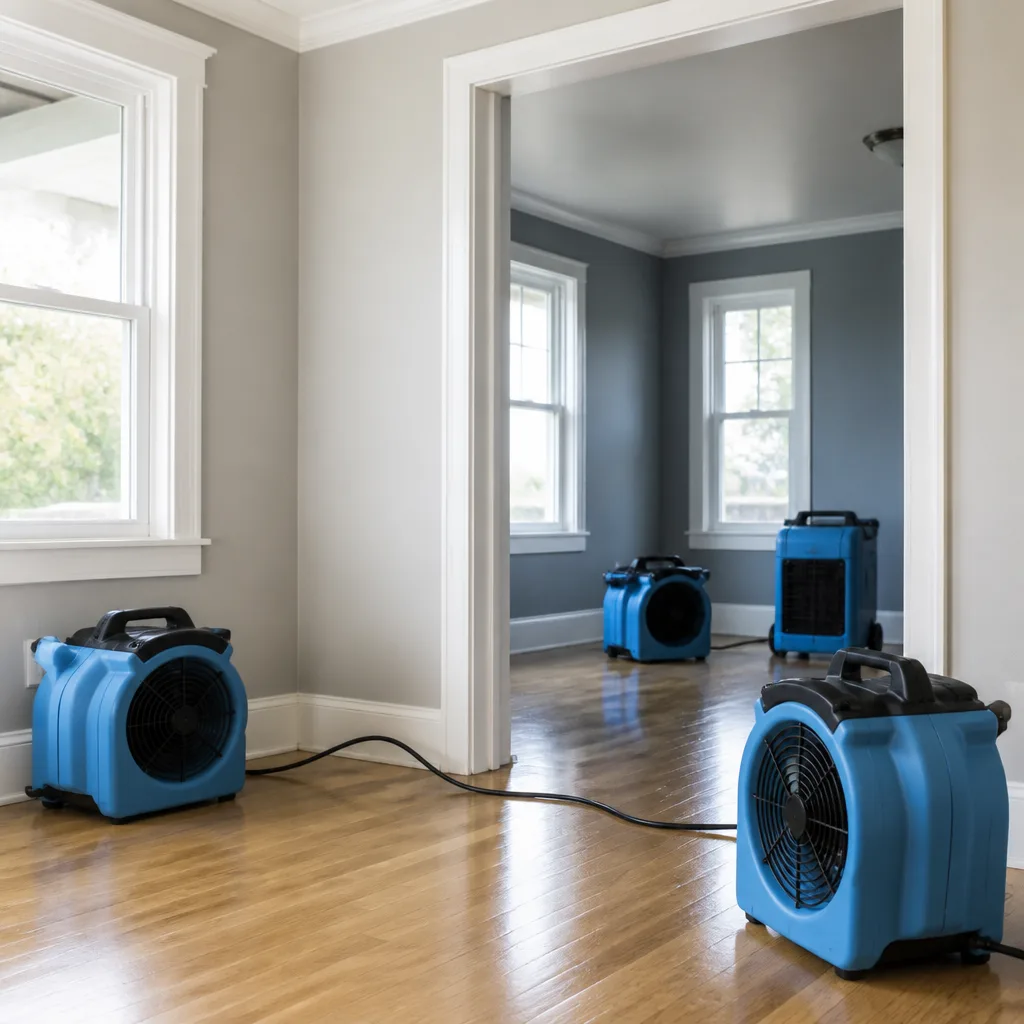 Water damage drying
 Fire & smoke cleanup
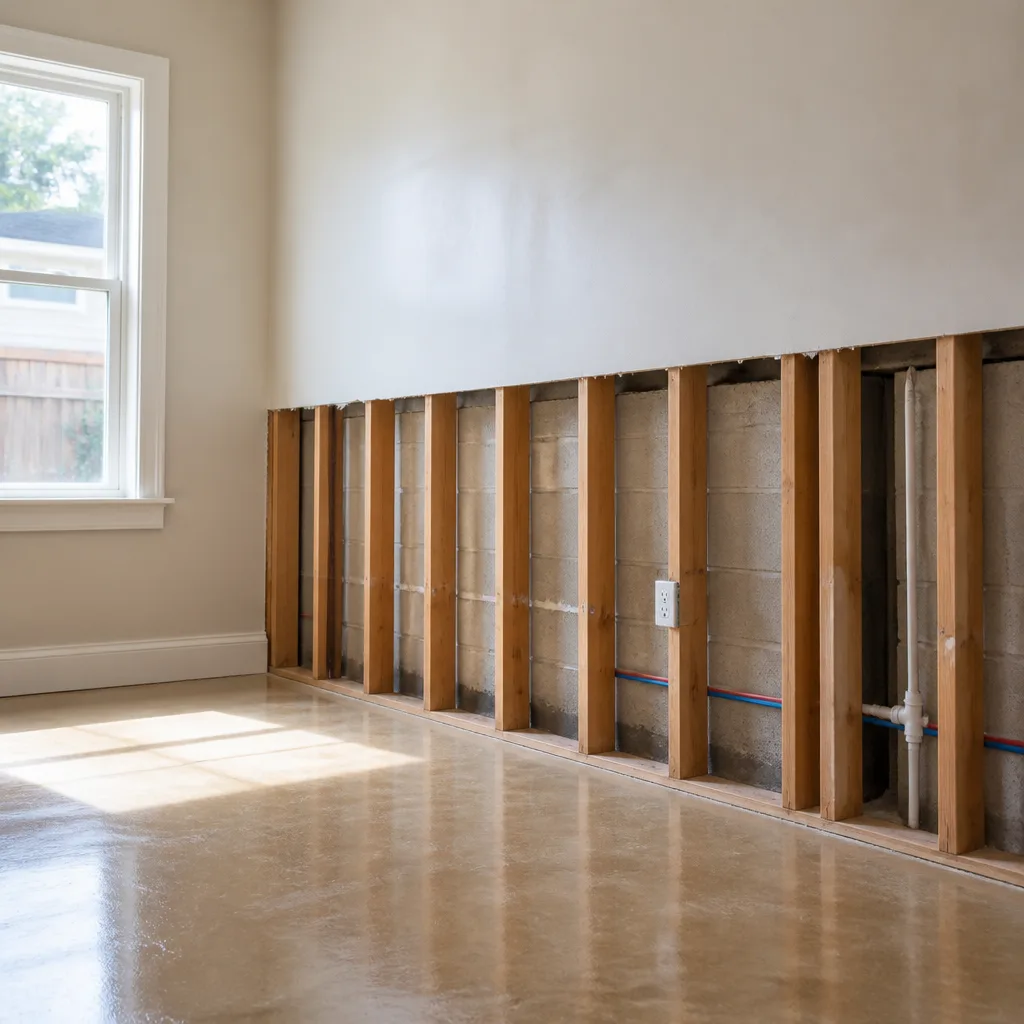 Mold remediation
 Storm response
 Sewage cleanup
 Reconstruction
Free visual inspection and a written scope of work before any mitigation begins - photos, moisture readings, and drying logs go in your claim file
The scope we write is the scope we bill. Anything new gets shown to you, in writing, before we touch it.
Get your free estimateDIY vs Professional Damage Restoration: The Murrieta Homeowner’s Decision Guide
FEMA’s own data tells a story most restoration companies don’t want you to hear: 93% of water damage events that progress to mold remediation began with either no professional drying equipment on site or a delayed professional response. The rental dehumidifier from Home Depot delivers roughly 30% of the grain-per-hour capacity of a commercial LGR unit, yet costs about the same per day. We see this play out across Murrieta neighborhoods every month – from Copper Canyon to Bear Creek – homeowners who made a reasonable-sounding cost decision in hour one and ended up financing a five-figure mold remediation by week three. This guide is not going to tell you to always call a professional. It’s going to tell you exactly where the line is.
Quick Answer
DIY restoration is appropriate for water loss events where the water is Category 1 (clean source), the affected area is under about 20 square feet, drying can begin within 2 hours, and no building materials are saturated beyond surface level. Professional restoration becomes necessary when water is Category 2 or 3, the affected area exceeds 20 square feet, water has penetrated drywall, flooring, or wall cavities, or an insurance claim is being filed – because documentation, psychrometric drying logs, and IICRC-compliant protocols will determine whether your claim is paid in full. In Murrieta’s warm-dry climate, the temptation to skip professional drying is stronger than in humid regions, but the failure mode is identical: moisture trapped in cavities feeds mold within 48 to 72 hours.
Restoration work we handle
Table of Contents
- The Legitimate DIY Window: What You Can Do in the First Hour
- Where DIY Intervention Causes Insurance Claim Problems
- The Equipment Reality: Why “It Feels Dry” Fails
- California Contractor License Law: Which Tasks Require a Licensed Contractor
- The Decision Matrix: Four Variables That Settle the Question
- Murrieta-Specific Considerations: Climate, Codes, and Housing Stock
- The Hidden Cost Math: DIY Savings vs. Delayed Professional Intervention
- Common Mistakes to Avoid
- When to Call a Professional
The Legitimate DIY Window: What You Can Do in the First Hour
The first hour after water intrusion is yours. Nothing you do in that window will compromise a professional restoration, and everything you do well will reduce the scope of what follows. Here’s what competent homeowners in Murrieta should handle themselves, in order:
- Stop the source. Shut the water main if necessary. For supply-line ruptures, turn the appliance valve off. For roof leaks during Murrieta’s rare but intense winter rain events, tarp the attic penetration from inside if safe. This takes minutes and saves thousands.
- Cut electricity to the affected area. Water and electricity don’t mix. If your breaker panel is in an unaffected area, kill the circuit to the wet room. If water is anywhere near the panel itself, do not touch it – call an electrician immediately after the water mitigation company arrives.
- Remove standing water with a wet-vac. A homeowner-grade wet-vac will pull 5 to 10 gallons before needing emptying. On a 30-gallon spill, that’s three to six trips. It’s slow, it’s unpleasant, and it works. Do this for clean water only – never for sewage backups or toilet overflows involving waste.
- Move furniture and belongings to dry areas. Lift wood furniture off wet carpet with blocks or foil under the legs. Pull area rugs up. Remove books, electronics, and papers from the affected room. Every item you move saves money and salvage likelihood.
- Set up cross-ventilation. Open windows and set box fans to push air across wet surfaces and out the room. This helps – but it does not replace structural drying. Surface evaporation and cavity drying are entirely different physics problems. We’ll get to that.
This work matters, and no restoration company should discourage you from doing it. In our experience, a homeowner who executes these five steps well can reduce the professional drying timeline by a day or more. But the next step is where people get hurt – and where insurance coverage starts to slip away.
Where DIY Intervention Causes Insurance Claim Problems
Insurance adjusters don’t deny claims because you did too little. They reduce or deny claims because you did too much – specifically because you removed evidence before someone documented it. If you’ve filed or intend to file a claim, here’s the sequence that keeps you protected:
- Photograph everything before you touch anything. Wide shots of the room, close-ups of water lines on drywall, the source of the water, the depth of standing water if measurable. Use your phone’s timestamp feature and a tape measure for scale. These photos are the baseline of your claim.
- Do not discard damaged materials. Wet carpet pad, swollen cabinetry, saturated drywall – leave them in place until the adjuster or restoration company documents them. If you must pull carpet pad to prevent further spread, photograph it in place first, then move it to the garage or driveway. Do not put it in the trash before documentation.
- Do not open walls. This is the big one. Once you cut into drywall, you’ve removed the evidence envelope that shows how high the water actually migrated. An adjuster cannot verify the scope of damage behind an already-opened wall. The result is frequently a partial denial or a reduced settlement that doesn’t cover the full repair scope.
- Keep a written log. Note the time the water source was shut off, when you started your wet-vac work, when fans were set up, and what materials were moved. This demonstrates reasonable mitigation steps – which most policies require – without compromising evidence.
The tension here is real: your policy may require you to “mitigate further damage,” which pushes you to act quickly, while the evidence-preservation reality argues for leaving things alone. The resolution is to do the surface-level mitigation in the first hour, then document thoroughly, then bring in a restoration company that works directly with carriers. A professional water damage restoration team in Murrieta will photograph, map, and scope before demolition begins – so the evidence chain is intact and the claim has a documented basis.
The Equipment Reality: Why “It Feels Dry” Fails
Here’s the part most homeowners never hear, because the home-improvement aisle doesn’t stock the tools needed to explain it. Drying a structure is an engineering project governed by psychrometrics – the science of moisture content in air, materials, and the interaction between them. A rental dehumidifier pulls about 30 to 40 pints of water per day under ideal conditions. A commercial LGR (low-grain refrigerant) dehumidifier pulls 70 to 140 pints per day. And professional drying configurations aren’t one machine – they’re systems: dehumidifiers built around axial air movers, directed airflow patterns, and temperature management, calculated to the specific class and category of the water loss.
The “it feels dry” test fails in three specific ways:
- Surface dry ≠ cavity dry. Drywall can feel bone-dry on the painted face while the paper backing on the back side is saturated at 25% moisture content. Mold needs about 20% equilibrium relative humidity in the cavity and organic material to start colonizing. You cannot feel that from the front side.
- Subfloor moisture is invisible. Water trapped under vinyl plank flooring, between tile and wood underlayment, or under hardwood in Murrieta’s slab-on-grade construction can sit for weeks without any visible sign on the surface. By the time staining or odor appears, mold is well established.
- Calibrated moisture meters catch what eyes and hands miss. Restoration professionals use penetrating and non-penetrating moisture meters to map affected areas to the square foot. The drying plan – how many dehumidifiers, how many air movers, where they’re placed, which direction they point – is calculated from those readings, not guessed. We’ve seen hundreds of Murrieta homes where a homeowner confidently declared the area “dry to the touch” while our meter showed 28% moisture content in the drywall at the baseboard line. The math doesn’t lie: grain per hour is measurable, and visual assessment is not.
Professional drying equipment matters. We run Dri-Eaz, Phoenix, and XPOWER units on our Murrieta jobs – the same brands you’ll find on commercial losses at the county courthouse or a Murrieta medical building. These aren’t rental-counter machines. They’re engineered for continuous operation at specified grain-depression rates, and their performance is logged and documented. If an insurance carrier is involved, that documentation is what keeps the claim clean. If no carrier is involved, that documentation is your protection against a mold problem emerging six months later.
California Contractor License Law: Which Tasks Require a Licensed Contractor
California Contractor State License Board (CSLB) rules draw a hard line on restoration work, and Murrieta homeowners run real exposure by crossing it. Here’s the distinction:
Work that does not require a contractor license: Removing standing water with a wet-vac or mop, setting up household fans, moving furniture, photographing damage, basic cleanup of undamaged surfaces, and throwing away clearly non-salvageable personal belongings (after documentation).
Work that requires a licensed contractor in California:
- Demolition that changes the structure – removing drywall, cutting out baseboards, pulling up flooring, any work that would require a permit if done as new construction. This falls under the B (General Building) classification.
- Electrical work related to the loss – disconnecting hardwired appliances, working on circuits impacted by water, installing temporary power. This is C-10 electrical territory.
- Plumbing repairs related to the loss – replacing a failed supply line, repairing a water heater, addressing a slab leak. This is C-36 plumbing.
- HVAC ductwork access and cleaning after contamination – C-20 warm-air heating, ventilating, and air conditioning classification.
- Structural drying that involves penetrating walls or floors – injection drying systems that access cavities require licensed, insured professionals operating under a B license with IICRC certifications.
The liability exposure for a homeowner who performs or arranges unlicensed labor for these scopes is twofold. First, your insurance carrier may deny the portion of the claim related to unlicensed work – and California is aggressive on this point. Second, if unlicensed work causes further damage or injury, your homeowner’s policy may not defend you. This is not a corner worth cutting. A homeowner doing DIY drywall removal on a water-saturated wall, then filing a claim for the “resulting damage,” frequently discovers the adjuster calculated the entire repair at the price of unpermitted work – or excluded it entirely.
The Decision Matrix: Four Variables That Settle the Question
We’ve built this matrix from years of Murrieta losses – everything from a clogged AC condensate line in a Summerly tract home to a sewer backup in a commercial space near Murrieta Hot Springs Road. Four variables determine whether professional engagement is optional, advisable, or legally necessary:
Variable 1: Water Category
- Category 1 (clean water from a supply line, tub overflow, or rainwater): DIY possible if the area is small and you act fast.
- Category 2 (gray water from washing machines, dishwashers, or aquarium leaks): DIY only for source control; professional cleaning and drying is advisable – this water carries microorganisms that multiply quickly.
- Category 3 (black water from sewage, toilet backflow, flood water from outside): Never DIY beyond emergency source control. This is a health hazard requiring full PPE, containment, and IICRC S500-compliant remediation. Professional water damage restoration in Murrieta is not optional here.
Variable 2: Loss Size
- Under 20 square feet, surface-only (a puddle under a sink, a spilled mop bucket): DIY with the hour-one steps above is generally adequate.
- 20 to 100 square feet (a soaked bathroom floor, a hallway from an overflowed tub): DIY only with rigorous drying discipline and daily monitoring. If materials are saturated beyond surface level, professional drying is strongly recommended.
- Over 100 square feet or multiple rooms: Professional restoration is necessary. The drying energy required – air movers, dehumidifiers, HVAC integration – exceeds what any homeowner can assemble and manage reliably.
Variable 3: Affected Materials
- Tile, concrete, and sealed surfaces: More forgiving. DIY surface drying is reasonable if the water did not penetrate under the tile.
- Drywall and baseboards: Wicking occurs within hours. If water touched the bottom of drywall, water has moved up through capillary action. Professional assessment is advisable.
- Carpet and pad: Pad often must go. Carpet may be salvageable with professional extraction and drying. This is borderline – but if the pad is wet, professional extraction beats rental machines significantly.
- Hardwood and engineered flooring: Professional drying is nearly always necessary. Wood flooring absorbs and releases moisture unevenly; improper drying causes cupping, crowning, and permanent damage that insurance will not cover if caused by inadequate mitigation.
- Masonry, slab-on-grade, and cavities: Murrieta’s concrete slabs wick moisture laterally. If water reached the slab, professional assessment is required.
Variable 4: Insurance Involvement
- No claim, small loss, Category 1: DIY is reasonable with thorough drying and monitoring.
- Claim being filed for any category or size: Professional documentation is essential. Your adjuster will ask for moisture readings, drying logs, and proof of protocol compliance. A homeowner with a rental dehumidifier has none of this.
Murrieta-Specific Considerations: Climate, Codes, and Housing Stock
Murrieta’s semi-arid Mediterranean climate creates a unique drying dynamic that works in your favor – and against you. The average relative humidity in Murrieta hovers around 40 to 50% during the warm months, meaning ambient air is ready and willing to absorb moisture. Open-window drying genuinely works here in spring and summer in ways it never would in Florida or Houston. But the hot summer afternoons (regularly hitting the mid-90s from June through September) create a false confidence: surfaces bake dry quickly while slab and cavity moisture levels remain dangerously elevated. Then the structure becomes a closed system again when the AC runs all night, trapping the residual moisture inside wall cavities.
Murrieta’s housing stock presents two distinct profile types. The older neighborhoods around the historic downtown – some homes dating to the 1910s and 1920s in the areas near Washington Avenue – have raised foundations with crawlspaces. Water in a crawlspace introduces a humidity source that wicks into floor joists and subflooring from underneath. This is exactly where in-place drying with Injectidry systems becomes the difference between a one-week drydown and a demolition-and-rebuild scenario. The newer tracts – Greer Ranch, Copper Canyon, Bear Creek, the homes along Clinton Keith Road – are primarily slab-on-grade construction, which means water runs along the slab surface and under flooring, often migrating well beyond the visible wet area.
Local code considerations also shape decisions. Murrieta follows California Building Code with Riverside County amendments. Any restoration work that involves structural repair – replacing studs, reframing, new subfloor – requires city permits. Any electrical work beyond disconnect/reconnect triggers C-10 licensing requirements. A restoration company that handles the damage triangle – water, mold, and fire – will know which scope requires which permit and which self-certification applies. A homeowner discovering the permit requirements mid-project typically finds them through a stop-work notice.
The Hidden Cost Math: DIY Savings vs. Delayed Professional Intervention
Let’s talk about what DIY actually costs, because the surface numbers are misleading. A rental dehumidifier from a big-box store runs about $35 to $50 per day. You’ll run it for four days, maybe a week. Your total outlay is $150 to $350. The professional restoration quote might be $1,500 to $4,000 for a typical Category 1 room-scale event. The DIY route looks like it saves you $1,200 to $3,800. Here’s what that math ignores:
- The mold clock runs regardless of your decision. If moisture remains in wall cavities or under flooring past the 72-hour mark, mold colonization begins. A mold remediation in Murrieta for a contained, small-scale cavity problem typically runs $1,500 to $6,000. For a widespread hidden mold issue that has spread through a wall system, $10,000 to $25,000 is common. The DIY savings from week one is consumed entirely by the mold bill from month three.
- Rental equipment capacity is the silent limiter. We covered the math earlier – 30 to 40 pints per day versus 70 to 140 for a commercial LGR. But the bigger issue is airflow. A rental dehumidifier without professional air movers and directed airflow dries only the air immediately around the machine. The water sitting under your baseboards is not moving toward that machine. It’s moving into your drywall.
- Insurance look-back provisions. Most homeowner policies require “reasonable and prudent mitigation.” If your DIY drying attempts fail and the resulting mold damage is discovered at the next claim – or flagged at policy renewal – the carrier may determine the original loss was inadequately mitigated. That finding can affect the current claim and your renewability.
- Time is the cost most homeowners ignore. Professional drying crews from a certified restorer in Murrieta deploy multiple dehumidifiers, a bank of air movers, and managed airflow – and most Category 1 losses are dry in 3 to 5 days. A DIY setup might take 2 to 3 weeks to reach the same target, if it ever does. During those weeks, you’re not using the room, you’re managing equipment, and the moisture is doing what moisture does.
The decision isn’t really “spend $300 or spend $3,000.” It’s “spend $300 now and $6,000 in three months, or spend $3,000 now and be done.” We are the equipment-serious, credentialed option – we bring Dri-Eaz and Phoenix and XPOWER LGRs to every water loss, and we document every drying metric. If the equipment math weren’t central to the outcome, we wouldn’t invest in it.
Common Mistakes to Avoid
- Pulling carpet pad without photographing first. Insurance carriers need evidence of saturation. Once the pad is in the garage and the floor is bare, the adjuster has no verifiable baseline and the claim settlement will reflect that gap.
- Running box fans in a water-damaged room for “extra air circulation” without a dehumidifier. Air movers without humidity removal just distribute moisture throughout the structure. In Murrieta’s dry climate this works better than humid climates, but even here, the moisture moves into closets, cabinets, and other rooms.
- Using a heat gun or oven to “speed up” drying. Heat without humidity control causes rapid surface drying and the accompanying damage: cracked drywall, cupped hardwood, delaminating laminate. Restoration drying is a controlled process, not an exercise in applied heat.
- Bleaching mold you find. Household bleach does not penetrate porous materials. It bleaches the surface while the mycelial root structure remains in the drywall or wood. Worse, the moisture from the bleach application can actually feed further growth. Mold remediation requires physical removal and proper containment.
- Hiring an unlicensed handyman for water damage “repair.” You’ve now added an insurance gap, a legal exposure, and a potential construction defect to a water loss event. In Murrieta, unlicensed contracting on damage restoration is aggressively pursued by both the CSLB and insurance carriers.
- Waiting until Monday morning to start on a weekend water loss. The 72-hour mold clock doesn’t pause for weekends. If you can’t reach a pro, do the hour-one steps thoroughly and document everything. If you can reach a pro, Saturday-night professional response beats Monday-morning DIY.
- Ignoring the subfloor in a slab home. Murrieta’s slab-on-grade foundations mean water under vinyl plank or laminate has nowhere to go but sideways. A floor that looks dry after a week of fans may be hiding a lateral moisture plume under the flooring system. If the smell comes back in a month, it wasn’t dry.
When to Call a Professional
Call a professional restoration company when any of these conditions apply: the water is Category 2 or 3; the affected area exceeds 20 square feet; water has been present for more than 24 hours; drywall, baseboards, flooring, or cabinetry is saturated; the water source is a slab leak, sewer backup, or HVAC condensate line failure that has been running for days; any electrical equipment or wiring is involved; you’ve filed or plan to file an insurance claim; or you can smell mustiness – even faint – anywhere in the home. In our experience across Murrieta, the homeowners who call early spend less per square foot than the ones who call after the second wave of damage. Whitehall Water Damage offers free estimates in Murrieta – call (844) 643-8708 and we’ll assess the scope with moisture mapping equipment and give you a written, line-item scope before any work starts.
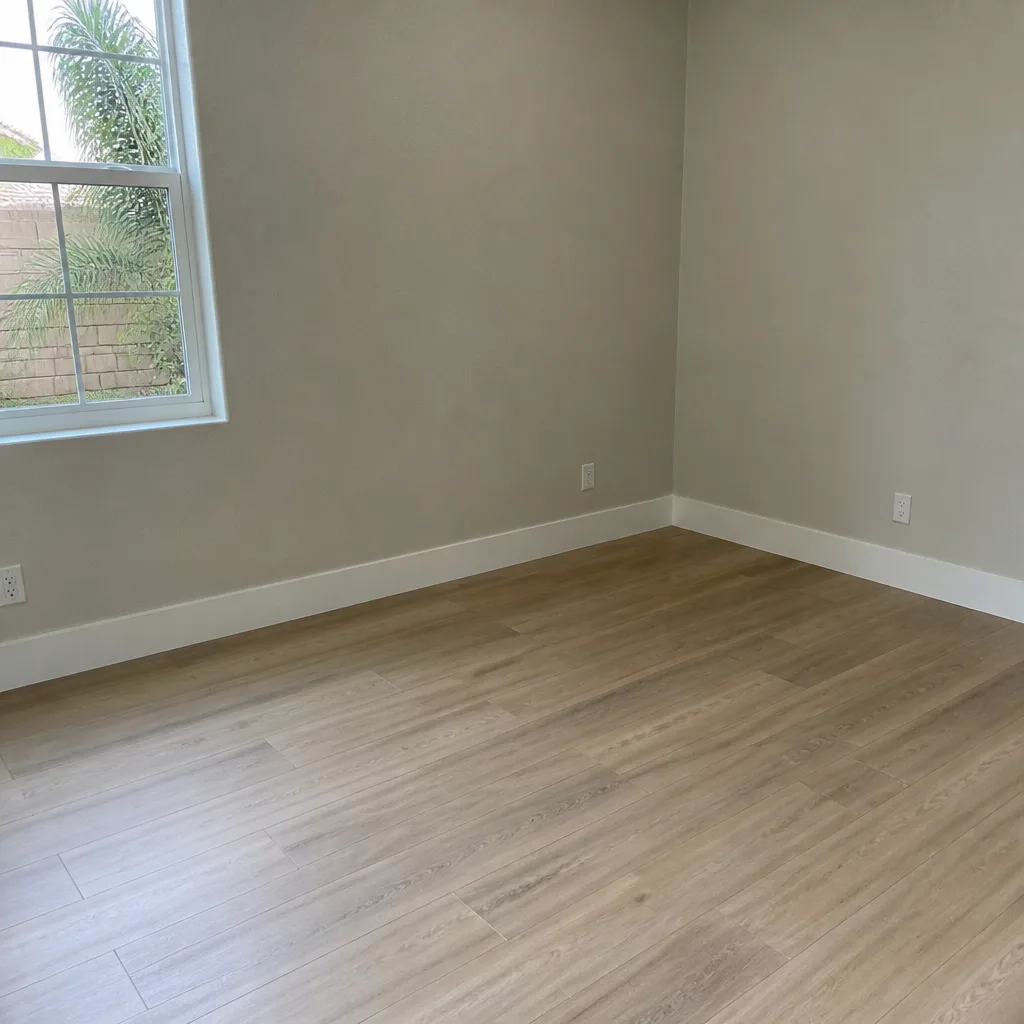
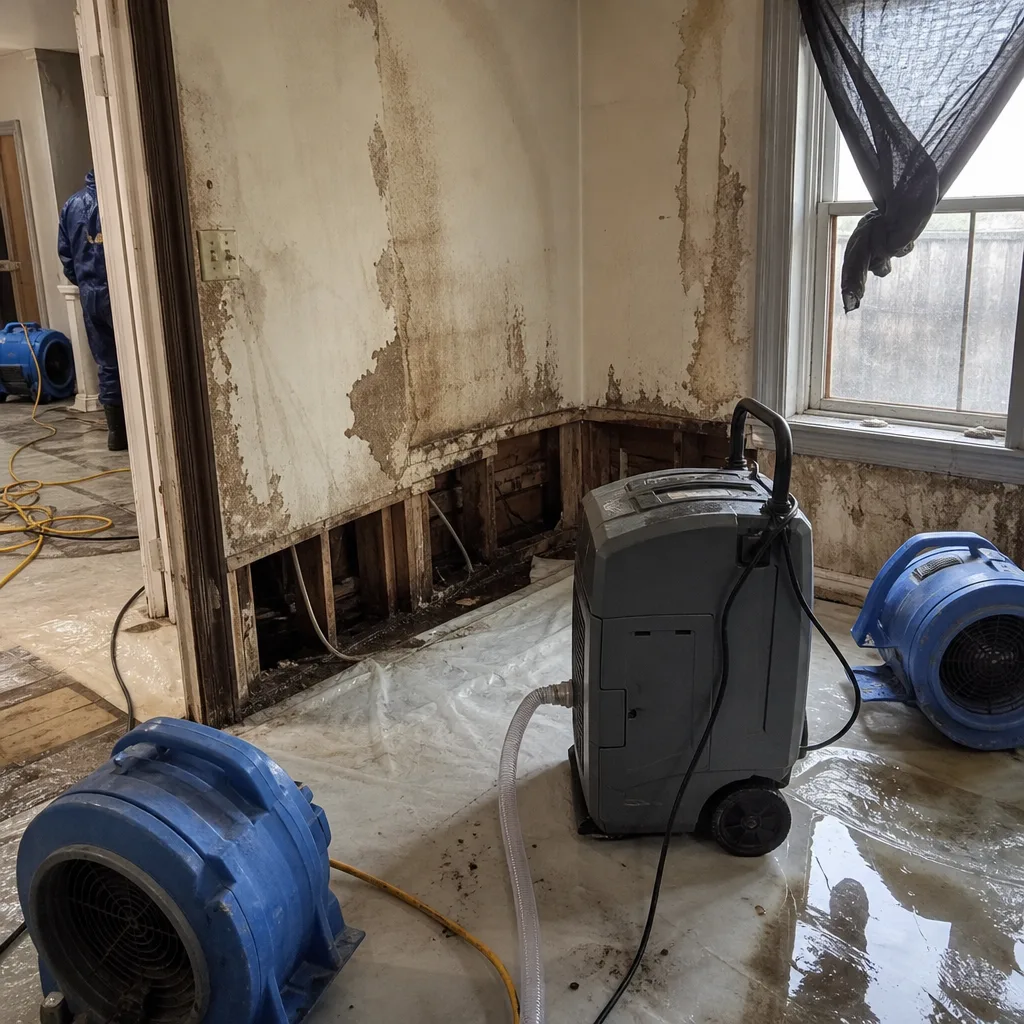
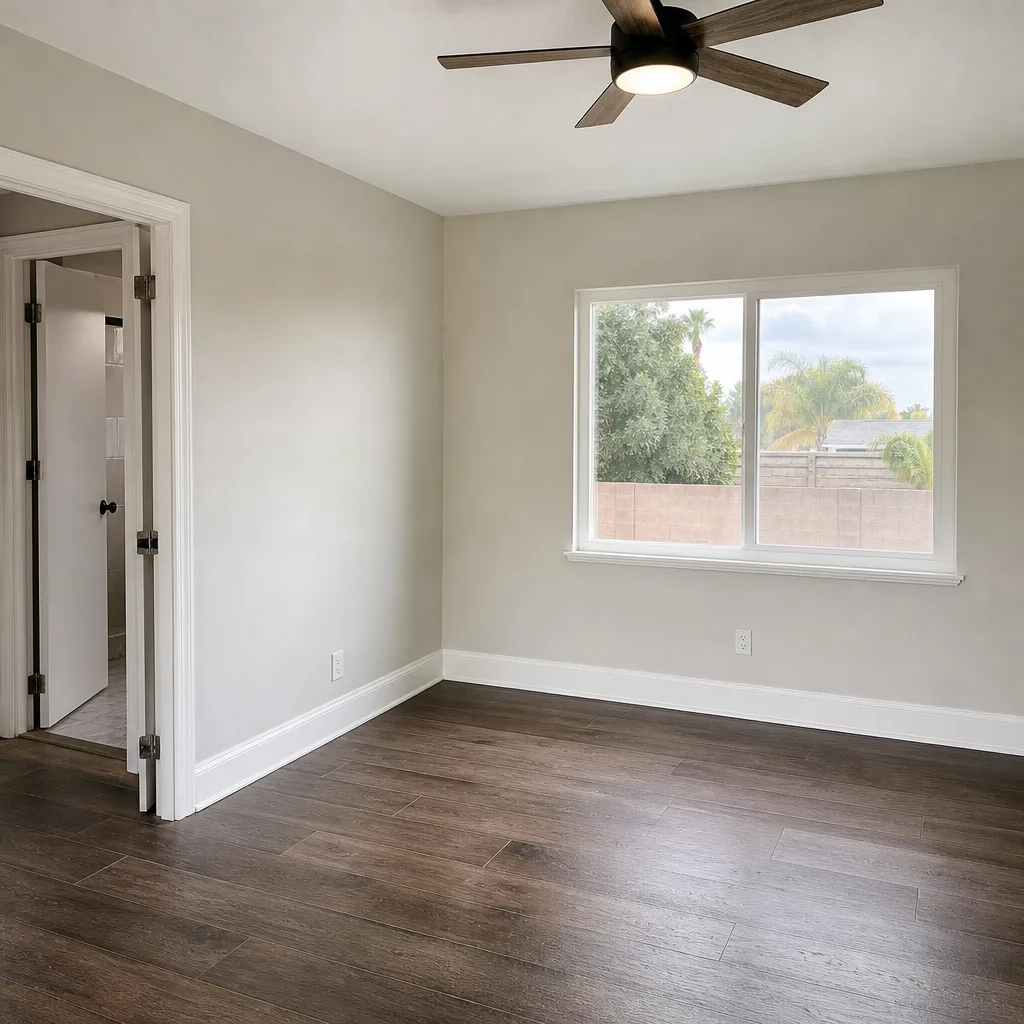
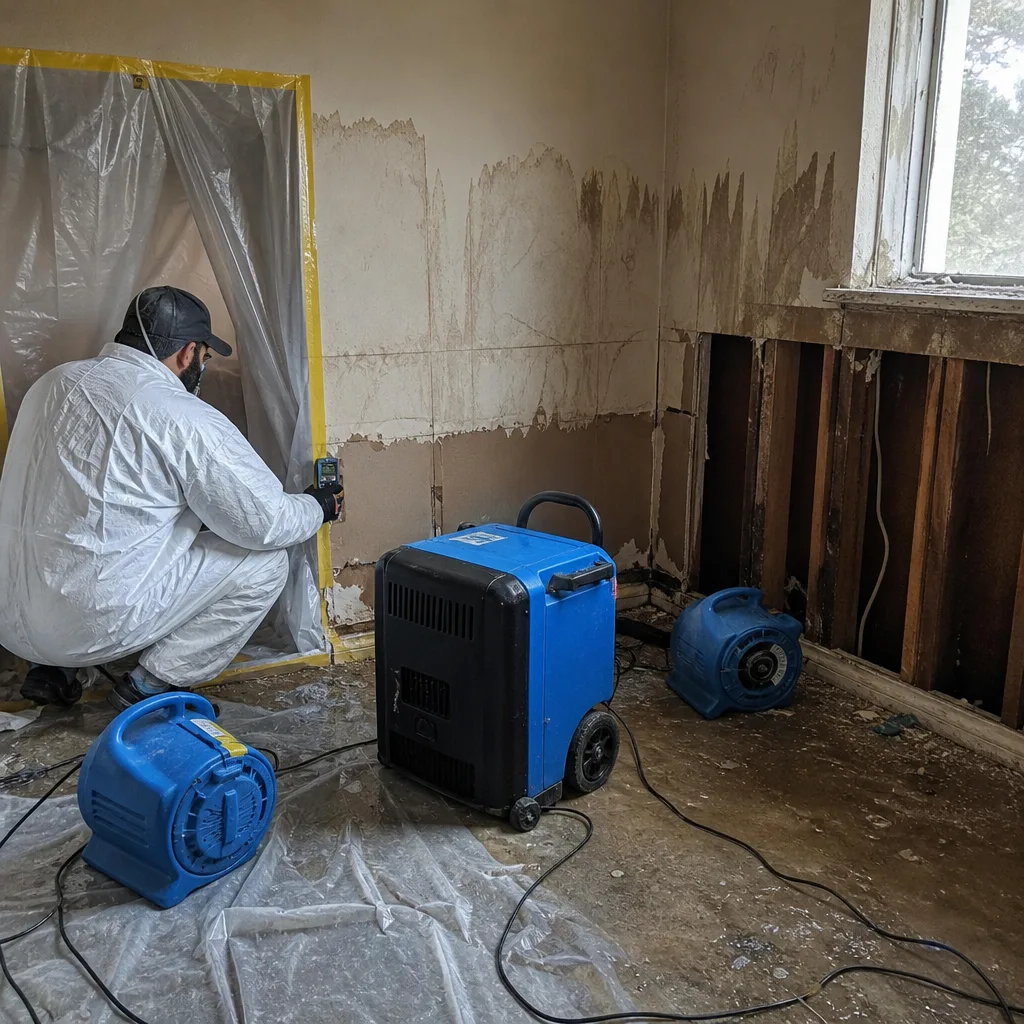
See the difference
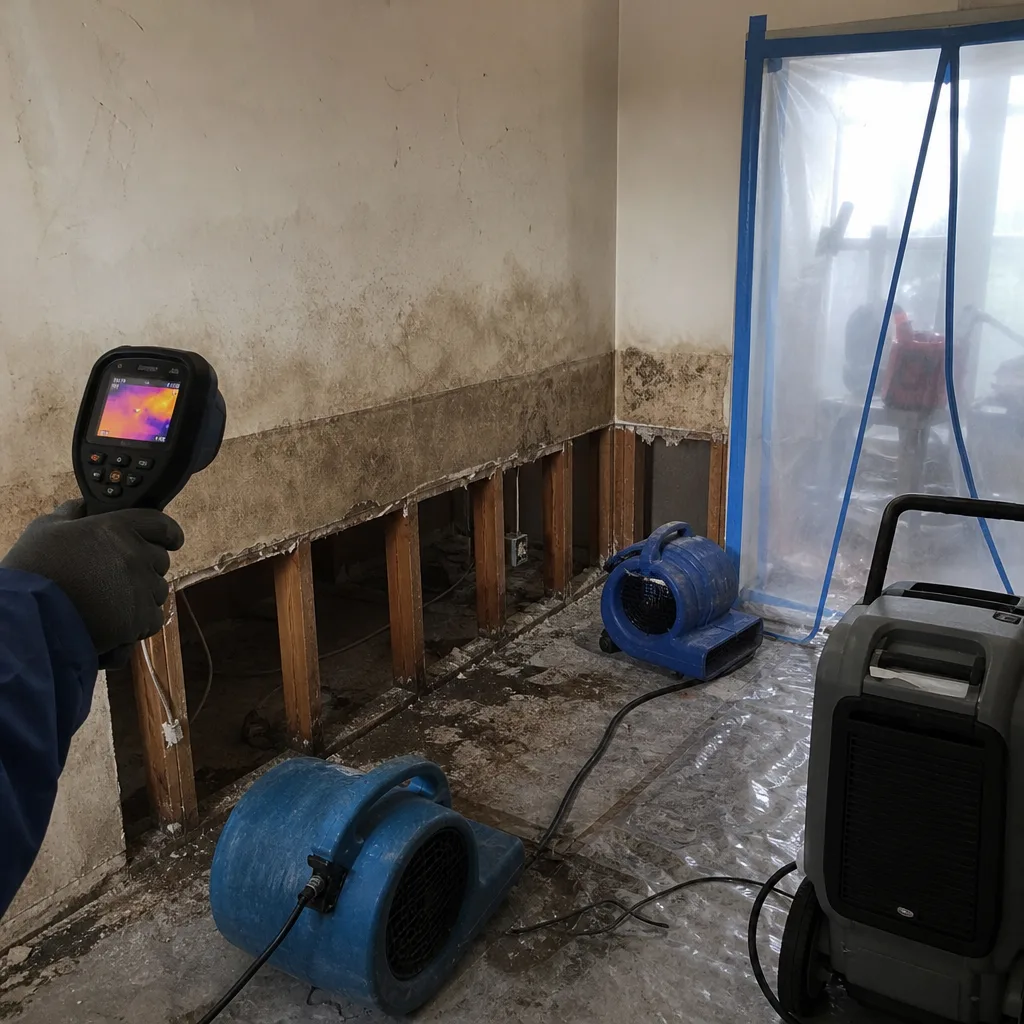 Before
 After
 Before
 After
 Before
 After
Frequently Asked Questions
For a typical Category 1 room-scale water loss in Murrieta – think a laundry room supply line rupture or a toilet overflow caught within a few hours – professional water damage restoration typically runs $1,500 to $4,500 when the affected area is under 200 square feet and no structural drying complications exist. Larger losses, Category 3 contamination, or structural drying involving hardwood and wall cavities can push costs to $8,000 to $25,000 or more, depending on scope. The variable that matters most is time: every hour of water exposure increases the scope. Call (844) 643-8708 for a free Murrieta estimate – we use moisture mapping equipment to determine the actual affected area, so the quote reflects the real scope, not a guess.
Yes, you can – and for a small, Category 1, surface-only loss, a rental dehumidifier with diligent monitoring can work. The limiting factor is capacity: rental units pull 30 to 40 pints per day, while commercial LGR units pull 70 to 140. On a saturated-carpet or wet-drywall loss, the rental machine cannot keep up with the moisture release rate, and the drying timeline stretches while mold risk compounds. If materials are saturated beyond surface level, professional drying with commercial equipment is the financially sound decision, not an upgrade.
Mitigation is the emergency phase: stopping the source, extracting standing water, setting up drying equipment, and stabilizing the environment to prevent secondary damage. Restoration is the repair phase: replacing drywall, flooring, and cabinetry, repainting, and returning the property to pre-loss condition. Murrieta restoration companies that handle both – like Whitehall Water Damage – save homeowners the coordination burden of managing a mitigation-only company, then finding a second contractor for rebuild. A single credentialed team handling the full damage triangle also means the same moisture readings and drying logs inform every phase of the project.
Most Murrieta homeowner policies cover water damage restoration for sudden and accidental events – supply line failures, appliance ruptures, toilet overflows – subject to deductible. Exclusions typically apply to gradual leaks, neglect, flood damage (which requires separate flood insurance), and sewer backup (which may require an endorsement). Professional restoration with documented drying logs and photographic evidence strengthens your claim substantially, because the carrier can verify that mitigation was performed to industry standards. We work directly with insurance carriers and their adjusters, with photo documentation and drying logs provided throughout the process.
Restoration companies in Murrieta typically respond same-day for active water losses, with emergency dispatch available on nights and weekends. The IICRC S500 standard provides guidance on response priorities, and most Murrieta restoration firms – including ours – maintain on-call crews specifically because the 72-hour mold clock starts at the moment of water release, not at the moment you notice it. Call (844) 643-8708 to discuss your situation – if it’s not an emergency, we’ll tell you that.
Mold remediation itself does not require a specific California mold-remediation license, but the work is typically performed under a B (General Building) contractor license, and the industry standard – the IICRC S520 – specifies the protocols for containment, air filtration, and clearance testing. In Murrieta, hiring a company with IICRC-certified technicians who perform work to the S520 standard matters more than any single license classification, because it means the remediation follows a published, auditor-verifiable protocol. If the mold remediation involves structural demolition or rebuild, the B license and Murrieta city permits apply.
The Bottom Line
The DIY-versus-professional question is a false binary. The real framework is phased: you own the first hour, you document everything, and you hand off when the scope crosses from surface moisture into structural saturation or contamination. Murrieta’s dry climate creates false confidence – surfaces dry quickly while cavities hold moisture that becomes mold within three days. Equipment math matters: a rental dehumidifier cannot match commercial LGR capacity, and no amount of box fans replaces directed airflow. Insurance claims require documentation and protocol compliance that homeowners cannot generate alone. The homeowners who approach restoration with clear boundaries – DIY where it’s safe, professional where it’s structural, documented always – get the best outcomes for the lowest total cost. That’s the guide. Call (844) 643-8708 for a free Murrieta estimate, and we’ll help you figure out which side of the line your loss sits on.
Written by the team at Whitehall Water Damage, serving Murrieta since 2015.