
 Water damage drying
 Fire & smoke cleanup
 Mold remediation
 Storm response
 Sewage cleanup
 Reconstruction
Free visual inspection and a written scope of work before any mitigation begins - photos, moisture readings, and drying logs go in your claim file
The scope we write is the scope we bill. Anything new gets shown to you, in writing, before we touch it.
Get your free estimateFast, Reliable Mold Remediation Across Lakeland Village
Mold remediation in Lakeland Village typically costs $1,800 to $6,500 depending on the affected square footage and whether structural cavities are involved, with most projects completed in 2 to 5 days. If you’ve spotted discoloration on a ceiling, caught a musty smell near the lakefront, or returned to a vacant cottage and found mold blooming in the bathroom, the situation needs a certified crew with containment equipment, not a cleaning service. Whitehall Water Damage serves all of Lakeland Village under Riverside County code, and we bring IICRC-certified technicians with commercial-grade drying and HEPA filtration on every job. Call (844) 643-8708 for a free estimate, and we’ll be out to Lakeland Village to inspect the scope in writing.
The older housing stock along Grand Avenue and the lakefront makes Lakeside, Baker Canyon, and the manufactured home communities off Corydon Road particularly vulnerable to concealed mold. We’ve worked enough jobs in the 92530 ZIP to know that a musty smell in an empty cottage is rarely surface level. It’s usually a slow leak in the original cast-iron plumbing feeding mold behind walls for weeks before anyone notices.
Why Whitehall Water Damage Is Lakeland Village’s Preferred Mold Remediation Company
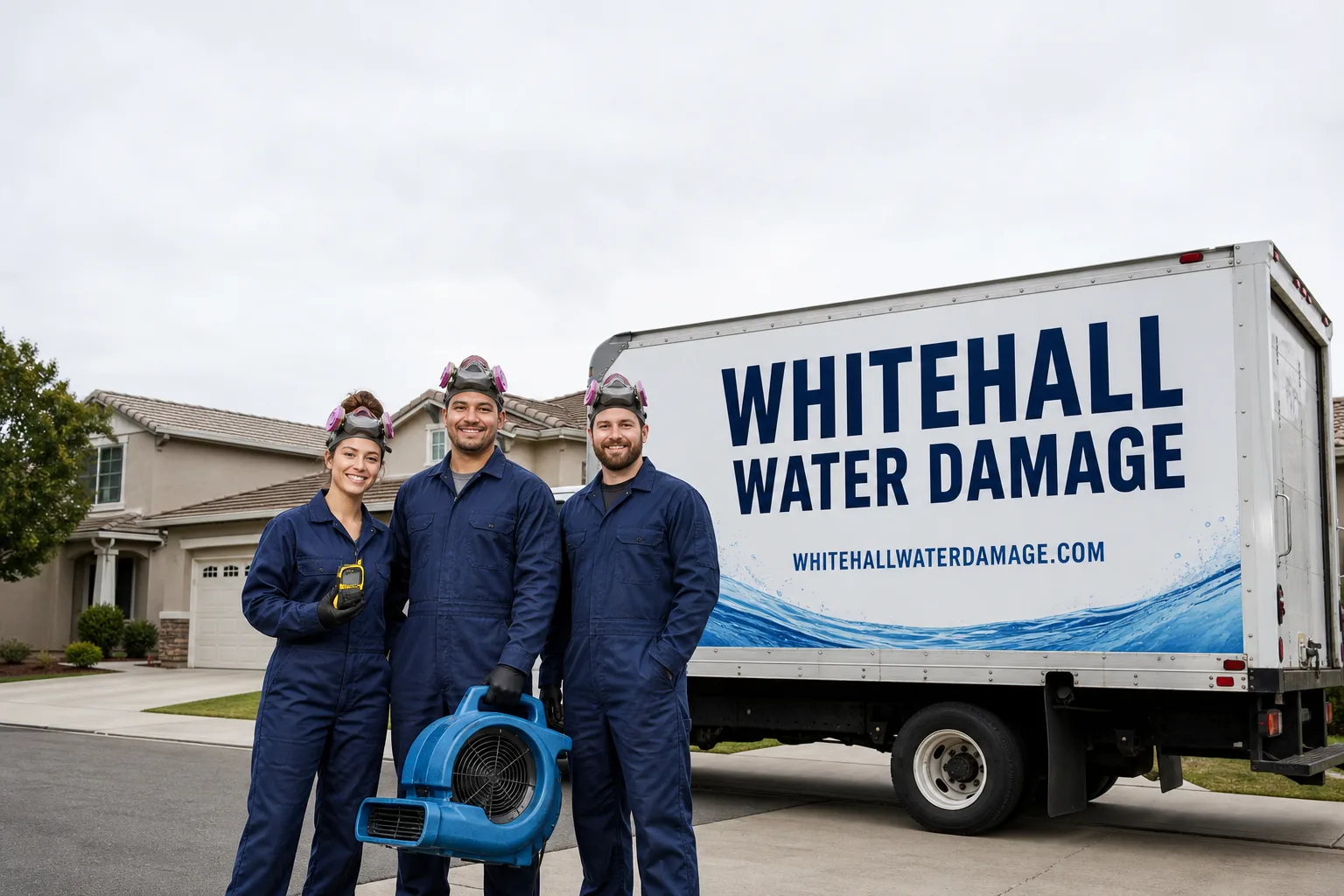
Homeowners and property managers in Lakeland Village call us when they want remediation done to a documented standard. Our technicians work to IICRC S520, the published industry guideline for professional mold remediation, and we hold credentials through IICRC, RIA, and IFA. That multi-association accountability matters when you’re dealing with an insurance adjuster or a vacant rental property where the owner lives in Arizona for half the year.
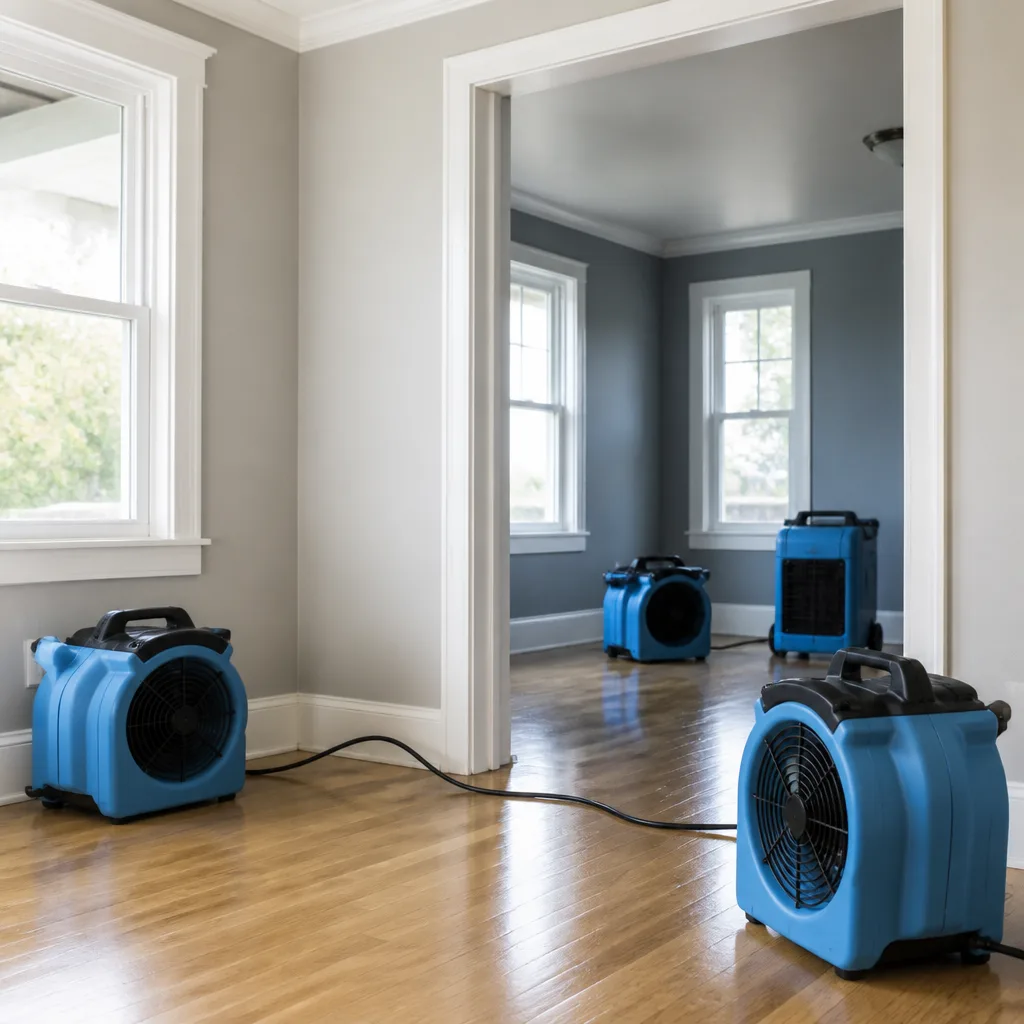
We carry professional-grade equipment from Dri-Eaz, Phoenix, XPOWER, B-Air, and Injectidry on every applicable job. That’s not a resume line. It means when we set up negative air pressure and HEPA filtration in a tight manufactured home, we can hold containment without cutting corners on air changes per hour.
Our response time to Lakeland Village is direct from our Murrieta base, and we routinely handle jobs where the owner can’t be on site. That’s normal here. We document every stage with photo evidence and moisture readings, send updates by phone, and coordinate access with property managers or trusted neighbors when needed. Nolan Beckett, our team lead, sets the protocol on every Lakeland Village job, and he’s dealt with enough lake-cottage cast-iron failures to know what the first hour of containment should look like.
Restoration work we handle
Mold Removal Contractor in Lakeland Village
A Mold Removal Contractor in Lakeland Village is the professional you need when visible mold growth covers more than about 10 square feet, when the mold is fed by a hidden water source, or when a home has been vacant long enough that the growth has moved into wall cavities. In this part of Riverside County, that third situation is more common than most people realize. Lake cottages shut up from October through April bake in the dry heat, then get hit with winter rains that find their way through aging roof penetrations. By the time the owners return in May, the mold has had months of undisturbed growth.
Typical mold removal in Lakeland Village runs $1,800 to $4,200 for a contained single-room job like a bathroom or laundry area. Larger crawl space or multi-room remediations run $4,500 to $6,500. The work includes containment setup, HEPA air scrubbing, removal of compromised materials, antimicrobial treatment, and drying to verified moisture levels.
Containment and Air Scrubbers
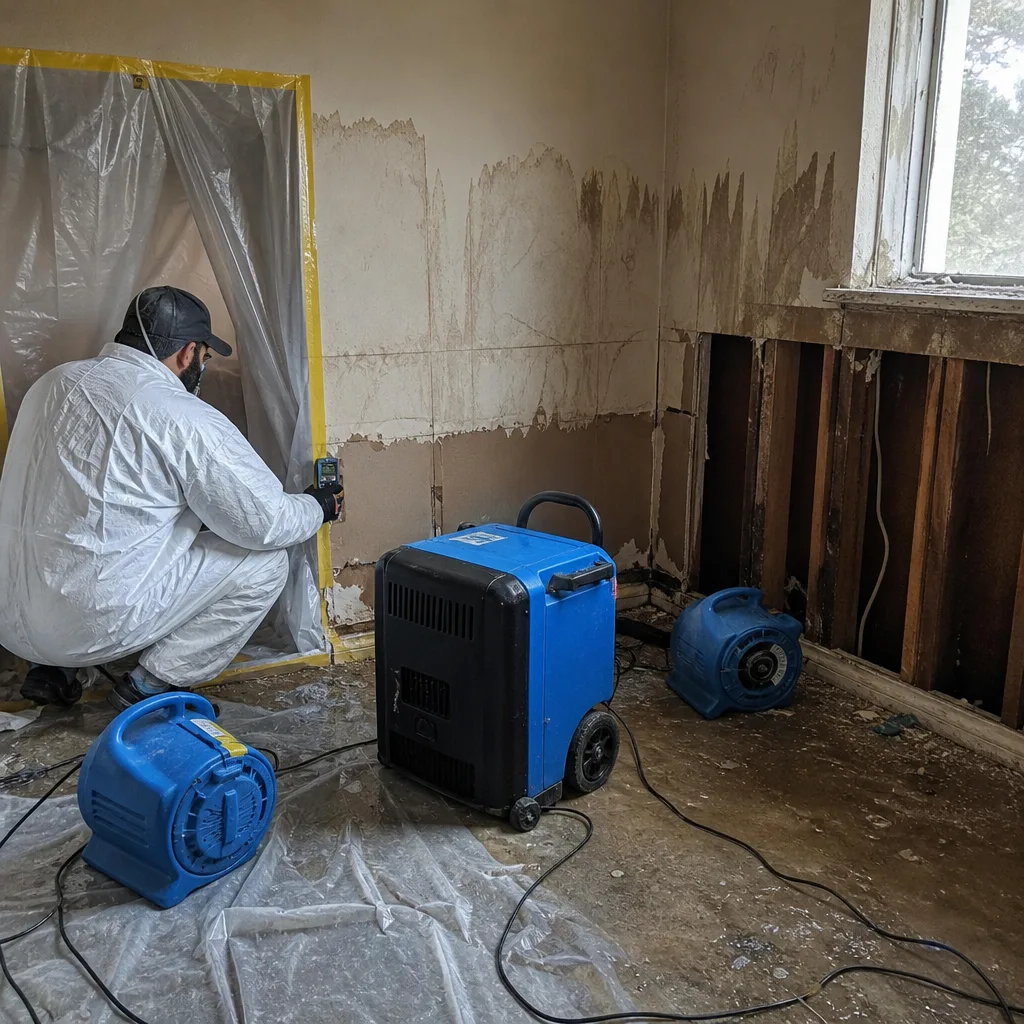
We set up negative air pressure before any contaminated material gets disturbed. That means sealing off the affected room with 6-mil polyethylene, running HEPA-filtered air scrubbers, and creating a pressure gradient so spores don’t migrate into the rest of the house. In manufactured homes with shared ductwork, this step is non-negotiable. Skipping it spreads mold through the HVAC system and turns a bathroom problem into a whole-home problem by the following week.
Material Removal and Drying Verification
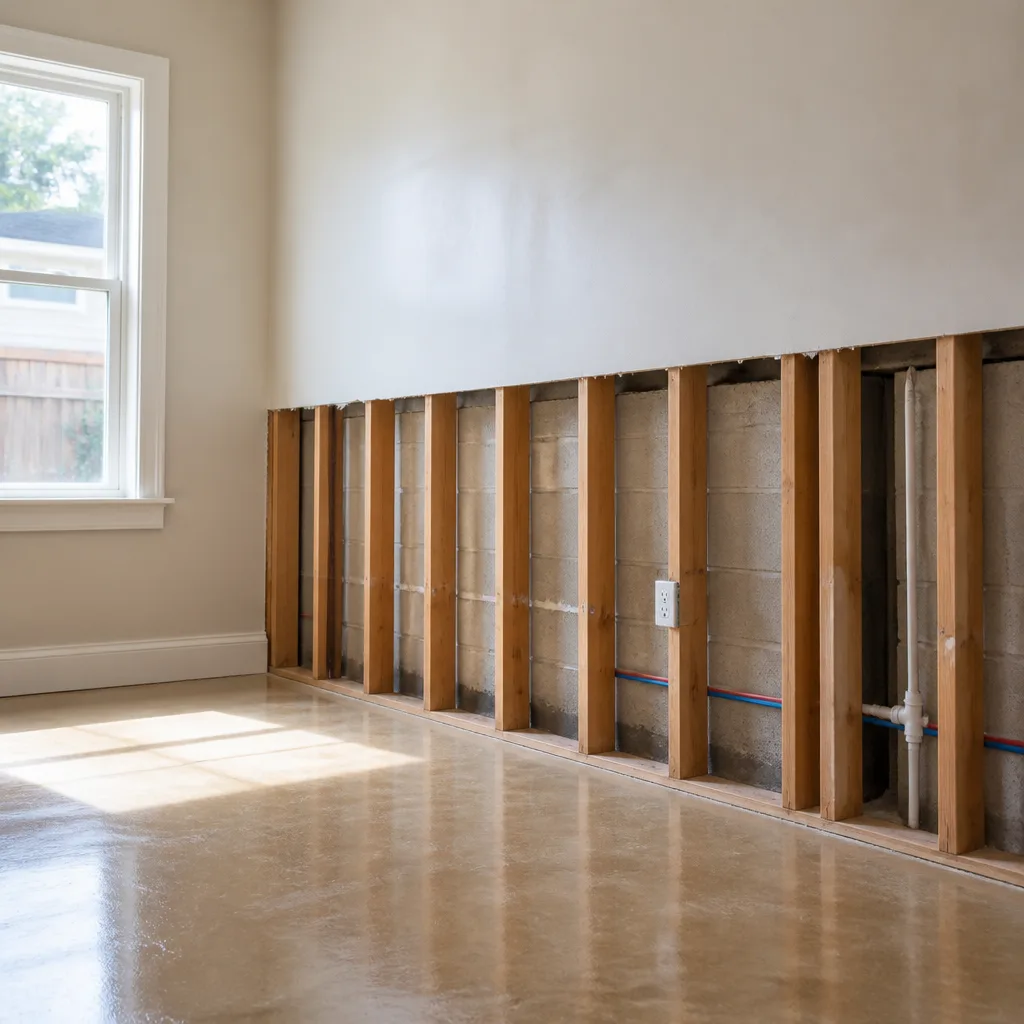
Drywall with visible mold gets removed, not painted over. After removal, we run commercial dehumidification and Injectidry panels where wall cavities or subfloors show elevated moisture. Moisture meters document the readings daily. We don’t walk away from a job until the framing reads dry and the air sampling, when requested, shows clearance.
Bathroom Mold Removal in Lakeland Village
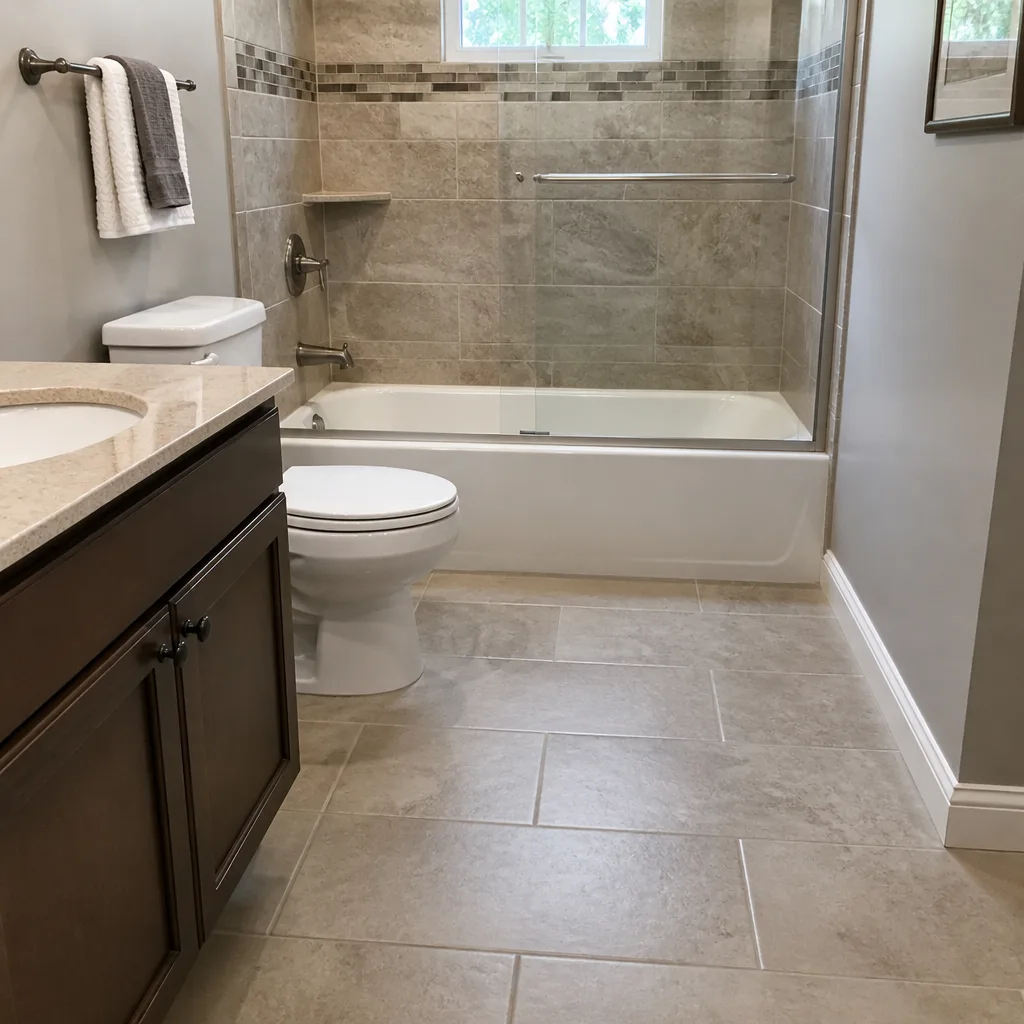
Bathroom Mold Removal in Lakeland Village almost always traces back to one of three sources: a pinhole leak in cast-iron supply or drain lines inside the wall, failed grout and caulk letting water into the drywall, or an under-vented bathroom that traps humidity against the ceiling. The older lake cottages built between 1960 and 1980 often have all three working together, and the mold you see on the ceiling is frequently just the visible edge of a larger colony behind the drywall.
A bathroom mold removal job in Lakeland Village typically runs $1,800 to $3,500, depending on whether we’re opening the wall cavity to access plumbing or just treating surface growth. When the cast-iron line behind the wall has failed, the plumbing repair is handled as part of the scope, and that pushes costs toward the upper end.
Moisture Mapping Before Demolition
We run moisture meters across the walls, vanity, and flooring before we cut anything. In a 1970s cottage near the shoreline, we traced a bathroom ceiling mold colony to a pinhole leak in the original cast-iron drain line behind the wall. The owner returned from a winter vacancy to find the musty smell, but the ceiling discoloration looked small. Moisture mapping showed the framing was wet two feet beyond the visible stain.
In-Place Drying with Injectidry
Once the compromised drywall is removed, we run Injectidry panels into the wall cavity to pull moisture from the framing without tearing out tile or cabinetry that’s still sound. That’s the difference between a targeted bathroom remediation and a full gut-and-rebuild. We protect the structure and reduce demolition wherever the moisture readings say the framing is salvageable.
Trusted Brands We Service in Lakeland Village
We don’t tie ourselves to one equipment line. On Lakeland Village jobs, you’ll see Injectidry systems for in-place cavity drying, B-Air HEPA air scrubbers for containment, and Dri-Eaz Phoenix dehumidifiers for structural drying after flood or plumbing events. We stock replacement filters, panels, and hoses for these units at our Murrieta shop, so we’re not waiting on a parts order when a Lakeland Village job moves into the drying phase. The right tool for residential mold in a tight manufactured home is not the same equipment as a commercial flood loss, and we carry both because the lakefront and tract-house jobs here run the full range.
Common Mold Remediation Problems We See in Lakeland Village Homes
- Concealed growth behind cast-iron plumbing: The 1960s – 80s lake cottages around Lakeland Village still have original cast-iron supply and drain lines in many cases. These pipes corrode from the inside out, and a slow pinhole leak can feed mold behind a wall for months with no visible water damage on the surface.
- Vacancy-related mold in seasonal homes: When a cottage sits vacant from fall through spring, a small roof leak or plumbing drip has nobody around to notice it. The dry Riverside County air hides moisture inside wall cavities, and the mold grows undisturbed until someone opens the door in May.
- Cross-contamination through manufactured home HVAC: Manufactured homes have tight, interconnected duct runs. If mold starts in one bathroom or water heater closet, the blower spreads spores into every room. Proper containment with negative air and sealed returns is mandatory before any demolition starts.
- Lake-effect humidity in lakefront units: Homes close to Lake Elsinore carry higher ambient humidity than properties up on the hillside, especially in summer. After a Category 2 water event, that lingering humidity means structural cavities dry slower, and under-drying shows up as regrowth within weeks.
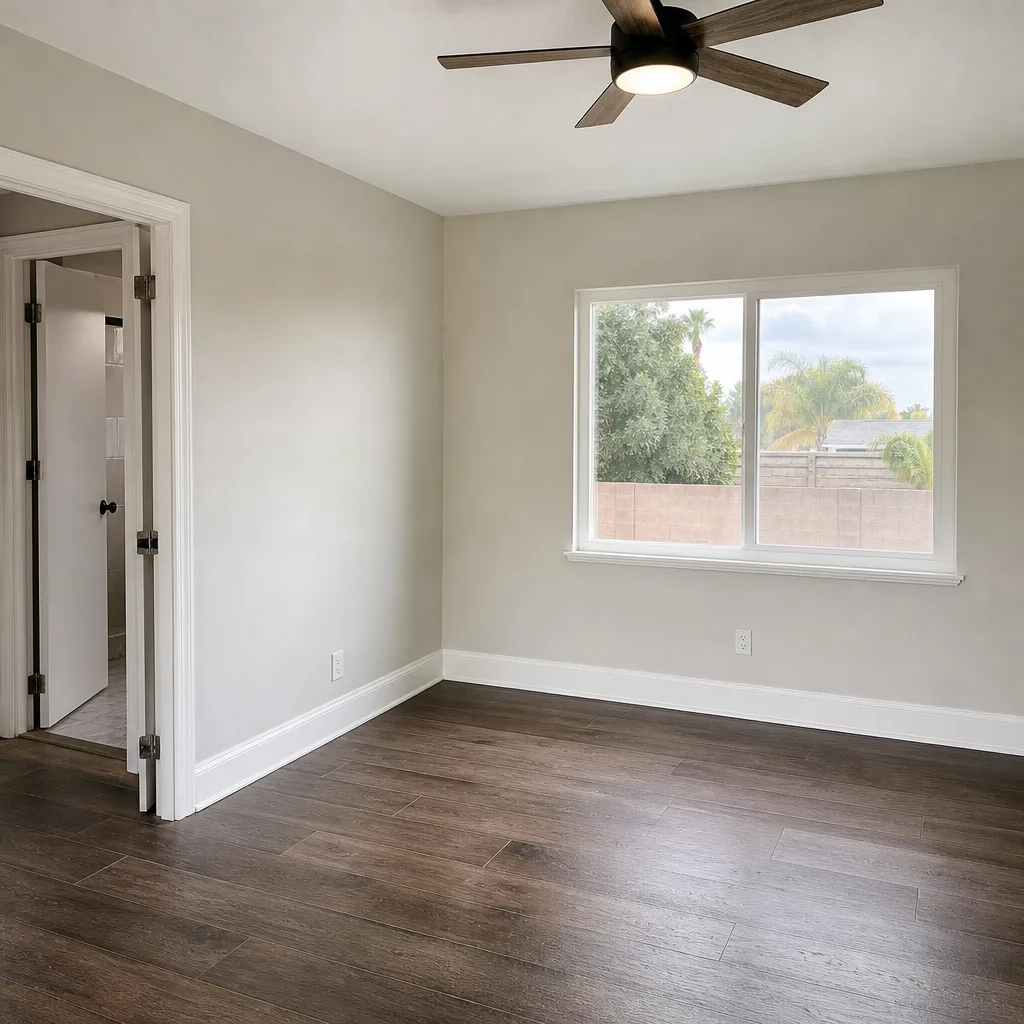
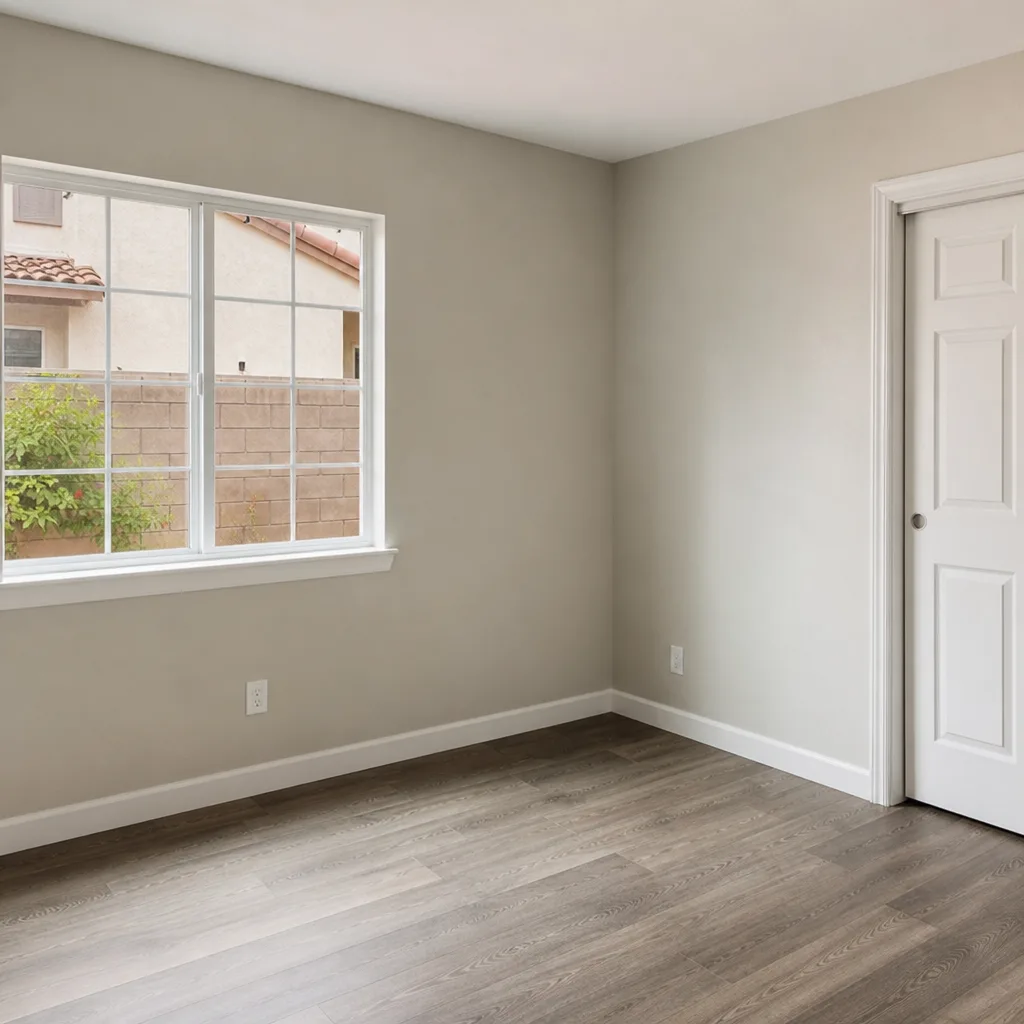
See the difference
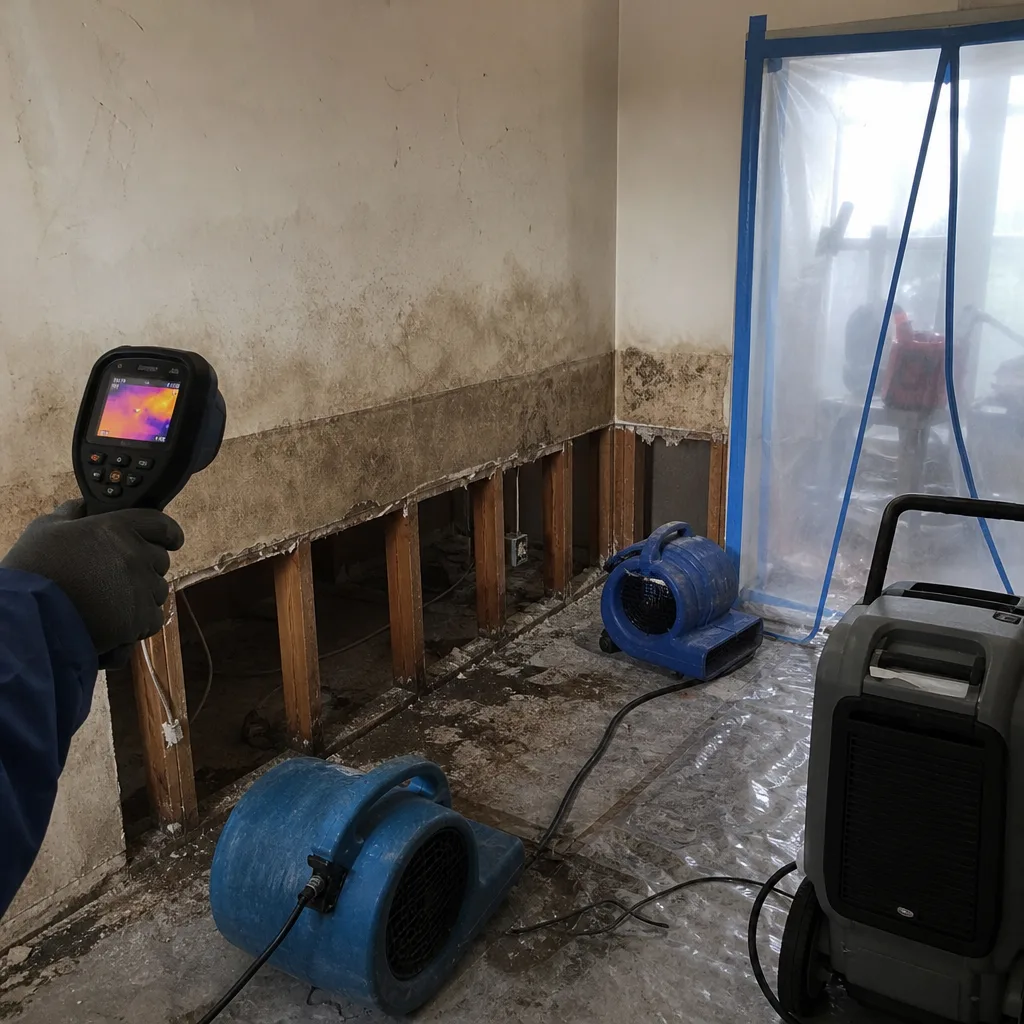 Before
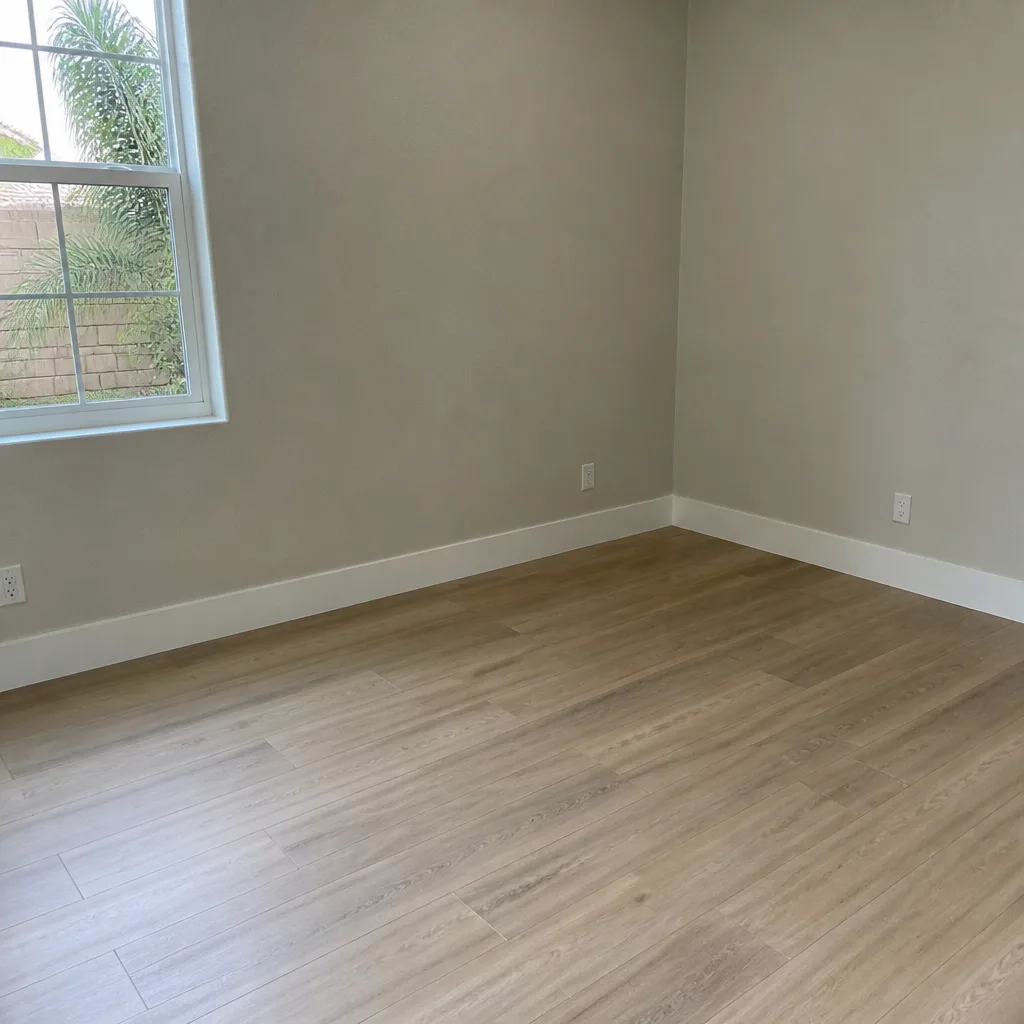 After
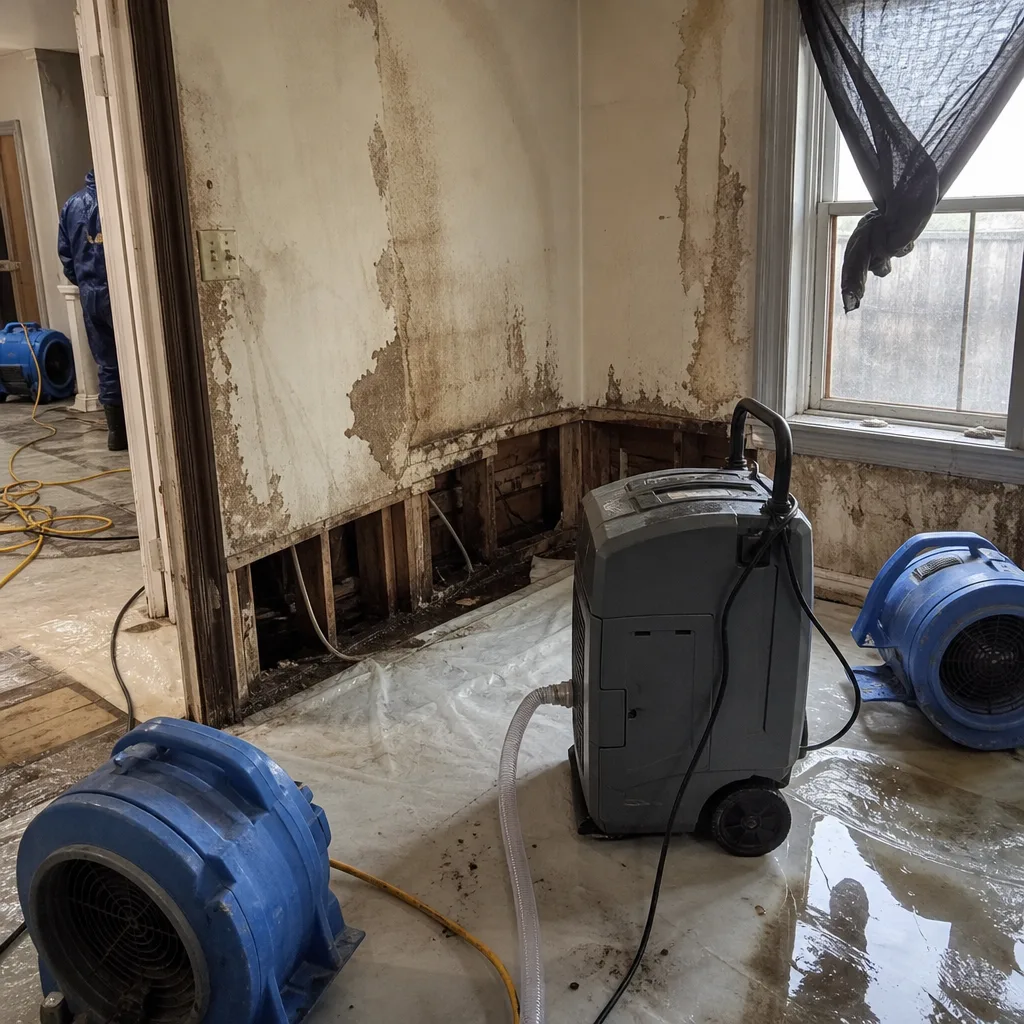 Before
 After
 Before
 After
Pricing for Mold Remediation in Lakeland Village, CA
We Also Serve Cities Near Lakeland Village
Our crew covers Mold Remediation in Lakeland Village and the surrounding Riverside County communities. If you’re in Sedco Hills, Canyon Lake, Meadowbrook, or Wildomar and dealing with mold after a water event, the same certified team handles the job. Mold Remediation work in these areas follows the same IICRC S520 standard and gets the same commercial equipment.
Serving Lakeland Village, CA — Our Local Coverage Area
We’re based in the Lakeland Village area and know this community well. Use the map below to see our service coverage — if you’re nearby, we can almost certainly help.
FAQs About Mold Remediation in Lakeland Village
How quickly can mold grow in a vacant Lakeland Village lake cottage?
Mold can colonize within 24 to 48 hours of water intrusion, and in a vacant lake cottage the growth continues unchecked. A pinhole leak in cast-iron plumbing behind a bathroom wall can produce visible mold on the ceiling within 2 to 3 weeks during warm weather, and by the time an owner returns after a seasonal vacancy the colony is often established across several square feet of drywall. Call (844) 643-8708 as soon as you notice a musty smell or discoloration, even if it looks minor.
What’s the difference between Category 1, 2, and 3 water when mold is involved?
Category 1 is clean water from a supply line or faucet. Category 2 is contaminated water from appliances, sump failures, or drain backups. Category 3 is grossly contaminated water from sewage, lake overflow, or storm surge. Mold can grow from any category if materials stay wet beyond 48 hours, but Category 2 and 3 events carry additional microbial risks that require more aggressive antimicrobial treatment and disposal of porous materials. In Lakeland Village, lake-effect humidity makes dry-out after Category 2 events especially critical.
Do manufactured homes in Lakeland Village need special mold remediation methods?
Yes. Manufactured homes have tighter floor plans and interconnected ductwork, which means spore containment has to be set up before demolition starts or the HVAC system carries contamination throughout the home. The building materials are also thinner, so moisture moves into wall cavities and subfloors faster than in stick-built houses. We adjust the air scrubber count and use Injectidry systems for cavity drying specifically because standard drying times don’t apply in tightly built manufactured homes near the lake.
Can you coordinate mold remediation with an absentee owner in Lakeland Village?
Yes, we do it regularly. Lakeland Village has a seasonal population, and many owners live out of state during part of the year. We coordinate access through property managers or neighbors, send photo documentation and moisture readings by phone or email, and get written approval on the scope before proceeding. Our containment and drying equipment runs on documented settings, so the owner sees exactly what was done and what the moisture readings were when we left.
Why is mold remediation in Lakeland Village different from nearby cities?
The combination of 1960s – 80s housing stock with original cast-iron plumbing, seasonal vacancies that hide leaks for months, and lakefront humidity makes mold here more likely to be concealed and more likely to have spread before detection. A bathroom stain in a tract house in Wildomar is usually from HVAC condensation or failed caulk. The same stain in a Lakeland Village lake cottage is often the visible edge of a plumbing-fed colony inside the wall cavity. We approach every job here with that assumption until moisture mapping proves otherwise.
Contact Whitehall Water Damage for Mold Remediation in Lakeland Village
If you’ve found mold in your Lakeland Village home, or if you’ve returned to a musty smell after a vacancy, call (844) 643-8708. We’ll schedule an inspection, document the scope, and give you a written estimate with line-item pricing before work starts. Our IICRC-certified technicians follow the S520 standard on every job, and we bring the equipment to hold containment and dry the structure properly, whether you’re in a 1960s cottage on the shoreline or a manufactured home off Grand Avenue. Call today, and we’ll get someone out to Lakeland Village to start moisture mapping.
Written by Nolan Beckett, Owner at Whitehall Water Damage, serving Lakeland Village and the surrounding Riverside County area.