
 Water damage drying
 Fire & smoke cleanup
 Mold remediation
 Storm response
 Sewage cleanup
 Reconstruction
Free visual inspection and a written scope of work before any mitigation begins - photos, moisture readings, and drying logs go in your claim file
The scope we write is the scope we bill. Anything new gets shown to you, in writing, before we touch it.
Get your free estimateFast, Reliable Water Damage Restoration Across Portola Hills
Water damage restoration in Portola Hills typically runs $2,500 – $6,800 for a standard Category 2 or 3 water loss in a single-family home. A flooded basement extraction alone usually lands between $1,400 and $3,200. Most jobs here involve supply line failures, water heater ruptures, or rain-driven intrusion through aging stucco, and we’re usually on site within 60 – 90 minutes for Portola Hills calls. Call (844) 643-8708 for an immediate assessment.
Portola Hills is a hillside community in the Santa Ana Mountains foothills, and homes here were largely built in the 1980s and 1990s. That means original copper and PEX plumbing, aging water heater pans, and stucco exteriors that have seen three decades of sun and Santa Ana wind. When a supply line goes in a Portola Hills Estates townhome, water doesn’t just wet the floor. It travels through wall cavities, saturates drywall, and pools under engineered hardwood before you ever see staining. That’s why our Water Damage Restoration crews use moisture mapping and thermal imaging on every loss, not just mops and fans. We know the tract layouts, the HOA rules, and the plumbing failure patterns in the 92610 zip code. If you’re standing in water right now, shut off the main valve and call (844) 643-8708.
Why Whitehall Water Damage Is Portola Hills’s Preferred Water Damage Restoration Company
Most restoration companies treat Portola Hills like just another stop on the 241. We don’t. The communities here, from Portola Hills Estates to the townhome tracts off Saddleback Ranch Road, have architectural review boards that dictate what materials and colors go back on a home after a water loss. We document pre-existing conditions before we place a single air mover, because we know the ARB will ask for photos. That’s the difference between a repair that gets approved and one that gets flagged for rework.
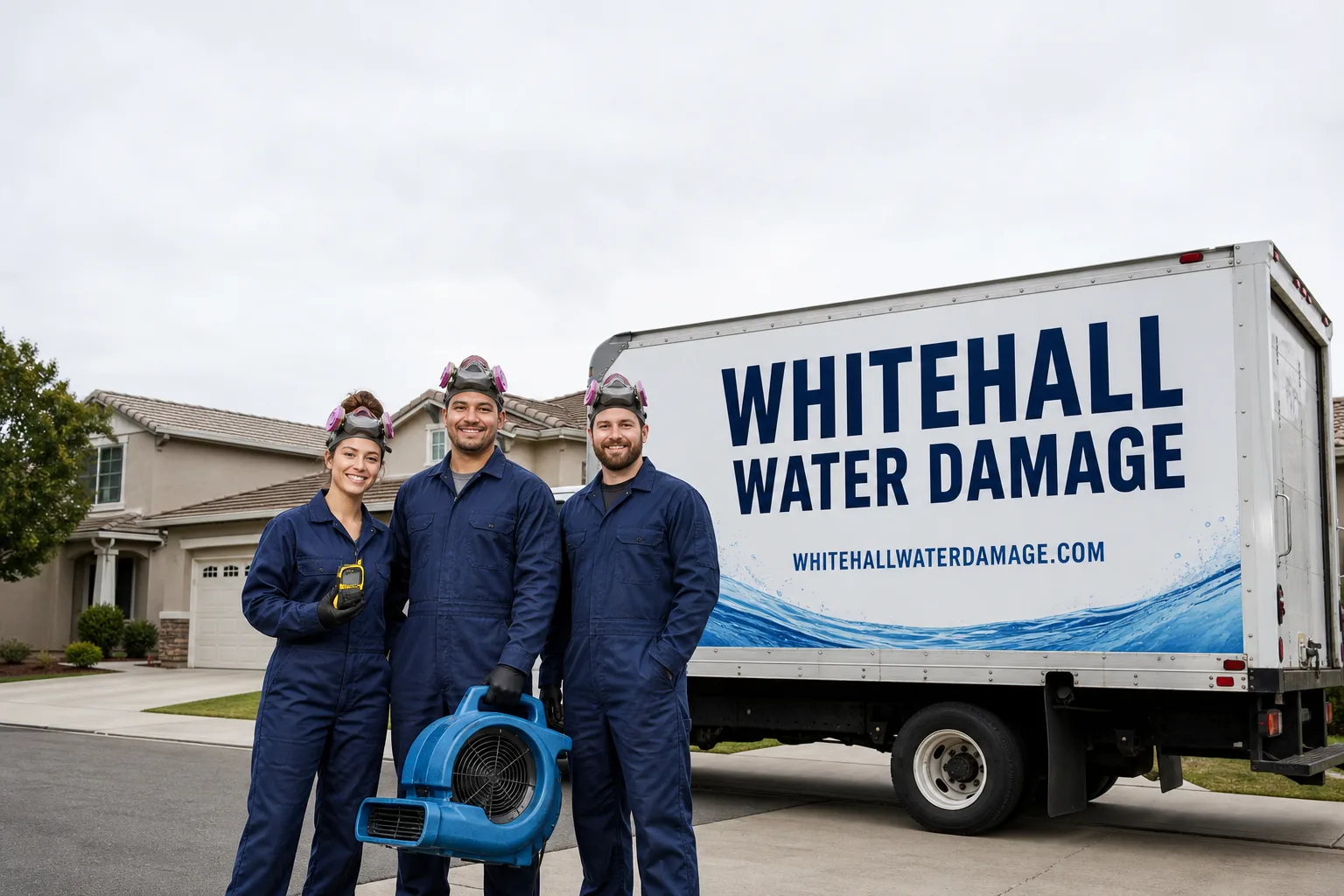
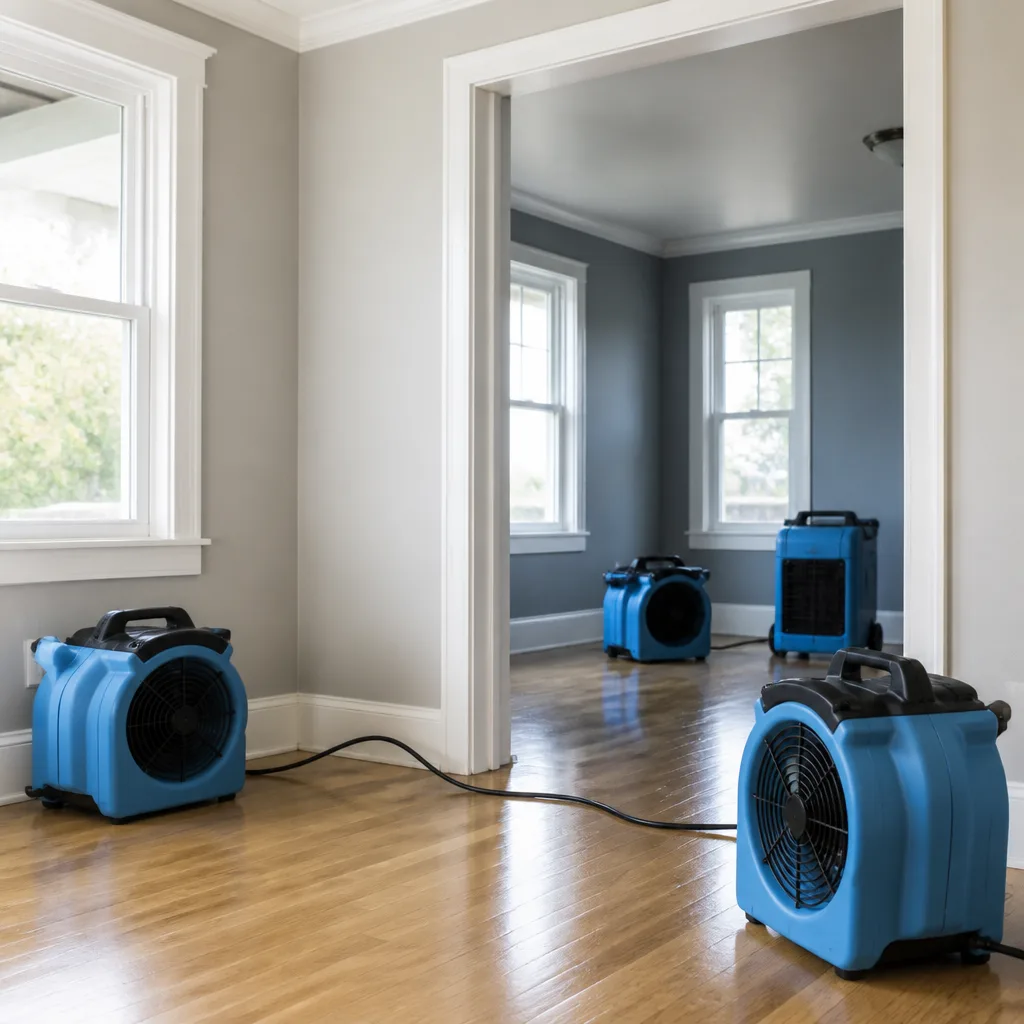
Our technicians hold IICRC certifications and perform work to the published S500 standard for water damage restoration. We’re also members of the Restoration Industry Association (RIA), which means our drying protocols get reviewed against industry benchmarks, not just our own habits. On every Portola Hills job we deploy commercial-grade equipment from Dri-Eaz, Phoenix, and Injectidry. You won’t see box-store fans and a rented dehumidifier. You’ll see documented moisture readings, a written drying plan, and equipment sized to the actual cubic footage of the affected space.
Our response time to Portola Hills from our Murrieta base is typically 60 – 90 minutes. That matters when water is migrating through a shared wall into a neighbor’s unit or soaking the subfloor under your kitchen. We arrive with extraction pumps, containment materials, and the documentation equipment HOA boards expect. No subcontractor handoffs. The same credentialed team handles extraction, drying, and the repair scope.
Restoration work we handle
Flooded Basement in Portola Hills
A Flooded Basement in Portola Hills usually traces back to one of three sources: a failed water heater, a broken supply line, or stormwater pushing in from a hillside after heavy winter rain. Homes on slopes below open space, particularly near the ridgelines off Glenn Ranch Road, face a real risk of mud and ash-laden water entering lower-level rooms once a burn scar forms uphill. The fix starts with extraction, then containment, then structural drying of every wet material that can be saved. A typical Portola Hills basement extraction and drying job runs $1,400 – $3,200, with the higher end including sheetrock removal and anti-microbial treatment.
Water Heater and Supply Line Failures
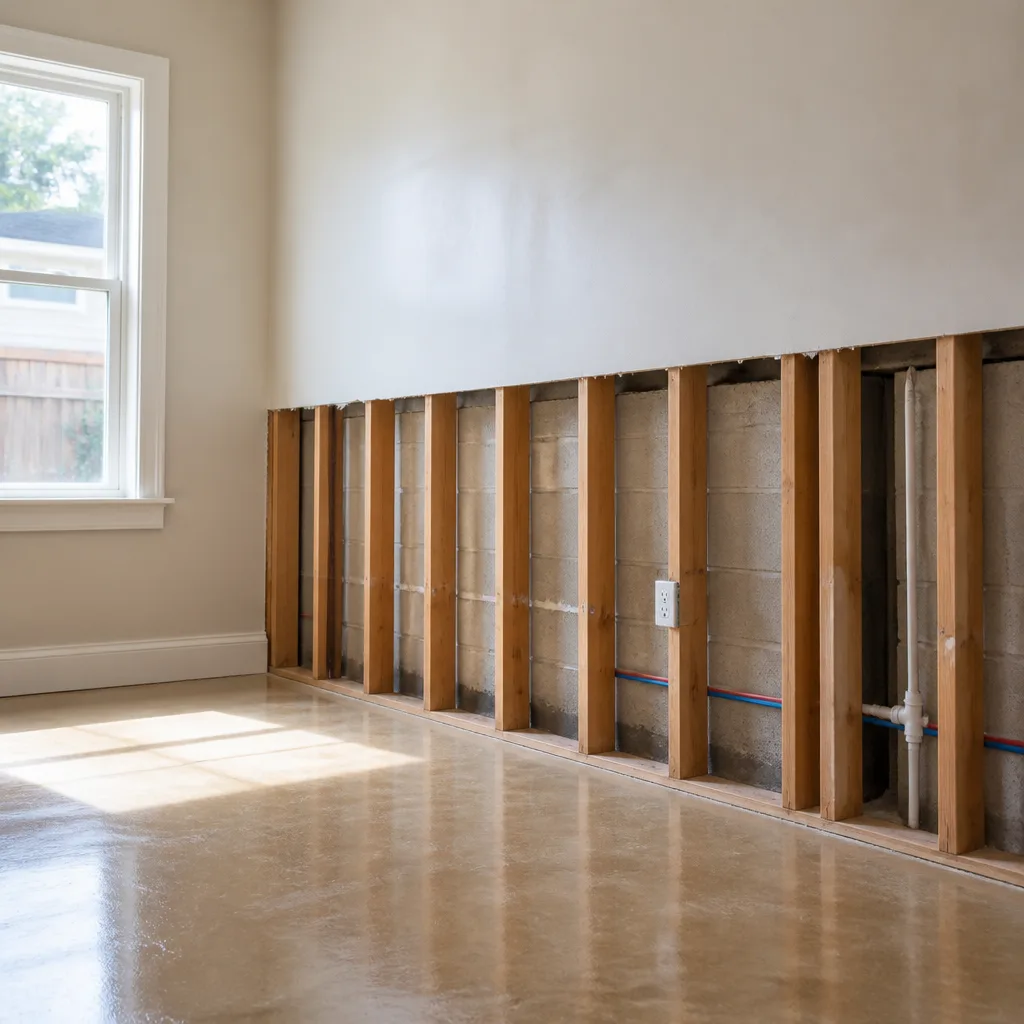
Original water heaters in 1980s and 1990s Portola Hills homes are at end of life. When the tank ruptures, it can dump 40 – 50 gallons into a finished basement or ground-floor room in minutes. The water follows the slab, soaks baseboards, and wicks up drywall. Our crews extract, map the moisture, and cut only what cannot be dried, which often means less demolition than a generalist would do.
Hillside Stormwater Intrusion
After the Canyon Fire 2 burn scar formed on the slopes above Portola Hills, winter rains started carrying ash and debris into lower-level rooms and garages. This isn’t clean rainwater. It’s Category 3 water, meaning it carries silt, ash, and bacteria. We treat these floods as contaminated-water events: full containment, anti-microbial application, and drying to the S500 standard before any rebuilding starts.
Water Extraction in Portola Hills
Water Extraction in Portola Hills is the first and most time-sensitive step in any water loss. The goal is to remove standing water and pull moisture from saturated materials before mold gets a window, which in our climate can be as short as 48 – 72 hours during warm months. Most single-room extractions in Portola Hills run $900 – $2,400, depending on the amount of water, the flooring type, and whether the water has traveled into wall cavities or the subfloor. Our crews arrive with truck-mounted and portable extraction units and start pulling water within the first 30 minutes on site.
Subfloor and Cavity Extraction
In the townhomes off Saddleback Ranch Road, water from a second-floor supply line failure often travels down through floor joists and into the ceiling of the unit below. That water cannot be extracted with a surface wand alone. We use Injectidry systems to apply negative pressure directly inside wall cavities and under engineered hardwood, pulling water out without ripping everything apart. This in-place drying protects the structure and keeps the HOA repair scope smaller.
Documentation Before Extraction
Before we place equipment, we photograph everything: the affected baseboards, the door casings, the stucco texture, the exact stain on the trim. Portola Hills HOAs, especially in the Estates, require pre-loss documentation for architectural review of any exterior or shared-element repair. That photo file becomes part of your claim and your ARB submission. It also protects you if a neighbor’s insurance questions whether the damage pre-existed.
Trusted Brands We Service in Portola Hills
Our extraction and drying fleet includes Injectidry systems for cavity and subfloor drying, B-Air air movers and dehumidifiers for standard structural drying, and Dri-Eaz and Phoenix equipment for larger-scale or commercial-grade losses. We don’t rent equipment per job, which means we’re not waiting on a rental counter in Mission Viejo to have the right dehumidifier in stock. Our equipment is maintained, calibrated, and ready to deploy to a Portola Hills address the same day you call. For Portola Hills homeowners and property managers, that’s the difference between drying starting tonight versus drying starting Thursday.
See the difference
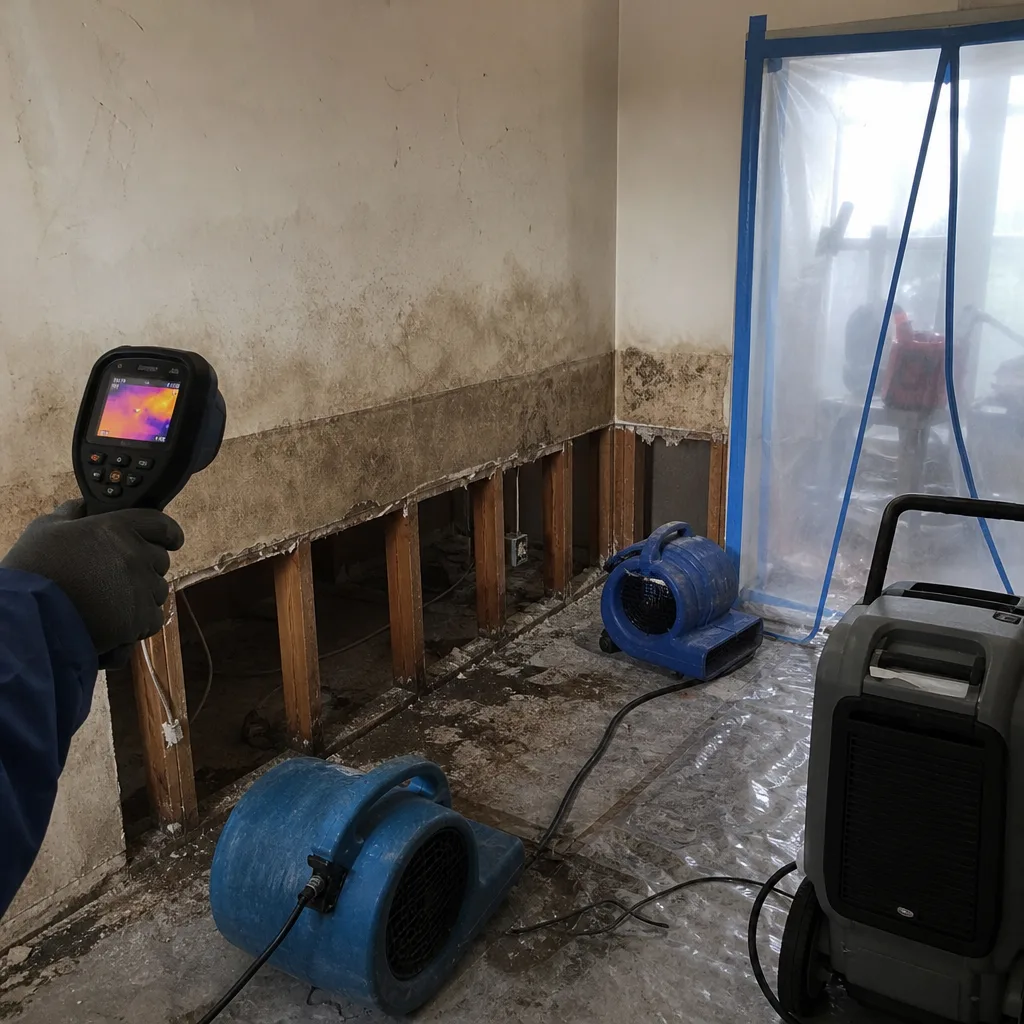 Before
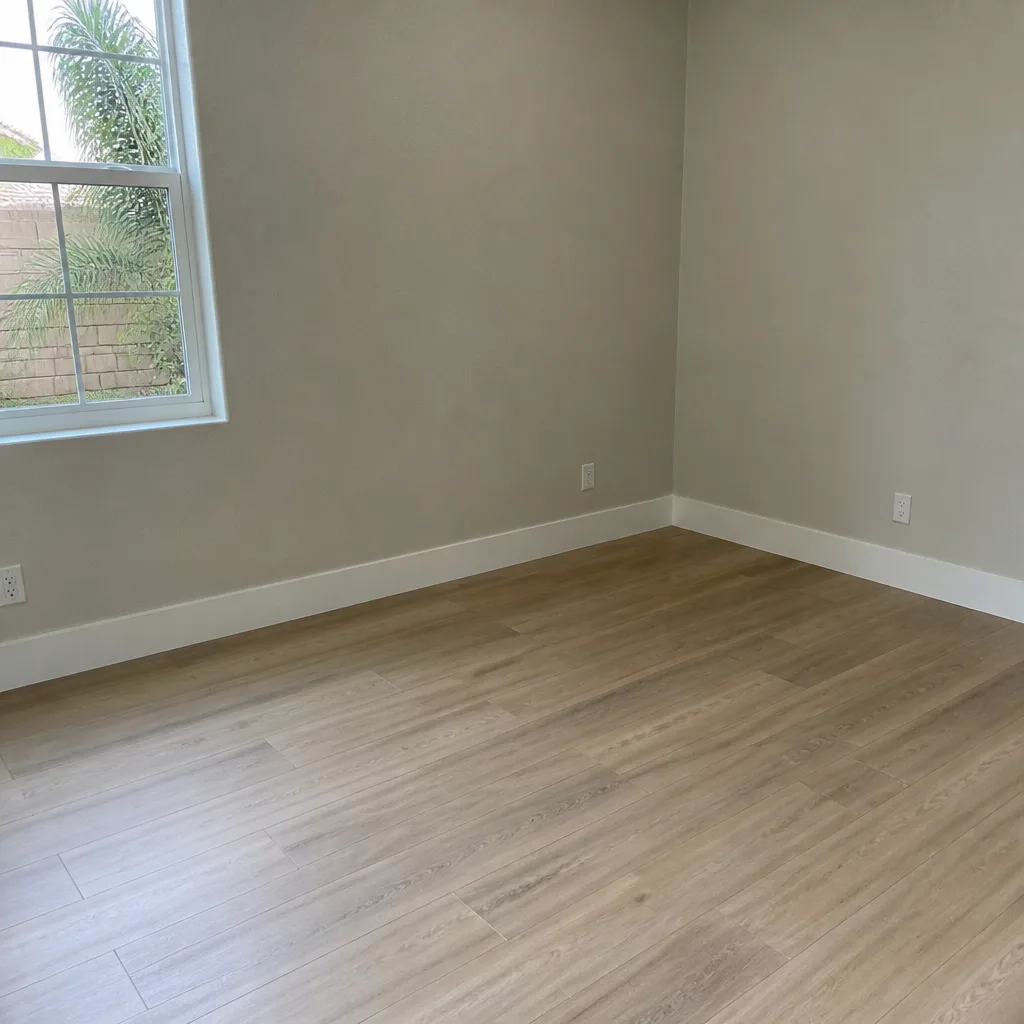 After
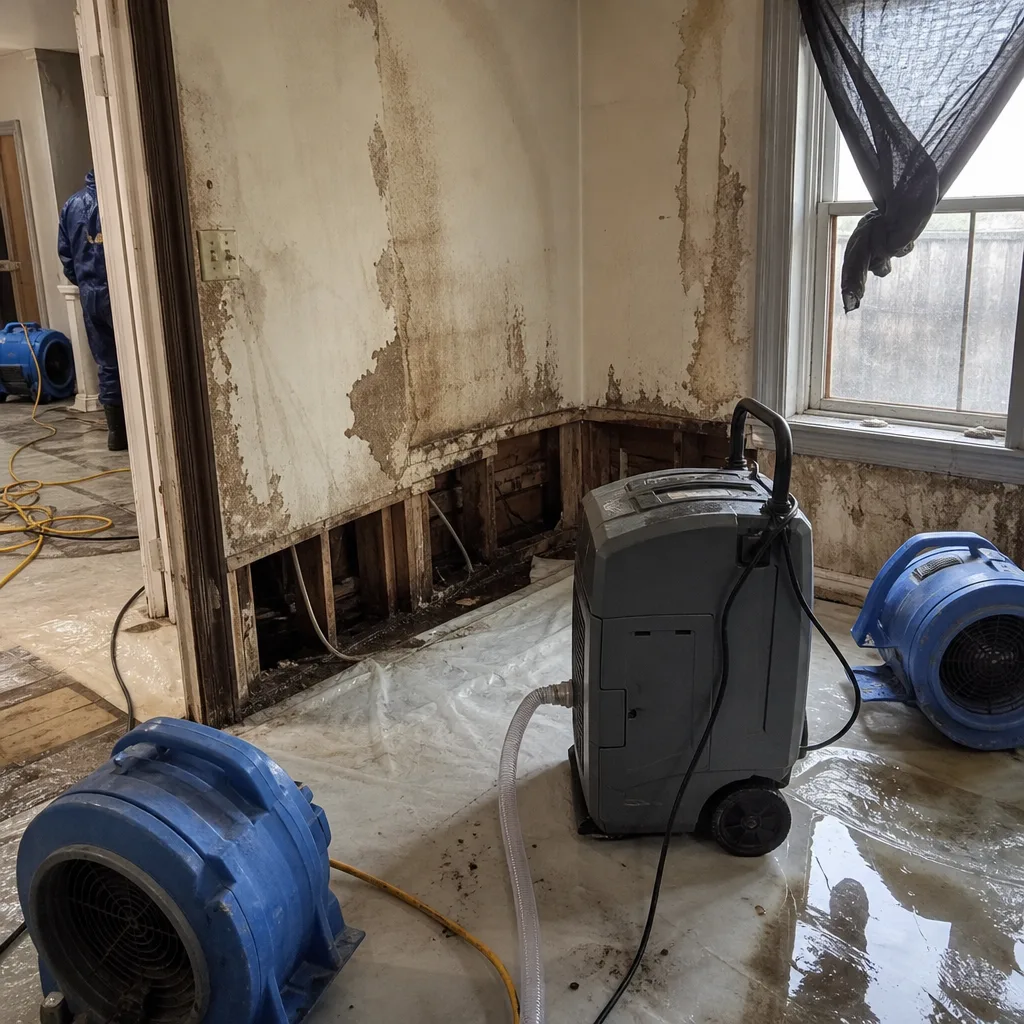 Before
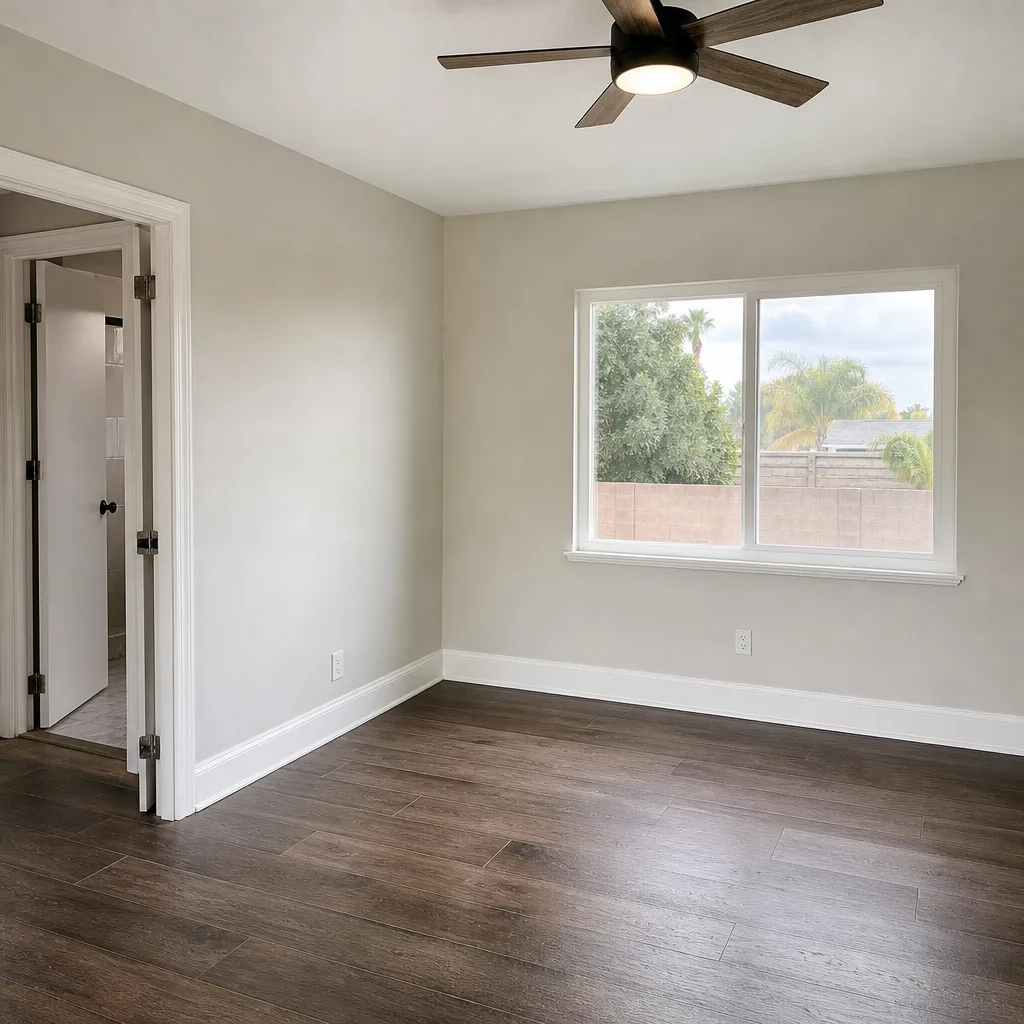 After
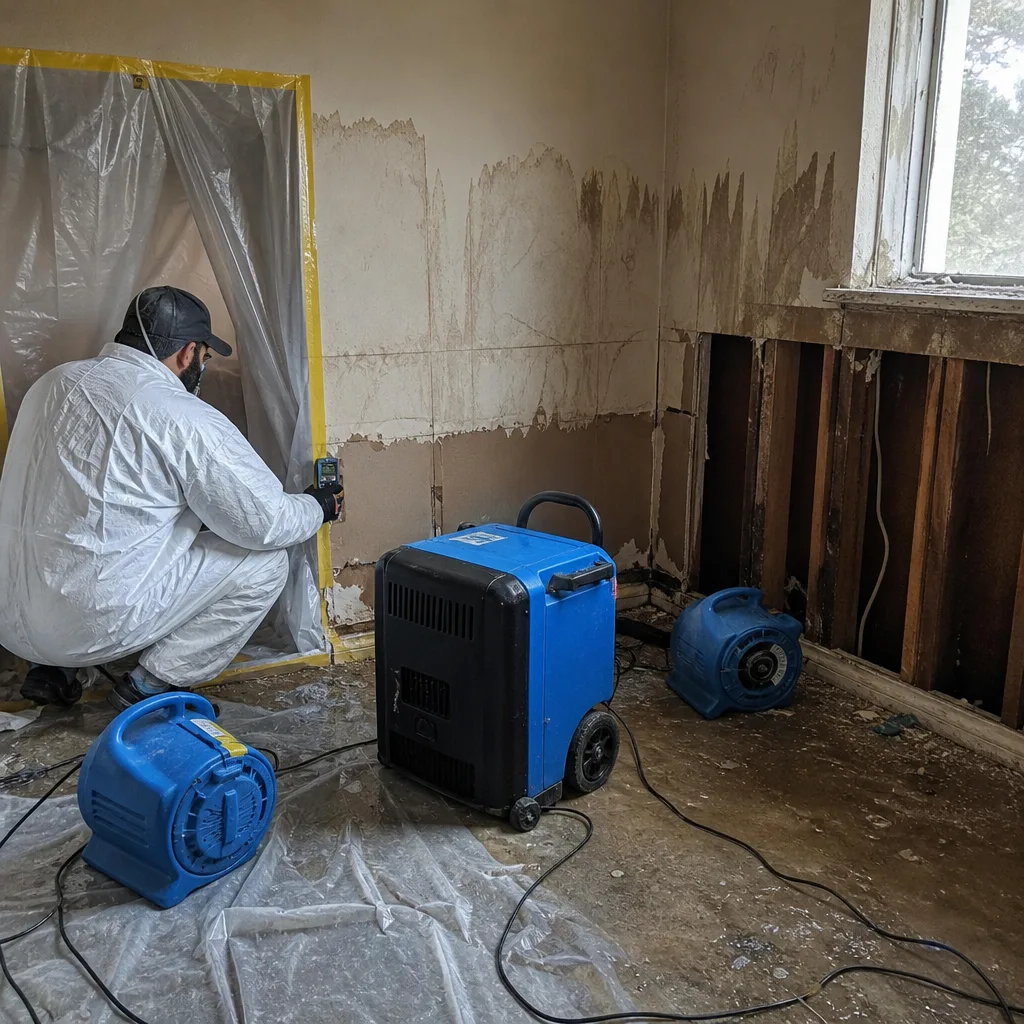 Before
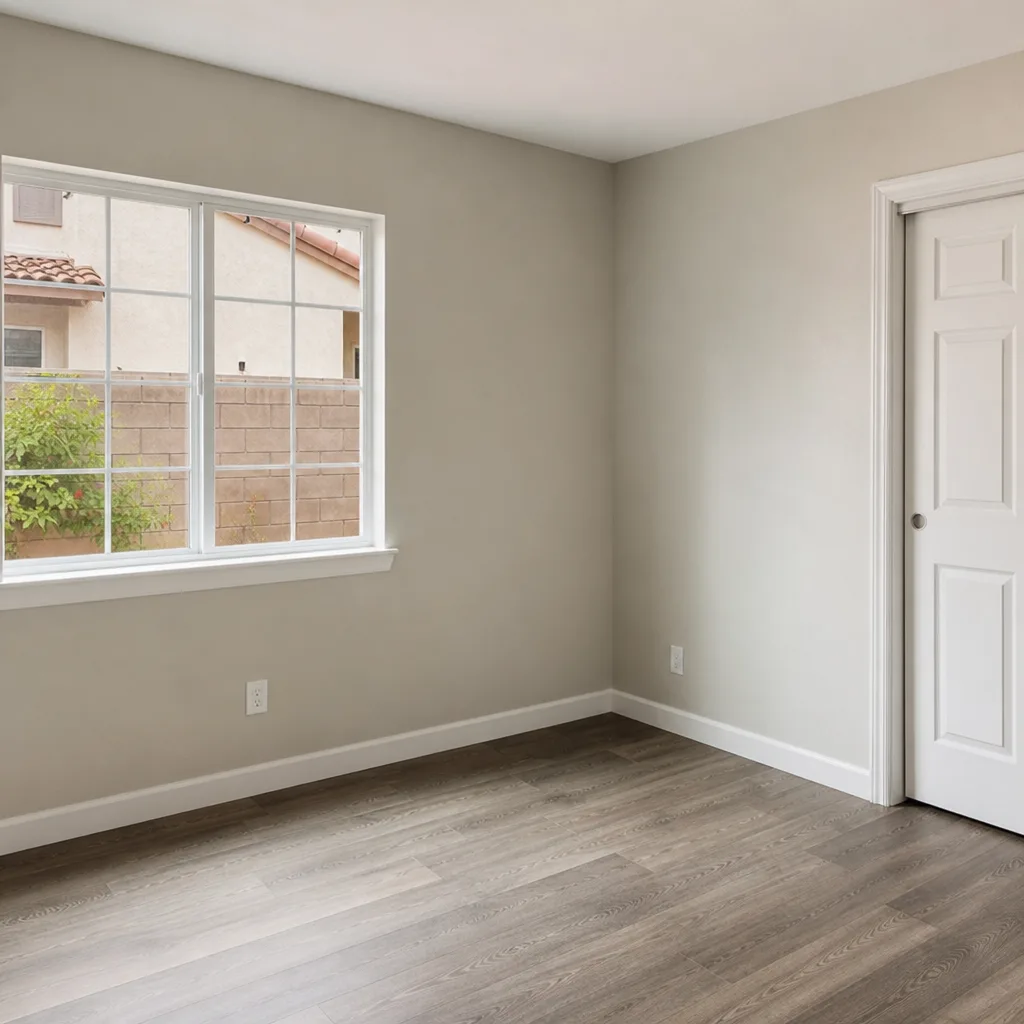 After
Common Water Damage Restoration Problems We See in Portola Hills Homes
- HOA architectural review friction. A homeowner or contractor replaces a water-damaged exterior door with a slightly different style or shade, and the ARB flags it. We document pre-loss finishes and submit compliant repair scopes so the work passes the first time.
- Stucco and concrete tile roof leaks. Original 1980s and 1990s stucco develops hairline cracks at window and door penetrations, and concrete tile underlayment degrades. Rain finds its way in, and by the time you see a ceiling stain, the water has been soaking the roof deck for weeks.
- Post-wildfire ash and mud intrusion. After Canyon Fire 2, Portola Hills homes below burned slopes saw ash-darkened water enter garages, crawlspaces, and lower-level rooms during the first winter rains. This water is contaminated and requires full Category 3 treatment, not just a wet vac.
- Shared-wall drying complications. In Portola Hills townhomes, a supply line failure in one unit can saturate the shared wall and damage the neighbor’s side. We use cavity drying and containment to dry the wall assembly without tearing out drywall on both sides, and we coordinate documentation for both owners’ claims.
Pricing for Water Damage Restoration in Portola Hills, CA
Here are the ranges we typically see in Portola Hills and the surrounding 92610 area:
- Emergency water extraction (single room): $900 – $2,400
- Flooded basement extraction and drying: $1,400 – $3,200
- Full structural drying after a supply line failure: $2,500 – $6,800
- Category 3 (contaminated) water mitigation with containment and anti-microbial treatment: $3,200 – $8,500
- Injectidry cavity drying for shared walls or subfloors: add $600 – $1,800 depending on access and square footage
What moves the number is not the company, it’s the scope: how much drywall is saturated, whether the water reached the subfloor, whether containment is required, and whether the HOA or insurance carrier needs additional documentation. We provide a written scope and drying plan before work starts, and we bill directly to your insurance carrier when a claim is approved. Estimates are free, and the phone call costs you ten minutes.
We Also Serve Cities Near Portola Hills
Our crews regularly work in Mission Viejo, Trabuco Canyon, Rancho Santa Margarita, and Coto De Caza, which means we’re never far from a Water Damage Restoration in Portola Hills call. If you own a townhome in Portola Hills or manage a property nearby, the same IICRC-certified team handles the whole job, from extraction to the final moisture reading.
Serving Portola Hills, CA — Our Local Coverage Area
We’re based in the Portola Hills area and know this community well. Use the map below to see our service coverage — if you’re nearby, we can almost certainly help.
FAQs About Water Damage Restoration in Portola Hills
The Portola Hills HOA architectural review board requires that any exterior or shared-element repair match the original color, style, and material. That means before we remove a single piece of water-damaged trim or drywall, we photograph the pre-loss condition, note the exact stain and profile, and document every finish so your repair application can pass review. If the repair involves a shared wall, the HOA may also require both owners to be notified before intrusive work begins. We handle this documentation as a standard part of every townhome job, and it has saved our clients from violation notices and forced rework more times than we can count. Call (844) 643-8708 to have us walk you through what your specific HOA will require.
If mud and ash-laden water from a post-wildfire debris flow has entered your Portola Hills basement or lower level, treat it as contaminated water and do not attempt to clean it yourself. Shut off power to the affected area, avoid contact with the water, and call us immediately at (844) 643-8708. Mudflow water carries ash, silt, burned debris, and bacteria, and it requires Category 3 mitigation: full containment, professional extraction, anti-microbial treatment, and structural drying to the IICRC S500 standard. The longer that slurry sits against drywall and framing, the deeper it wicks and the more material you lose. We’ve handled post-Canyon Fire 2 mud intrusion in Portola Hills homes, and we know exactly what the insurance adjuster will need documented.
Yes, and we do it as a matter of protocol on every Portola Hills job where an exterior door, garage door, or visible trim gets damaged. We photograph the door, note the manufacturer and finish, and match the style and color before ordering any replacement. If the door is original to a 1980s or 1990s tract home, we’ll find the closest available match and submit it to your HOA for approval before installation. For doors that are no longer manufactured, we work with local millwork shops to reproduce the profile so the replacement complies with your community’s architectural standards. This is not an extra service in Portola Hills. It’s the only way to do the job without getting a violation letter.
Portola Hills townhome communities enforce quiet hours, and loud drying equipment running at 1 a.m. will get you a violation faster than any door color mismatch. We stage our drying plan around your HOA’s quiet hours, we place air movers inside containment chambers to control noise bleed, and we use insulated ducting where available to keep sound levels down. In shared-wall buildings, we coordinate with the adjacent unit’s owner or property manager so the drying schedule is agreed in writing before any equipment runs overnight. If your HOA requires it, we’ll provide a written equipment schedule you can submit to the board. Our goal is to dry the structure fast without making you the neighbor who turned their guest room into a wind tunnel.
We document everything before we move a single piece of equipment: pre-existing conditions, the affected finishes, the moisture readings, the brand and model of equipment placed, and the drying plan with daily readings. This file is organized so you can submit it directly to your HOA’s insurance carrier and their architectural review board. If the damage involves a shared wall or a common area element, we will also document the condition on the neighbor’s side with permission, so both carriers have a clear picture. The documentation is yours to keep, and it has repeatedly helped Portola Hills homeowners get claims approved without delays or disputes about pre-existing damage. Call (844) 643-8708 and we’ll start the file on your job immediately.
Written by Nolan Beckett, Owner at Whitehall Water Damage, serving Portola Hills and the 92610 area.