
Last updated October 30, 2026
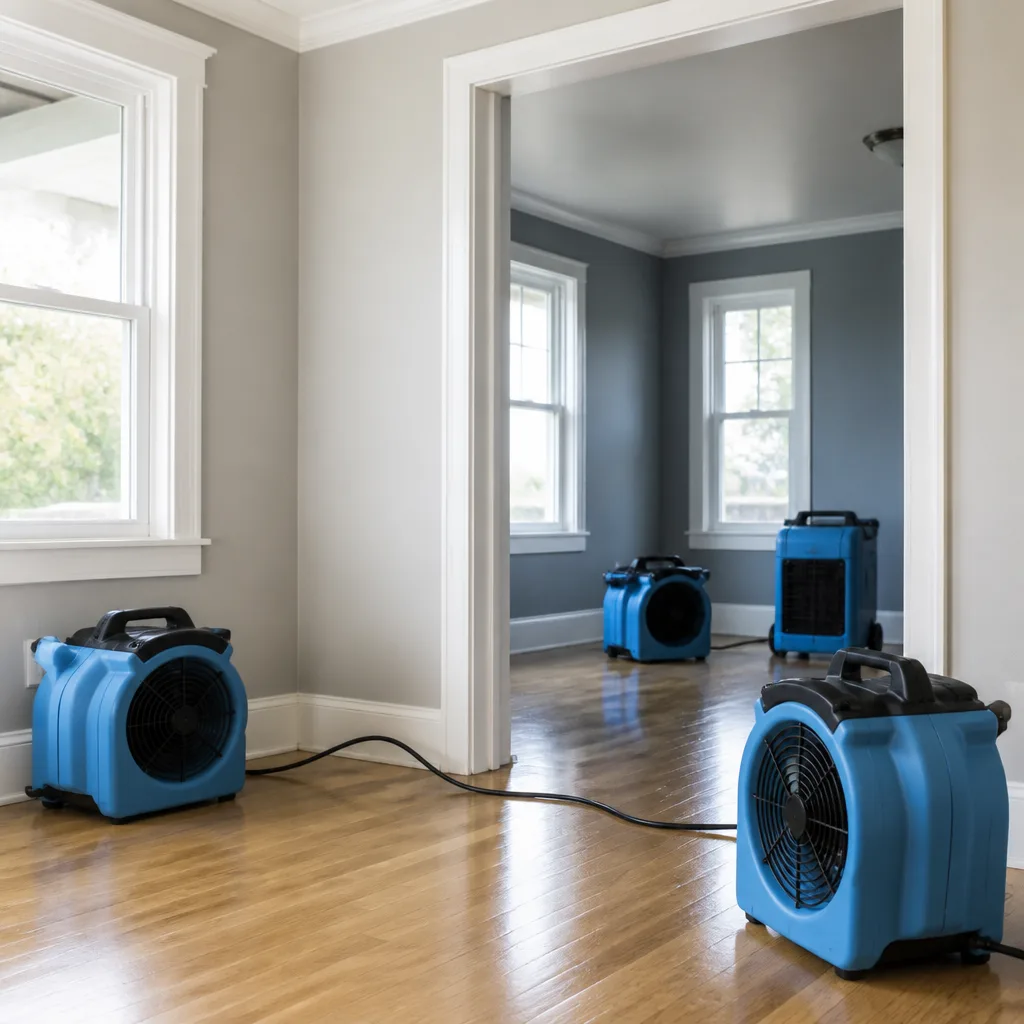 Water damage drying
 Fire & smoke cleanup
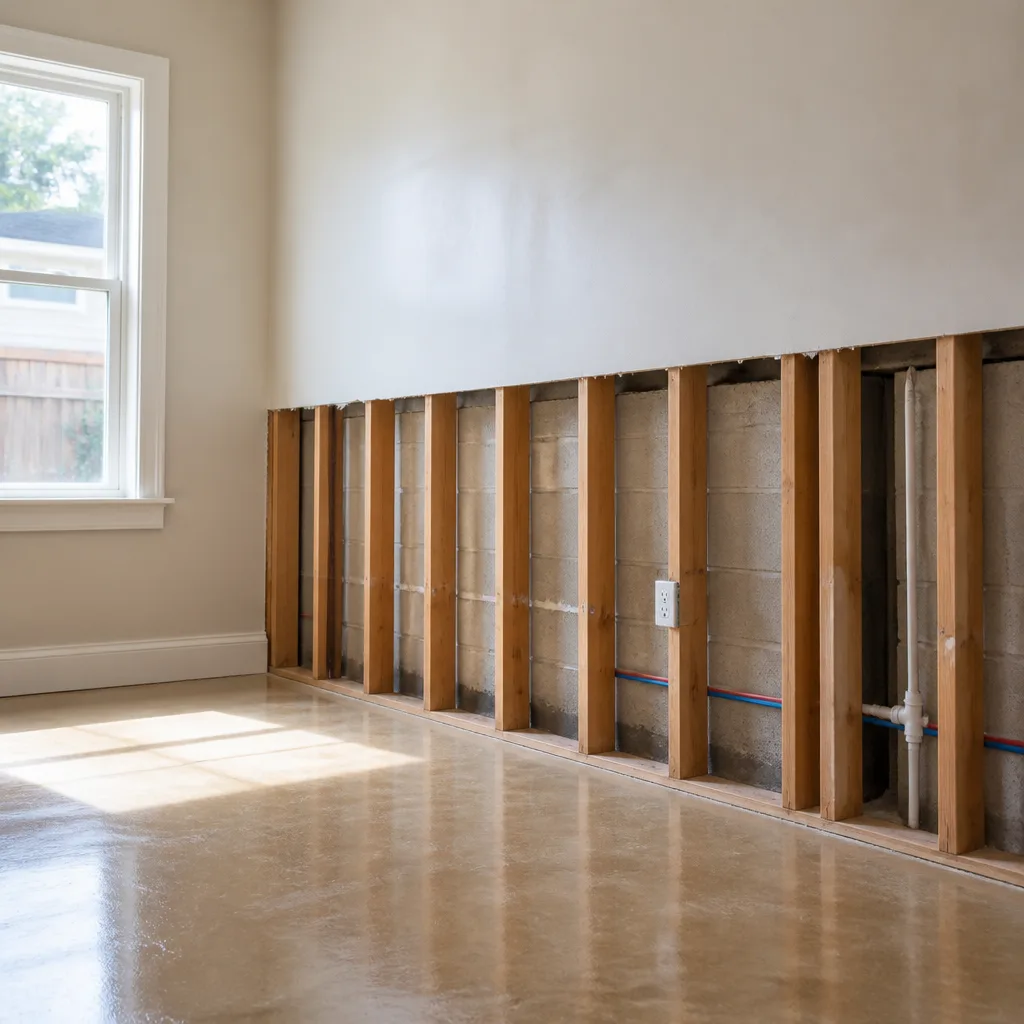 Mold remediation
 Storm response
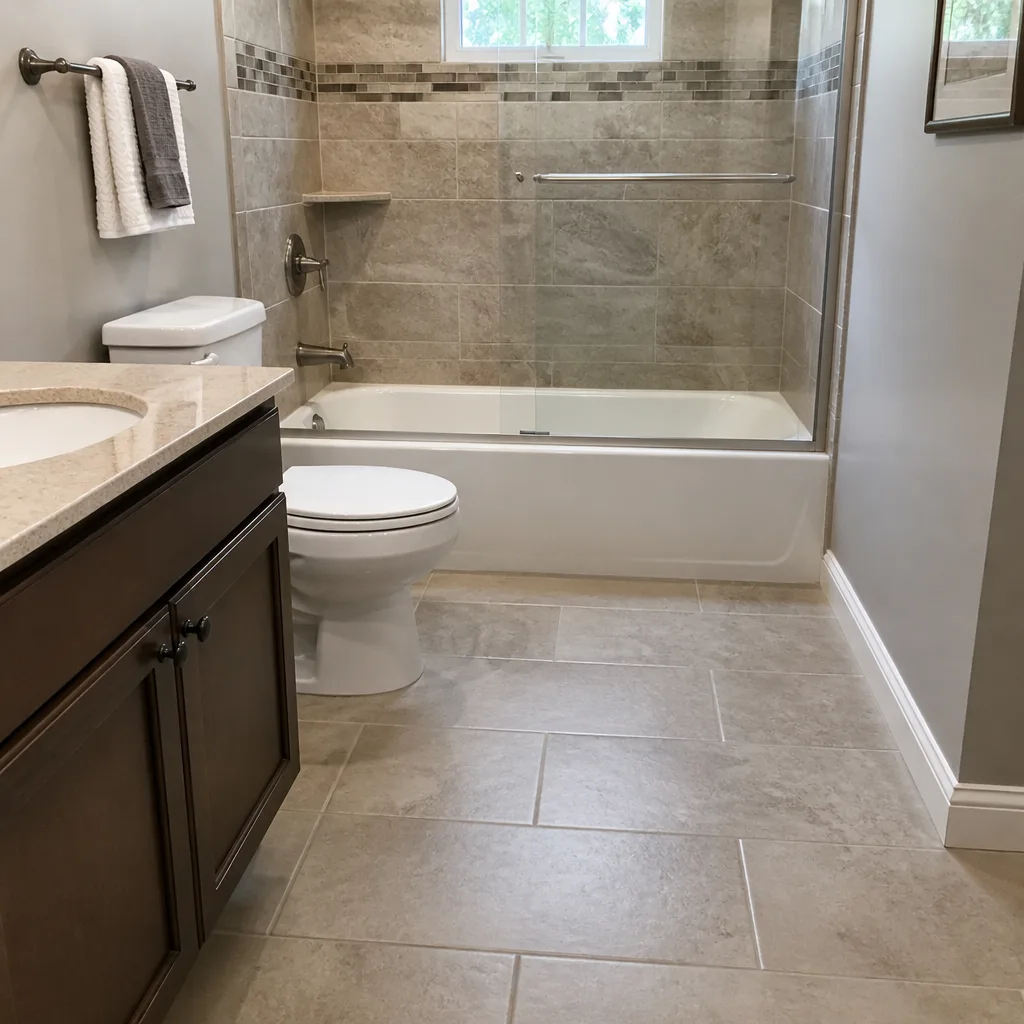 Sewage cleanup
 Reconstruction
Free visual inspection and a written scope of work before any mitigation begins - photos, moisture readings, and drying logs go in your claim file
The scope we write is the scope we bill. Anything new gets shown to you, in writing, before we touch it.
Get your free estimateDamage Restoration Permits, Codes & Inspections in CA: What You Need to Know
A Riverside County home sold in 2023 without the seller disclosing that post-flood drywall repairs had been completed two years prior, unpermitted. The buyer’s inspection flagged it. The lawsuit that followed named both the seller and the restoration contractor who had done the work. The permit for that repair would have cost under $200. This guide maps the exact line between emergency mitigation (usually no permit) and reconstruction (almost always a permit) in California, with specific attention to how Murrieta and Riverside County building departments enforce those rules. For Damage Restoration Warning Signs: A Murrieta Homeowner’s Reference Guide, see our companion post. By the end, you’ll know which restoration projects trigger permits, who should pull them, what happens when they’re skipped, and how to avoid becoming the next cautionary tale.
Restoration work we handle
Quick Answer
In California, emergency mitigation work like water extraction, drying, and removing wet drywall typically does not require a building permit because it stops ongoing damage rather than altering the structure. However, the moment restoration crosses into replacement or reconstruction (rehanging drywall, rewiring, subfloor replacement, any framing work), a permit is usually required. Skipping that permit can void insurance coverage for future claims, cloud your property title, and fail home inspections when you sell. Our DIY vs Professional Damage Restoration: The Murrieta Homeowner’s Decision Guide covers when to call in experts.
Table of Contents
- The Permit Line: Mitigation vs. Reconstruction in California
- Which California Building Codes Govern Restoration Work
- Murrieta and Riverside County Permit Thresholds for Restoration
- How SB 721 and SB 326 Affect Multi-Family Restoration Projects
- The Insurance Implications of Unpermitted Restoration Work
- Who Pulls the Permit: You or Your Contractor
- The Inspection Process for Restoration Permits in California
- Common Mistakes to Avoid
- When to Call a Professional
- Frequently Asked Questions
- The Bottom Line
The Permit Line: Mitigation vs. Reconstruction in California
Most homeowners are surprised to learn that restoration work splits into two legal categories, and the permit requirement depends entirely on which side of the line the work falls on. Emergency mitigation, the work we do in the first hours and days after water damage or a fire, is generally permit-exempt under California law. Reconstruction, which begins once the structure is dried and stabilized, typically requires a permit from the local building department.
Here’s how the line works in practice. When a pipe bursts in a Murrieta home and we arrive with drying equipment from Dri-Eaz and Phoenix, the work is mitigation: extracting standing water, setting up air movers and dehumidifiers, cutting out saturated drywall that cannot be saved, and treating the affected cavities with antimicrobial protocols. The building department does not require a permit for this because we are removing damaged material and running temporary equipment, not modifying the structure. The work stops further damage rather than changing how the building stands or functions.
Reconstruction is different. The moment we rehang drywall that was removed, we are restoring the building envelope. That requires a permit in virtually every California jurisdiction. The same applies to replacing subfloor sections, installing new electrical wiring that was damaged by water, moving or rebuilding non-load-bearing walls, and any work touching load-bearing framing, plumbing, or HVAC systems.
IICRC-certified technicians following documented restoration protocols know this line well because the industry’s published standards (S500 for water, S520 for mold, S700 for fire) draw the same distinction between mitigation and structural repair. In our experience in the Murrieta and Temecula Valley area, the permit line is rarely ambiguous on paper but frequently blurry in real homes, because a single damage event often requires both categories of work, and the sequencing matters.
The gray zone where contractors disagree typically involves “like-for-like” light repairs, for example patching a small section of drywall rather than replacing an entire wall, or swapping a single damaged outlet. Some building officials say any drywall replacement needs a permit. Others treat small patches as exempt because they do not affect the structural or fire-resistance assembly. We recommend calling the building department for anything beyond removal and drying, and we can advise on that call as part of any estimate in Murrieta.
Which California Building Codes Govern Restoration Work
Restoration work in California falls under several overlapping codes, and understanding them prevents surprises during inspection. The primary document is the California Building Code (CBC), which adopts and amends the International Building Code for California-specific conditions including seismic requirements, wildfire urban interface rules, and energy efficiency standards. Part 2 of Title 24, the CBC governs most structural and non-structural building alterations including the reconstruction work that follows fire, water, or mold-related demolition.
Electrical work performed during restoration must meet the California Electrical Code (CEC), which is Part 3 of Title 24. Any wiring that gets wet, charred, or exposed during demolition must be evaluated by a licensed electrician and repaired or replaced to current CEC standards. This is one of the most frequently overlooked permit triggers in water damage restoration: homeowners assume that if the original wiring worked before the flood, it can simply be reconnected after drying. That’s rarely true in practice, because water ingress into conductors and junction boxes can cause corrosion that fails insulation resistance tests months later.
Mechanical and plumbing work falls under the California Mechanical Code and California Plumbing Code respectively. If a fire compromises ductwork, or water damage requires replacing drain lines or supply piping, those sections of restored systems must meet current code, not the code in force when the home was originally built. That’s a meaningful difference in older Murrieta neighborhoods where original construction predates modern airflow and water-efficiency requirements.
The California Energy Code (Part 6 of Title 24) applies when reconstruction involves insulation, windows, exterior walls, or roofing. Re-insulating a wall that was opened for drying is a permit trigger in many jurisdictions because it changes the thermal envelope, and the replacement insulation must meet current R-value minimums for Riverside County’s climate zone.
Restoration companies working to IICRC S500, S520, and S700 standards coordinate code compliance as part of their scope, not as an afterthought. That’s one reason we perform restoration work to published industry guidelines and maintain triple credentialing through IICRC, RIA, and IFA. The standards and the codes interlock: the standards tell us how to dry and remediate correctly, the codes tell us what the repaired building must achieve in terms of safety, structure, and energy performance.
Murrieta and Riverside County Permit Thresholds for Restoration
Murrieta operates its own building department through the City of Murrieta Building and Safety Division, which means permit thresholds and fees are set locally rather than by the county. Riverside County has its own building and safety department for unincorporated areas. If your property sits inside Murrieta city limits, that’s the authority you’ll deal with. If it’s in an unincorporated pocket like parts of French Valley or La Cresta, the county governs.
For drywall replacement, the practical threshold in Murrieta is area-based. Replacing less than a single full sheet (roughly 32 square feet) as part of a repair is often treated as exempt under the building code’s allowance for minor repairs, but this is a judgment call that varies by inspector. Anything beyond that, or any replacement that includes taped joints on newly exposed framing, typically requires a permit. We have seen Murrieta building officials ask for permits on drywall replacement jobs that other Southern California jurisdictions would treat as minor. The safest path is a quick call to the counter before work starts.
Electrical work near water damage follows state guidance: any modification to a circuit, any device replacement requiring wire termination changes, and any new wiring (even a short jumper between a damaged outlet and an existing junction box) requires a permit and a licensed electrician. A simple device swap where existing junction boxes and wiring remain intact is typically exempt. The distinction matters after water events because water often does not leave wiring “intact” even when it looks dry.
Subfloor repairs beneath water-damaged rooms carry more weight. If the repair involves cutting out and replacing structural sheathing or floor joists, Murrieta will require a permit and an inspection before the new material is covered. Non-structural underlayment replacement (the thin plywood or OSB above the joists, when joists are dry and sound) is sometimes treated as a like-for-like repair, but it’s safer to assume a permit for anything structural. After prolonged water exposure, joists often need at least partial replacement, which triggers both a permit and an engineering review in some cases.
Roof and exterior wall reconstruction after fire damage falls under the most restrictive path. Any work that changes the building envelope, including sheathing replacement, stucco repair beyond a patch, window or door replacement, and roof decking, requires a permit. In wildfire-adjacent parts of Murrieta, additional requirements may apply under Wildland-Urban Interface (WUI) codes, including ignition-resistant materials and ember-resistant venting.
The cost of restoration permits in Murrieta varies by valuation. As a reference point, a straightforward drywall and electrical repair permit typically lands in the $150 to $400 range, while larger reconstruction scopes can run into the thousands. Getting the permit right is cheaper than unwinding a bad one later. We encourage every Murrieta homeowner to ask whoever does the work for the permit number before crews arrive, and to confirm it with the building department.
How SB 721 and SB 326 Affect Multi-Family Restoration Projects
California Senate Bills 721 and 326 created mandatory balcony, deck, and exterior elevated element inspection regimes for multi-family properties, and they intersect with restoration work in ways that most condo owners and HOAs do not anticipate. The two laws target the same risk, exterior wood-framed elevated structures failing due to water intrusion, but they apply to different building types and have different enforcement timelines.
SB 721 applies to buildings with three or more multi-family dwelling units, requires inspection of exterior elevated elements (EEEs) like balconies, walkways, and stair landings by January 1, 2025, and every six years after. SB 326 applies to condominium associations, requires inspection by January 1, 2025, and every nine years after, and mandates that a licensed architect or structural engineer perform the inspection.
The intersection with restoration arises when water damage affects a multi-family building’s exterior elements, or when interior water damage spreads into load-bearing structures that support those elements. If an HOA files a claim for water intrusion at a balcony interface, and the restoration scope includes structural repairs to the cantilevered deck framing, permit requirements are absolute. There is no mitigation exemption for structural work on EEEs.
What’s more, the SB 721 and SB 326 inspection reports themselves become triggers for restoration work. When an inspection identifies water damage, dry rot, or corroded connections in a balcony or walkway, the building owner has a legal obligation to repair the condition, and that repair requires both a permit and an engineer’s sign-off in most cases. We have worked with Murrieta HOAs where a routine SB 326 inspection turned into a multi-unit water damage restoration project, because years of undiscovered intrusion had reached the framing.
For individual condo owners, the crucial question is who pulls the permit. Interior unit damage is typically the unit owner’s responsibility. Structural elements serving multiple units, including the EEEs themselves, belong to the association. The permit applicant matters because it determines who carries the liability for code compliance and who the inspector will call to schedule access. When our team handles water damage restoration in Murrieta for a condo building, we coordinate with the HOA to establish that division in writing before demolition begins, which prevents disputes about responsibility mid-project.
The Insurance Implications of Unpermitted Restoration Work
The most expensive permit you ever skip may be the one your insurance company discovers years later. California homeowners policies include “concealment or fraud” provisions, and many also include specific language about unpermitted construction. When you file a claim for a new loss, the adjuster’s job includes identifying pre-existing conditions that may explain or exacerbate the claimed damage. Unpermitted restoration work is a red flag that can trigger claim denial, even if you, the current homeowner, did not know the work was unpermitted when you bought the property.
Here’s the sequence we see in Murrieta and Riverside County. A homeowner discovers water damage, files a claim, and we start mitigation. During the adjustment, the insurer’s investigator reviews the home’s permit history and finds that a previous restoration project replaced drywall and rewired two rooms without permits. The insurer now has grounds to argue one of two things: either the prior unpermitted work contributed to the current damage (denying or reducing the claim), or the homeowner’s failure to maintain proper permitting constitutes concealment (voiding coverage under the policy’s fraud clause). Both paths end badly for the homeowner.
Insurers coordinate with permit databases available through California’s building departments, and they routinely pull permit histories as part of major loss investigations. They are not looking for permits because they care about code compliance; they are looking for coverage defenses. Every unpermitted repair is a potential exclusion trigger.
We recommend homeowners treat permit status as part of their property’s insurance health. Before filing any claim, pull your own permit history from the City of Murrieta or Riverside County and review it. If you find unpermitted restoration work, disclose it to your contractor and your adjuster before they discover it themselves. In many cases, the work can be retroactively permitted, though it may require opening walls for inspection. That cost is modest compared to a denied claim or a rescinded policy.
For current projects, we always document the permit process in our scope of work, and we recommend that homeowners keep copies of permit applications, issued permits, inspection results, and the final permit sign-off. That file becomes your evidence in any future dispute with an insurer, a buyer, or a contractor. Photo documentation and clear records are not optional extras; they are the difference between a smooth claim and a contested one.
Who Pulls the Permit: You or Your Contractor
California law allows either the property owner or a licensed contractor to pull a building permit for restoration work, but the choice has real consequences for warranty, liability, and inspection scheduling. Our recommendation in most Murrieta restoration projects is that the contractor who performs the work also pull the permit, for a straightforward reason: the permit holder is the party legally responsible for code compliance and for calling inspections. See How to Hire a Damage Restoration Contractor in Murrieta: A Step-by-Step Guide for vetting tips.
Why Contractor-Pulled Permits Are Usually Better
- The contractor’s license is on the line with the California Contractors State License Board (CSLB). If the work fails inspection, the contractor faces consequences beyond a red tag; they face license discipline.
- The contractor knows the code details that trigger inspection requirements. A restoration company that performs work to IICRC S500, S520, and S700 standards understands what the inspector will look for in a water or fire reconstruction scope.
- Scheduling is simpler. The contractor coordinates inspection appointments around the construction schedule, which reduces delays between phases.
- The permit forms a direct chain of accountability from the homeowner to the contractor. If something goes wrong later, the permit record identifies exactly who did the work.
When Owner-Pulled Permits Make Sense
Some homeowners pull their own permits to save on contractor markup or to retain direct control over the inspection process. That can work for a knowledgeable owner handling a small, simple repair. We see it most often with minor drywall patches or small subfloor repairs where the homeowner will do some of the work themselves. The tradeoff is that the owner becomes personally responsible for code compliance, and if the work fails inspection, the owner bears the liability without a contractor’s license as a shield.
One critical caveat: some contractors tell homeowners to pull the permit themselves specifically because the contractor is unlicensed, or because the contractor has a history of failed inspections. That should be an immediate red flag. Any legitimate restoration company in California must hold a CSLB license to perform work over $500 in value. If a contractor suggests that you pull the permit as a favor, or because it will “keep costs down,” verify their license before signing anything.
In Murrieta, the building department treats owner-pulled and contractor-pulled permits identically for inspection purposes, but the liability trail is very different. A permit with your name on it, for work performed by someone else, means you are the responsible party in the eyes of the city. We recommend that the party performing the work, not the party writing the check, holds the permit.
The Inspection Process for Restoration Permits in California
Restoration permits in California follow a defined inspection sequence, and understanding it prevents costly delays. Here is the step-by-step path for a typical water damage reconstruction permit in Murrieta, from application to final sign-off.
- Permit Application. The contractor or owner submits the permit application with a scope of work, materials list, and valuation. The City of Murrieta accepts applications online and in person at the Building and Safety counter.
- Plan Review (if required). Small restoration scopes often receive over-the-counter review. Larger projects, especially those involving structural changes, electrical panel work, or fire damage to load-bearing elements, go to plan review, which can take one to three weeks.
- Permit Issuance. Once fees are paid and the permit is issued, work can begin. The permit card must be posted at the job site.
- Rough Inspection. After demolition and before concealment, the inspector verifies framing, strapping, fire-blocking, and any structural repairs. Nothing gets covered until this inspection passes.
- Electrical / Mechanical / Plumbing Inspections. These may be combined or scheduled separately depending on scope. For water damage work, the inspector typically verifies that all affected wiring has been replaced or repaired to current code.
- Insulation and Drywall Inspection. In some scopes, especially where the energy code applies, the inspector verifies insulation R-value and proper installation before drywall is hung.
- Final Inspection. Once all trade work is complete, the inspector does a final walkthrough, verifies the work matches the permit scope, and signs off. The permit is then closed, and the record remains in the city’s database permanently.
We cannot stress the rough inspection timing enough. Failure to call it before concealment is the single most common cause of failed inspections and forced demolition in restoration projects. We have seen Murrieta homeowners open a wall that was closed by a previous contractor, only because the inspector required it to verify the work beneath. Calling the inspection at the right moment costs nothing but scheduling discipline. Missing it costs time, money, and often a second round of drywall work.
In Riverside County’s unincorporated areas, the process mirrors Murrieta’s but is administered through the county’s Building and Safety Department. County inspections are generally scheduled online, and the same rough-final sequence applies. For multi-family properties under SB 721 or SB 326, engineer inspection reports may be incorporated into the permit file at the building department’s request.
Common Mistakes to Avoid
- Assuming mitigation covers everything. Water extraction and drying are permit-exempt. Rehanging drywall is not. Homeowners often authorize reconstruction under the same no-permit assumption that applied to the mitigation phase, which is a costly error.
- Using an unlicensed contractor for reconstruction. California allows unlicensed workers for some mitigation labor, but reconstruction work over $500 requires a CSLB license. Using an unlicensed crew for reconstruction leaves you legally exposed, and the permit, if one exists at all, will not protect you.
- Skipping the rough inspection because you’re “in a hurry.” Inspectors in Murrieta and Riverside County will require concealed work to be opened for inspection if the rough was never called. That means new drywall gets cut out, sometimes weeks after it was finished.
- Letting the insurance adjuster’s timeline dictate the permitting path. Adjusters want claims closed quickly, but permits do not bend to insurance timelines. Starting reconstruction before the permit is issued creates a violation that the building department will not waive.
- Assuming the permit covers work done before it was issued. Restoration work completed before permit issuance is not retroactively validated by a permit application. If the building department learns of it, they can require opening the work for inspection and charge double fees.
- Failing to reconcile the permit with the insurance claim. When you sell the property, the buyer’s inspection will look for permit records that match the visible restoration work. A missing permit is a disclosure problem, and in California, that problem travels with the property.
- Ignoring SB 721 and SB 326 obligations for multi-family properties. HOA boards and condo owners sometimes treat these inspection deadlines as optional paperwork. They are not; they carry statutory deadlines and liability for non-compliance. Restoration work triggered by an inspection report must proceed under permit.
When to Call a Professional
Call a restoration professional the moment you see signs of water damage that extend beyond a surface spill: bubbling drywall, warped baseboards, musty odor, or visible staining on ceilings. Early response prevents the boundary between mitigation and reconstruction from shifting in the wrong direction. If you can dry the structure before it requires demolition and rebuild, you may avoid the permit process entirely, because the work stays on the mitigation side of the line. We use Injectidry systems for in-place drying of wall cavities and subfloors precisely to reduce the amount of demolition required. Call a professional when you cannot determine whether the damage is contained, when electrical systems may have been affected, when structural framing shows visible staining or swelling, or when standing water has been present for more than 24 hours. Explore more guides & resources on protecting your Murrieta home. Whitehall Water Damage offers free estimates in Murrieta, call (844) 643-8708 to schedule an assessment.
Frequently Asked Questions
No permit is required for emergency mitigation work such as water extraction, structural drying, and removal of unsalvageable drywall, because this work stops ongoing damage rather than altering the structure. A permit is required when reconstruction begins, including rehanging drywall, replacing subflooring, rewiring, or any structural repair. Call (844) 643-8708 for guidance on your specific Murrieta project.
Skipping a required permit creates a public record problem, because the unpermitted work may be discovered during a future insurance claim, a home sale inspection, or a neighbor-triggered code enforcement action, and the City of Murrieta can require the work to be opened for inspection and charge double permit fees. The discovery can also void insurance coverage for future claims under concealment provisions.
Either party can pull the permit, but the recommended path is for the contractor performing the work to hold the permit, because the permit holder is legally responsible for code compliance and inspection scheduling, and a licensed contractor’s CSLB standing is attached to the permit outcome.
Most homeowners insurance policies cover building permit fees as part of the reconstruction cost when the work is directly related to a covered loss, but the permit itself is not typically a separate line item; it is rolled into the code upgrade coverage or general repair settlement. Ask your adjuster to confirm permit fee inclusion before you authorize reconstruction.
A straightforward restoration permit with no structural review is often issued over the counter or within a few business days in Murrieta, while projects requiring plan review, structural engineering, or energy code compliance may take one to three weeks before the permit is issued.
Mold remediation that involves only cleaning and removal of contaminated materials is generally permit-exempt, while fire damage restoration that requires structural rebuilding, electrical replacement, or exterior envelope repair follows the same permitting rules as any major reconstruction, and no permit exemption applies simply because the cause was fire.
The Bottom Line
California’s permit line in restoration lives between mitigation and reconstruction. Drying and demolition are exempt. Rebuilding is not. Murrieta and Riverside County enforce that line consistently, and the consequences for crossing it without a permit include insurance denials, title clouding, inspection failures, and lawsuit exposure that can extend years beyond the original damage event. The permit costs less than the risk. Work with a restoration company that performs work to IICRC S500, S520, and S700 standards, that understands the permit thresholds in your specific jurisdiction, and that will put the permit in the right name. For more on how Whitehall Water Damage handles Water Damage Restoration in Murrieta, Mold Remediation in Murrieta, or Fire Damage Restoration in Murrieta, visit the Whitehall Water Damage home page or call (844) 643-8708 for a free estimate and permit guidance on your project.
Written by the team at Whitehall Water Damage, serving Murrieta since 2015.
See the difference
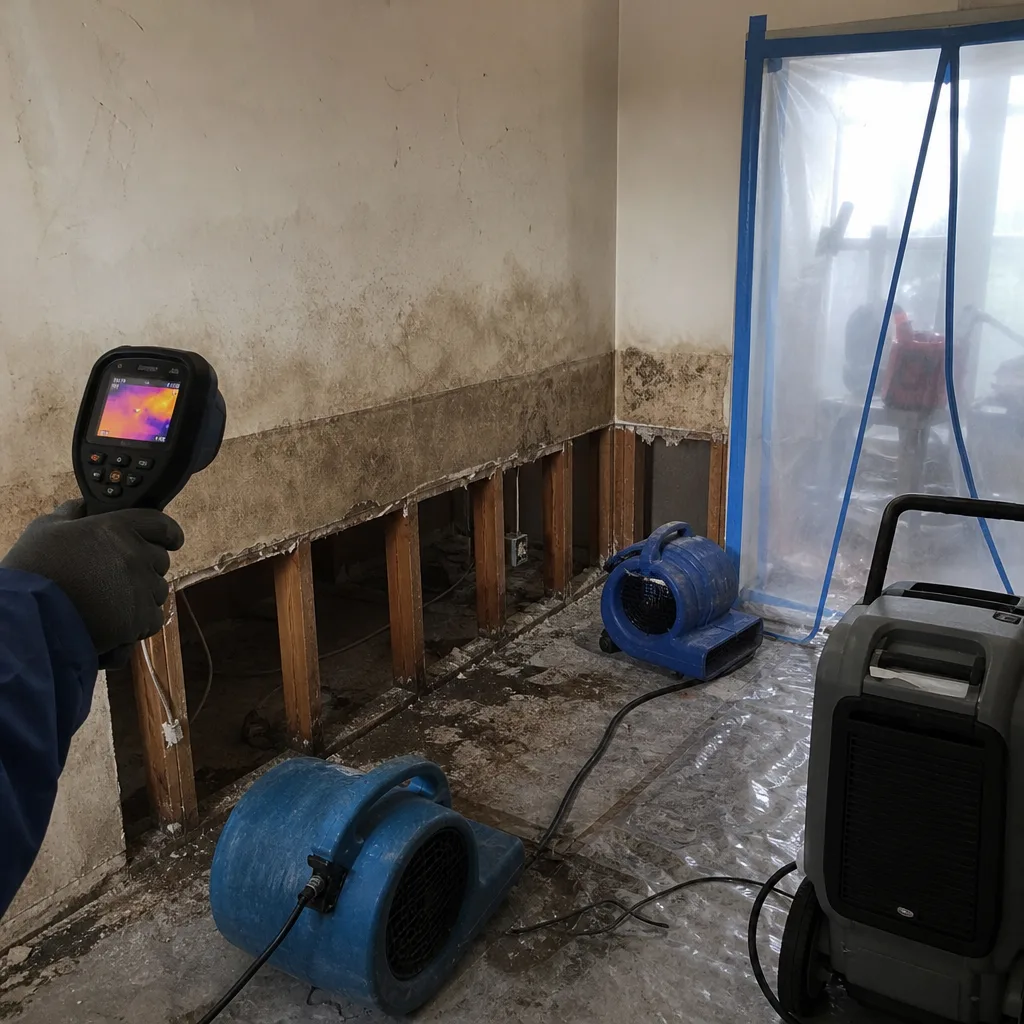 Before
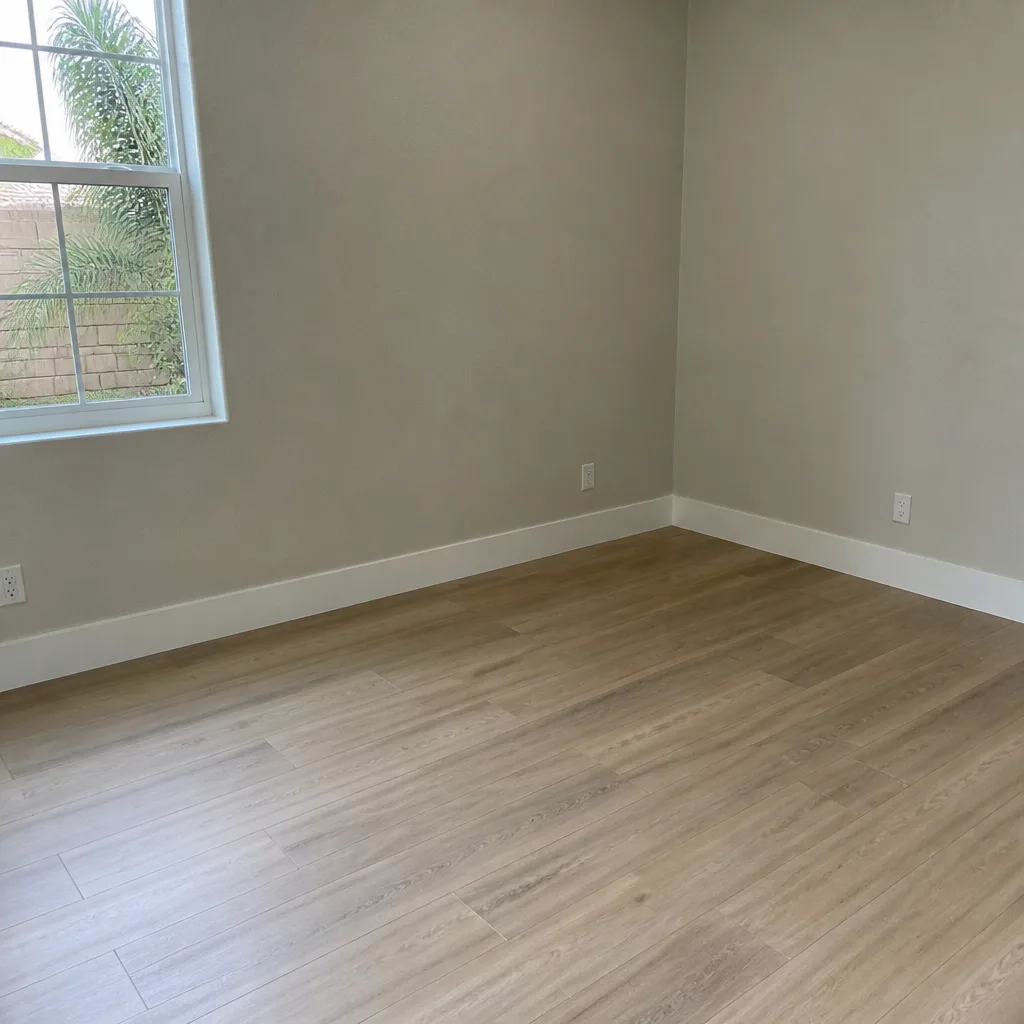 After
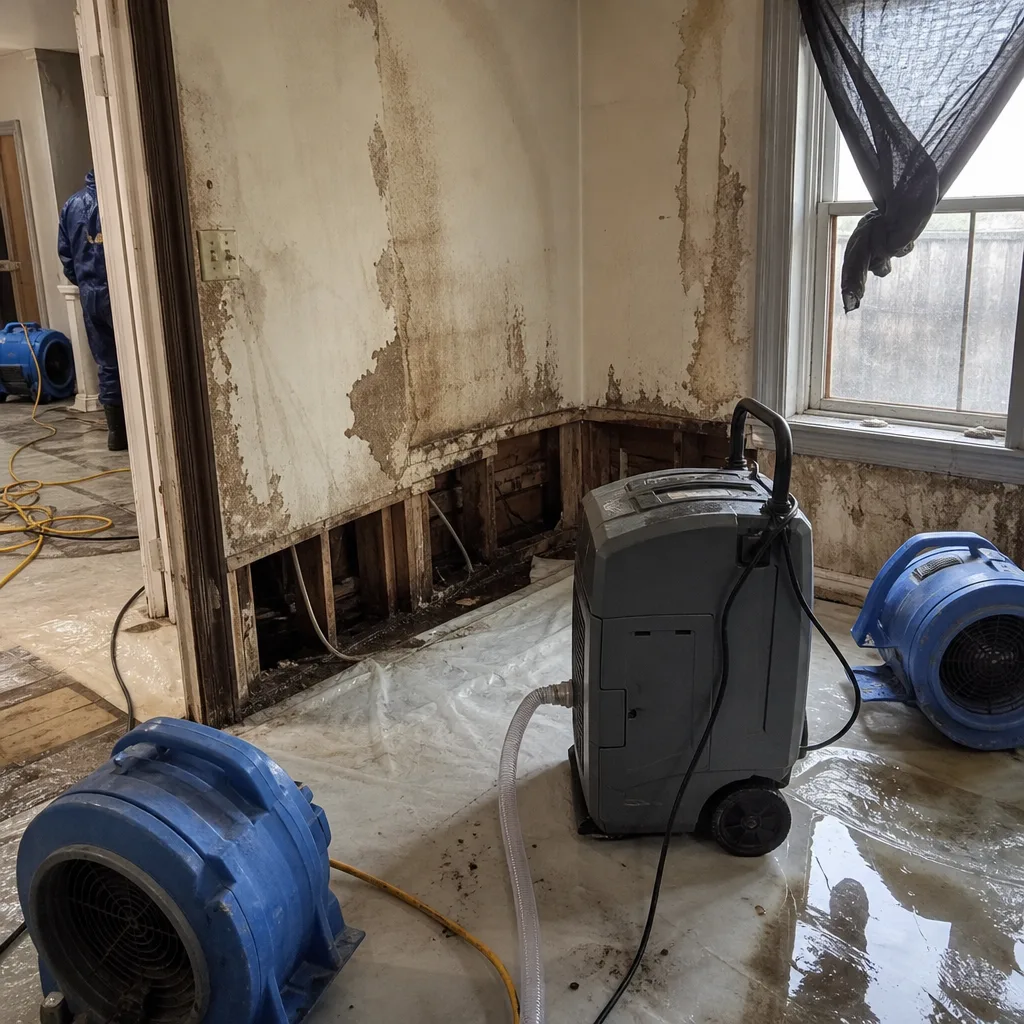 Before
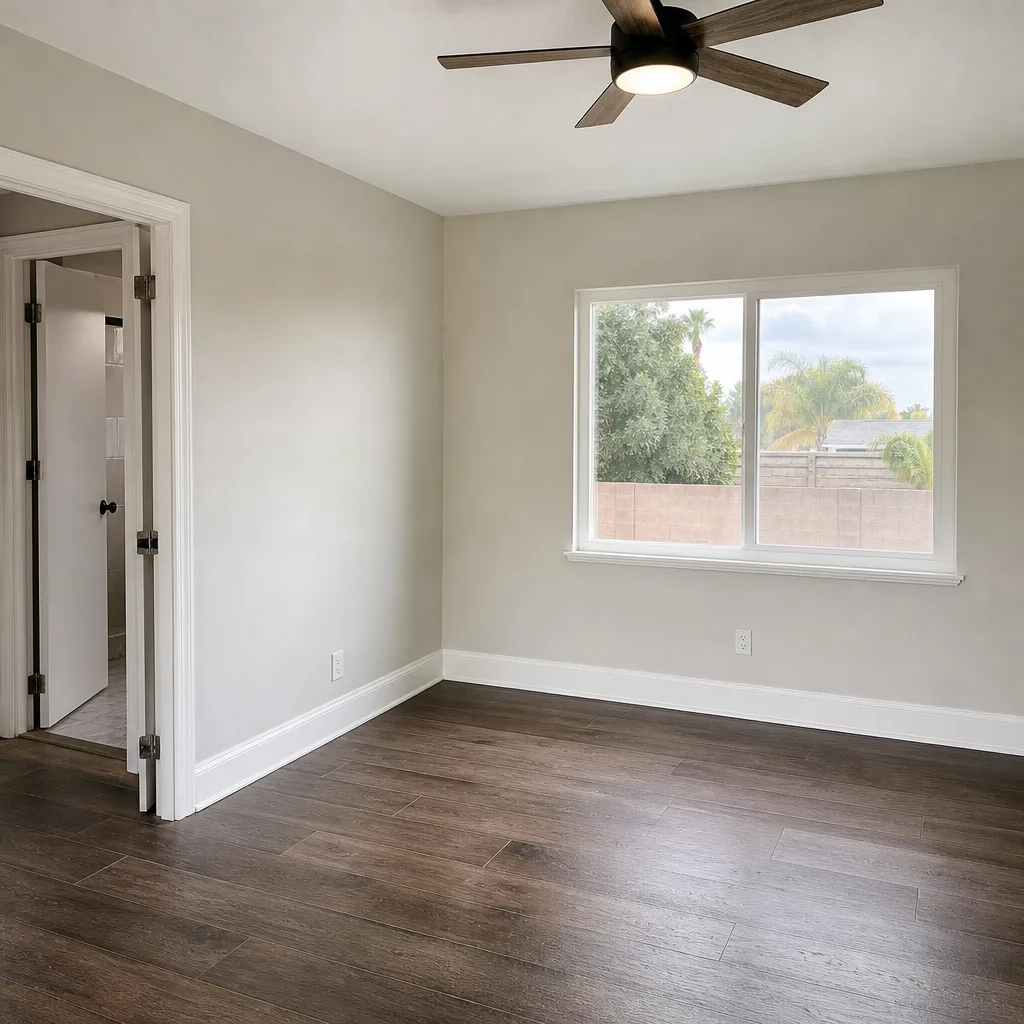 After
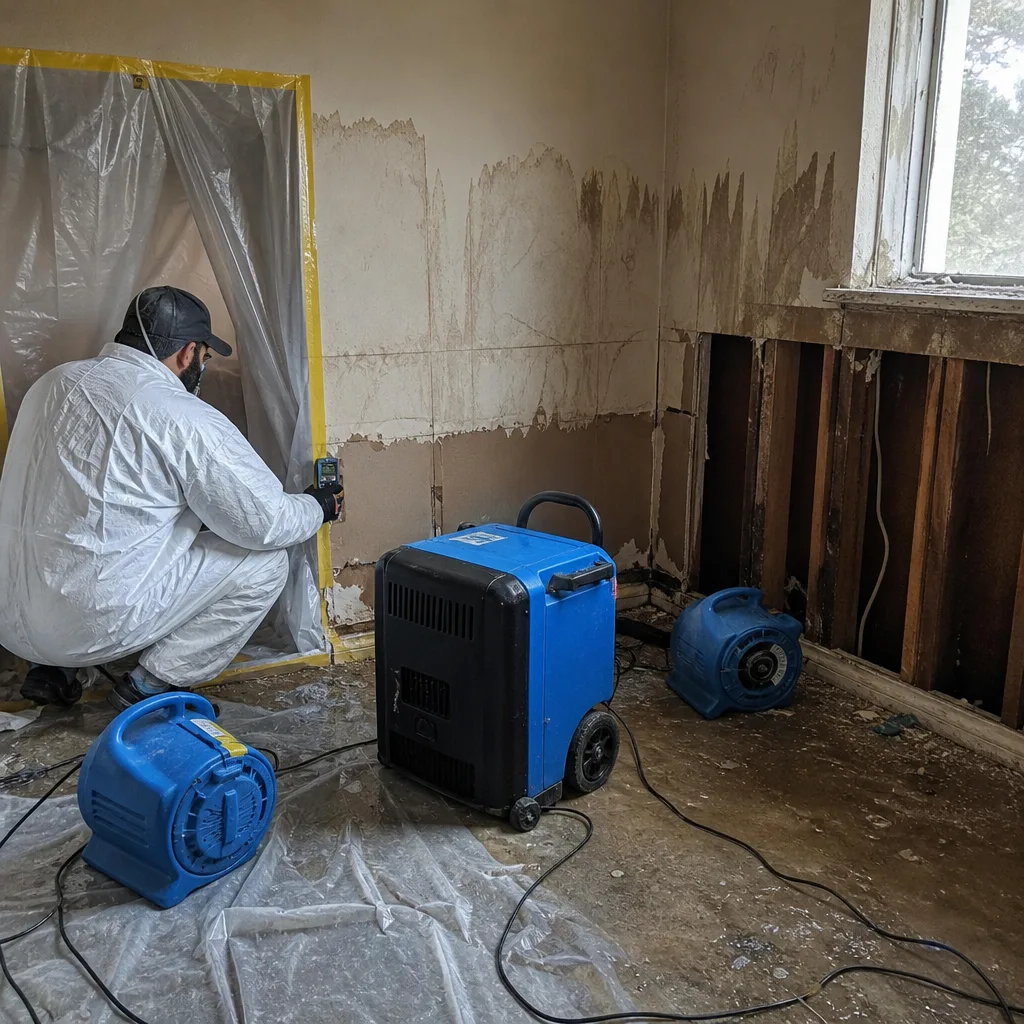 Before
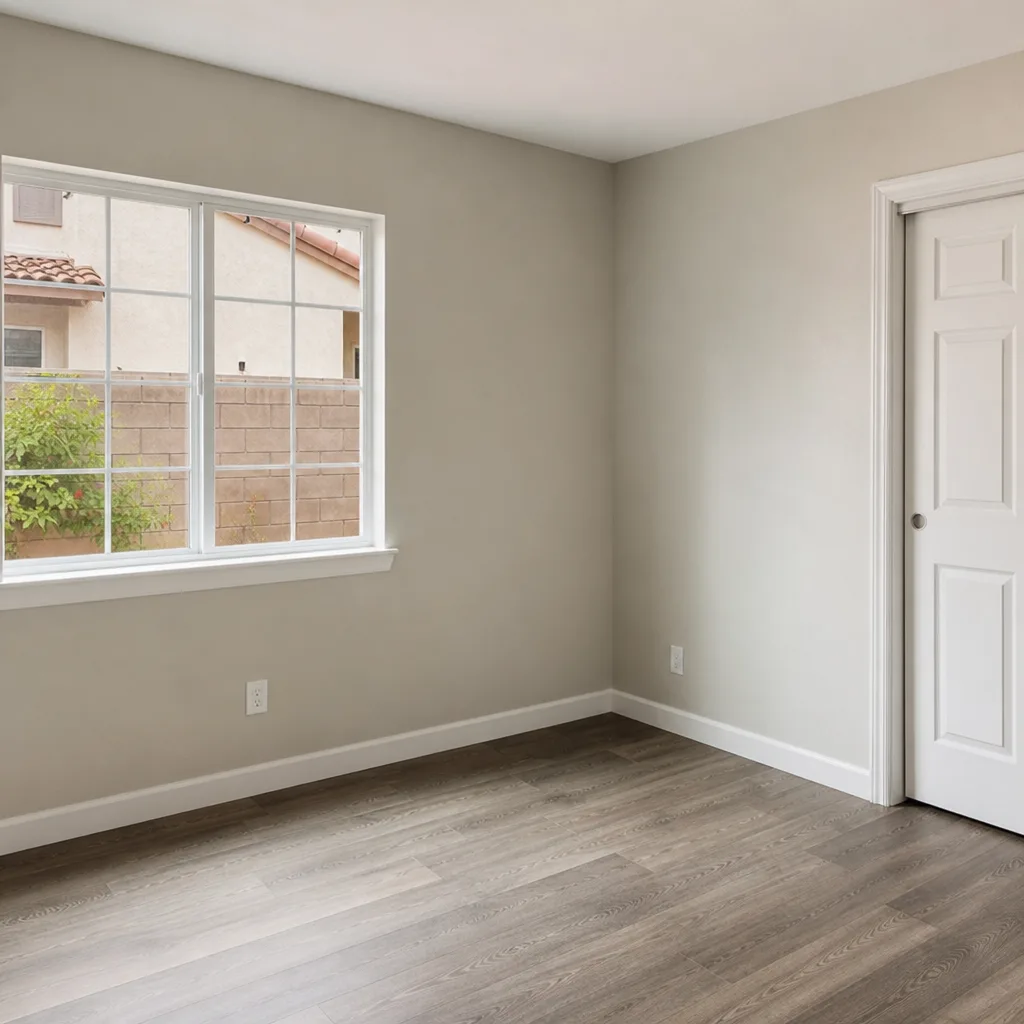 After