
Last updated October 30, 2026
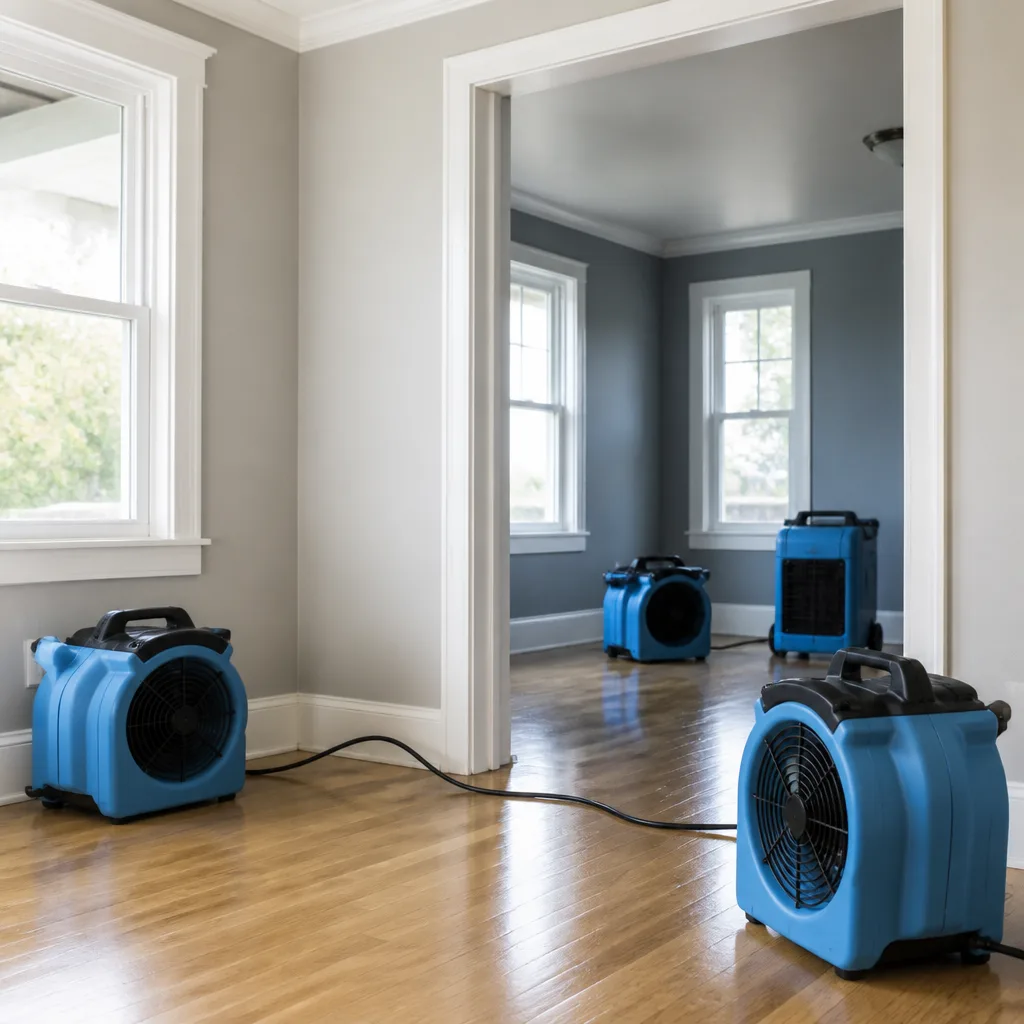 Water damage drying
 Fire & smoke cleanup
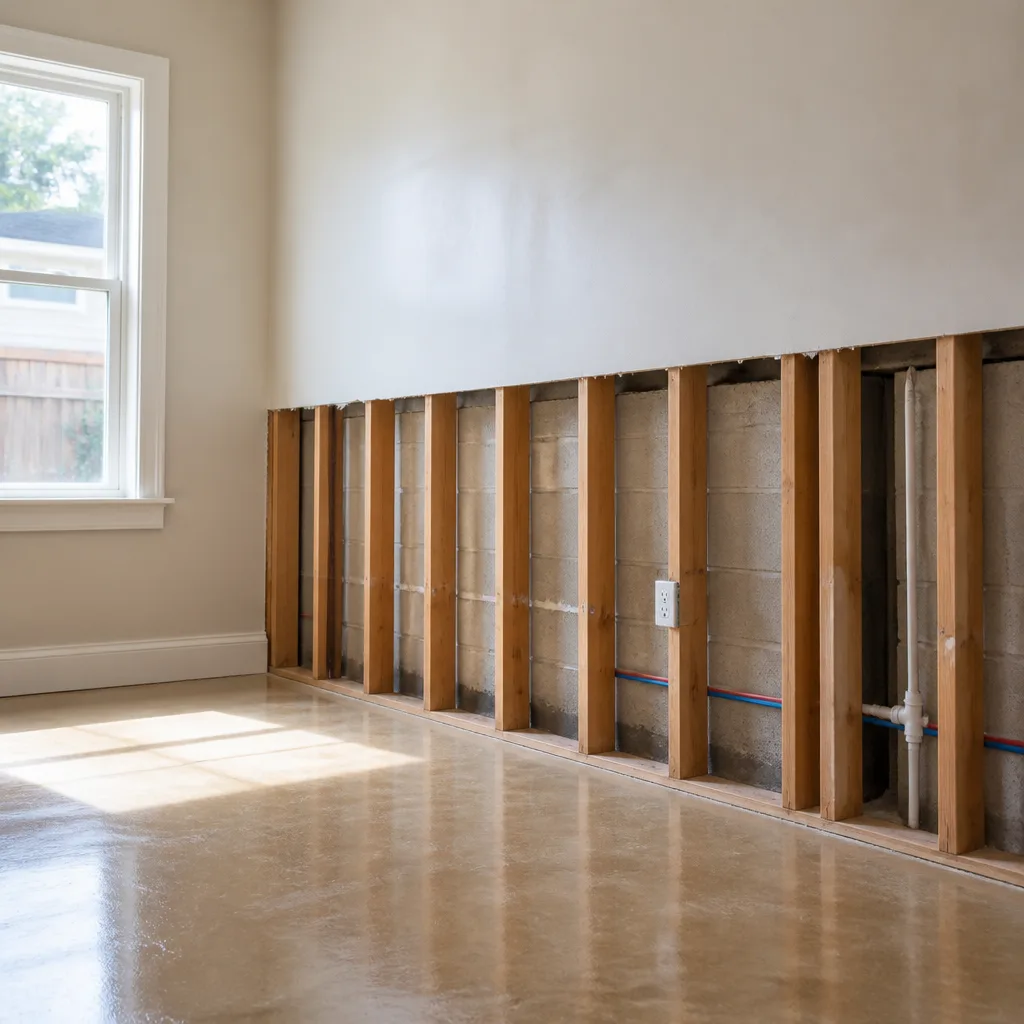 Mold remediation
 Storm response
 Sewage cleanup
 Reconstruction
Free visual inspection and a written scope of work before any mitigation begins - photos, moisture readings, and drying logs go in your claim file
The scope we write is the scope we bill. Anything new gets shown to you, in writing, before we touch it.
Get your free estimateDamage Restoration Warning Signs: A Murrieta Homeowner’s Reference Guide
Most Murrieta homeowners discover water damage the way they discover a cavity: long after the problem became expensive. The warning signs printed on every restoration blog – visible staining, warped flooring, peeling paint – are not early indicators at all. They are late-stage confirmation that moisture has been active for weeks or months. What follows is a different kind of reference guide. We’re cataloging the signals that appear before visible damage, the ones restoration technicians recognize because we’ve traced thousands of them back to their source in homes across Murrieta’s tract developments, hillside builds, and older downtown stock. If you catch these, you intervene while remediation is still straightforward.
Quick Answer
The earliest water damage warning signs in a Murrieta home are rarely visible water. They include unexplained humidity spikes on your thermostat, doors that suddenly stick or swing on their own, a water bill that jumps 10-15% without a change in usage, subtle floor flex where there was none before, and musty odors that come and go with HVAC cycles. Any one of these warrants a professional moisture assessment before staining or warping appears.
Restoration work we handle
Table of Contents
- The Musty Smell You’re Ignoring
- The Soft Floor Progression
- Slab Leaks and Murrieta’s Clay Soil
- HVAC Warning Signs Most Guides Miss
- Exterior Stucco Signals in the Inland Climate
- The Water Bill Spike Diagnostic
- Common Mistakes to Avoid
- When to Call a Professional
The Musty Smell You’re Ignoring
The human nose is a poor moisture detector because it adapts. You walk into a room, notice a faint mustiness, and within ninety seconds your olfactory receptors have stopped sending that signal to your brain. The smell hasn’t gone away. You’ve simply stopped registering it. This sensory adaptation is why restoration professionals in Murrieta hear the same sentence from nearly every homeowner with a concealed mold issue: “We noticed it a few months ago but then it seemed to go away.”
Musty odors in a home are not a characteristic of age. They are a byproduct of microbial metabolism: mold and bacteria consume organic material – drywall paper, wood studs, carpet backing – and release volatile organic compounds as waste. That odor you’re attributing to a “stuffy room” or “old house” is frequently off-gassing from active microbial growth inside wall cavities, at a stage where remediation is still straightforward. By the time you see discoloration on the drywall surface, the colony is well established and has likely penetrated the paper facing.
Here’s what to pay attention to:
- Intermittent odor tied to HVAC cycles: If the smell intensifies when the air conditioner kicks on, the source is likely inside the ductwork or a wall cavity near a return air leak. The system depressurizes cavities and pulls contaminated air into the living space.
- Location-specific smell after rain: A musty odor that appears only within 24-48 hours after rainfall suggests a building envelope leak – often at a window flashing, a stucco crack, or a roof penetration typical of water intrusion patterns Murrieta technicians document.
- Odor strongest at baseboards or electrical outlets: Wall cavities communicate with the room through trim gaps and outlet boxes. If you can localize the odor to a specific outlet, that cavity is a strong candidate for a moisture assessment.
- Persistent smell in a room with no plumbing: Bedrooms, hallways, and living rooms have no water supply lines. A musty odor in these spaces points to roof leaks, exterior wall intrusion, or HVAC condensate problems rather than plumbing.
In our experience, the conversation that matters most with a homeowner is the one about duration. A musty smell that has persisted for more than two weeks is almost never going to resolve on its own. The moisture source feeding it – a slow supply leak, a condensate drip, a flashing failure – will not self-heal. If you’re smelling it, mold remediation considerations are already on the table, though the scope is significantly smaller at the pre-visible stage than it will be in three months.
The Soft Floor Progression
Every floor deflects slightly under foot traffic. That’s normal. The question is whether what you’re feeling is the floor’s engineered flex or the early stages of delamination caused by moisture infiltrating the substrate. Here’s how to distinguish them.
Engineered floor flex is consistent and predictable. It feels the same in the morning and evening, in summer and winter. It doesn’t change week to week. Moisture-related delamination is progressive. The floor felt solid in March and slightly spongy in May. By July there’s a perceptible give in one specific area. That progression is the tell.
What’s happening beneath the surface
When moisture reaches the subfloor – oriented strand board (OSB) or plywood in most Murrieta residential construction – the wood absorbs water and the resins that bind the strands or plies begin to break down. The substrate loses its structural integrity from the inside out. The finished floor above it – whether vinyl plank, engineered hardwood, or tile with compromised grout – loses its rigid support and begins to flex independently.
A simple diagnostic sequence we use on assessments:
- Ball-of-foot pressure test: Stand on one foot and rock slightly. Normal flex feels like the entire floor assembly moving together. Delamination feels like the finished surface moving independently of what’s beneath it.
- Relocation test: Move to the same position in an adjacent room or a clearly dry area of the same room. If the flex is isolated to one zone, that’s a moisture signature, not an engineering characteristic.
- Height comparison: Run your fingers across the seam where the floor meets the baseboard. In early delamination, the finished floor often swells slightly before it visibly warps, creating a tight or uneven gap at the trim.
- Sound test: Tap the area with a knuckle. A hollow, dead thud versus the solid sound of surrounding areas indicates the substrate has begun to lose density.
In Murrieta’s climate, we see floor delamination most frequently in three scenarios: under kitchen dishwashers and refrigerators with slow supply line leaks, in bathrooms where a toilet wax ring has failed and moisture has wicked under the vinyl flooring, and in slab-on-grade homes where a sub-slab plumbing leak has migrated moisture upward through the concrete. The equipment we run – Dri-Eaz moisture meters and thermal imaging cameras – pinpoints these sources before any finish removal begins, which keeps the repair scope to exactly what’s necessary rather than a full floor replacement, though some homeowners first consider handling it themselves; our DIY vs Professional Damage Restoration: The Murrieta Homeowner’s Decision Guide can help you decide.
Slab Leaks and Murrieta’s Clay Soil
Murrieta sits on expansive clay soils. This matters more than most homeowners realize, because clay is the single biggest contributor to slab leaks in this area. Clay expands dramatically when wet and contracts when dry. Over years of wet and dry cycles, this movement stresses the copper and PEX supply lines running beneath and through your foundation slab. A pipe that was installed with proper clearance in 1998 may be in direct contact with shifting soil by 2026.
The conventional advice on slab leaks tells you to listen for running water sounds when fixtures are off or look for a hot spot on the floor. Those indicators are useful but they’re already mid-stage. Here are the earlier signals we’ve learned to associate with slab leaks in Murrieta specifically.
Interior door misalignment
When a slab foundation moves, even a few millimeters, the door frames above it move with it. The slab is one continuous pour; stress at one point telegraphs through the entire plane. A bedroom door that suddenly catches on its frame, a bathroom door that swings closed on its own, or a closet door that won’t latch – any of these can be the first mechanical symptom of moisture-related slab movement before any wet surface appears. The moisture from a leaking pipe causes differential movement: the area around the leak stays swollen while surrounding soil dries and contracts. That imbalance flexes the slab.
Tile grout fracture patterns
Grout cracks running in a straight line across multiple tiles, especially in a hallway or entry, often trace the path of a settling slab. This is different from the random hairline cracking that appears at tile-to-tub transitions or around islands. Linear grout fractures suggest the slab is flexing along a stress line, and in a Murrieta home with clay soil beneath it, moisture is among the most likely causes.
Unexplained warm spots
A hot water slab leak will heat the concrete above the pipe run. Early on, this doesn’t feel like a warm floor. It feels like a small area that’s slightly less cold than the surrounding concrete in winter, or a spot on the floor where your bare foot senses a temperature gradient. That subtle differential is the earliest thermal signature of a hot water line leak. By the time the floor is noticeably warm in July, you’ve been leaking for months.
Slab leaks are among the most expensive residential water damage events to remediate because they involve both the plumbing repair and the restoration work. Concrete acts as a moisture reservoir, and once saturated, it releases that moisture into flooring, baseboards, and wall cavities for weeks after the pipe is fixed. The restoration side requires professional drying systems – we run Dri-Eaz and Phoenix equipment on these jobs because hardware-store dehumidifiers cannot pull moisture from concrete at the rate required to meet drying timelines.
HVAC Warning Signs Most Guides Miss
Your HVAC system is both a moisture generator and a moisture distribution system. It produces condensate by design, moves air through every room, and in the process can either conceal or announce a water problem. Most homeowner guides completely overlook HVAC-related warning signs, but restoration professionals in Murrieta see HVAC-related water damage every week during the cooling season, which here runs roughly from April through October.
Condensate overflow indicators
Every air conditioner produces condensate water. That water drains through a line to the exterior or into a plumbing connection. When the drain line clogs – typically with algae, dust, or insect debris – the water backs up in the drain pan. If the pan overflows, you get water running down through the air handler enclosure and into whatever is beneath it, often a hallway ceiling or a closet floor. Here’s what appears before the ceiling stains:
- Water in the emergency drain pan that never fully empties: In many Murrieta installations, you can see the emergency pan under the air handler in the attic or closet. If there’s standing water in it between cycles, the primary drain is slow and the backup has already begun.
- A persistent drip sound from the attic or closet after the system shuts off: Condensate should drain primarily during operation. A drip that continues for minutes after shutdown often means water is pooling somewhere and draining slowly, not efficiently evacuating.
- Faint mineral deposits near the exterior drain outlet: If the line is backing up and slowly leaking at a fitting, you’ll sometimes see white or crusty residue at the drain penetration before any water stain forms.
Unusual humidity spikes on a smart thermostat
Murrieta’s inland climate is typically dry, with average summer humidity below 40%. If your smart thermostat shows indoor humidity climbing above 55% and staying there while your AC runs normally, that’s not a system setting issue. Something is adding moisture to the indoor air faster than the AC can remove it. Common sources include a supply-side plumbing leak, a dishwasher or washing machine leak, or – ironically – the HVAC condensate system leaking into insulation or drywall, which then releases that moisture back into the air. The thermostat is giving you a quantified moisture reading. Most people check the temperature and never look at the humidity graph.
Ductwork sweating
Condensation on visible ductwork in a garage or attic is a moisture warning in two directions. First, it means the ducts are carrying cold air through a warm, humid space without adequate insulation or with compromised insulation. Second, that condensation drips onto whatever is below – drywall, stored items, or in an attic, the top plate of interior walls. Over time, attic duct sweating soaks insulation, reduces its R-value, and creates the conditions for mold growth on the back side of ceiling drywall. If you see beads of water on duct surfaces during cooling season, the problem is already active.
If you’re seeing these HVAC indicators, the investigation needs both an HVAC perspective and a moisture perspective. The restoration side of Whitehall Water Damage home regularly documents cases where a “minor AC issue” had already deposited moisture into wall cavities and insulation for weeks before anyone connected the humidity reading to the source.
Exterior Stucco Signals in the Inland Climate
Murrieta’s stucco-covered homes face a specific set of moisture challenges shaped by the inland climate: intense summer UV exposure, occasional heavy winter rain, and significant daily temperature swings. Stucco is a cementitious material that handles these conditions well when properly installed, but it’s also a system that conceals moisture intrusion effectively. By the time water damage appears on an interior wall behind a stucco exterior, moisture has typically been working through the assembly for a long time.
Here are the exterior signals that appear before interior damage.
Efflorescence patterns
Efflorescence is the white, chalky deposit that appears on stucco and masonry surfaces. It’s caused by water migrating through the cementitious material, dissolving salts from the cement, and depositing them on the surface as the water evaporates. In Murrieta’s dry climate, efflorescence is particularly visible because evaporation happens quickly. A vertical streak of white staining below a window corner or along a wall-to-roof transition means water has been traveling through that section of the stucco assembly. The moisture is not just on the surface; it’s inside the wall system.
Hairline cracking at window corners
Stucco cracks at window corners are often dismissed as cosmetic. Some are. But the pattern matters. Cracks at the upper corners of windows, running diagonally outward, are the classic signature of structural stress at a wall opening. In Murrieta, where many homes sit on clay soils that expand and contract with moisture cycles, these cracks can open and close seasonally – and every time they open, water gets in. A hairline crack that you’ve seen for two years may have been allowing capillary water penetration every time it rains. The interior drywall behind that window may be absorbing moisture repeatedly, and in the cycle of wetting and drying, mold can establish itself even without a dramatic leak.
Paint blistering on stucco
Paint blisters, peeling paint, or bubbling on an exterior stucco finish are different from the same symptoms on wood siding. On wood, paint failure can be a surface issue – sun exposure, poor adhesion, age. On stucco, paint blistering almost always indicates moisture is trapped behind the paint film and is trying to escape through it. The stucco itself may be saturated. In Murrieta’s inland heat, trapped moisture behind painted stucco creates significant vapor pressure that lifts the paint. If you see paint blisters forming on a stucco wall, moisture is present in the wall system, not just on it.
The exterior warning signs we’ve described are entry points. They don’t get better on their own, and Murrieta’s climate doesn’t provide the dry-out cycles that might allow some coastal homes to recover between rain events. The inland heat bakes the exterior while moisture stays trapped inside the assembly, which accelerates deterioration of the underlying framing and sheathing.
The Water Bill Spike Diagnostic
Your water bill is the single most objective moisture sensor your home has. It doesn’t adapt like your nose, it doesn’t get used to the way the floor feels, and it doesn’t miss a slow leak the way the human eye misses a hairline crack. In Murrieta, where the water district bills residents through either Eastern Municipal Water District or Rancho California Water District depending on your location, a sudden change in consumption patterns shows up in the usage data within a billing cycle.
The 10-15% rule
A water bill that increases by 10-15% without a corresponding change in household behavior is statistically significant enough to warrant investigation. This is not about seasonal irrigation changes, which show up predictably each May and taper in September. This is about a step-change: your baseline is 8,000 gallons per month and suddenly you’re at 9,500. The increase is sustained, not a one-month anomaly. In our experience, homeowners who notice a 10-15% bill increase and investigate it early find supply-side leaks that are still contained. Homeowners who wait until the bill doubles are dealing with water that has already found its way into the structure.
The diagnostic sequence
If you’ve identified a bill spike and want to isolate the source before calling anyone, here’s the sequence we recommend, in order:
- Check the water meter with all fixtures off: The small triangular flow indicator on the meter face – often a tiny red or silver triangle – moves when any water is flowing. If it’s moving with everything shut off, you have a continuous leak somewhere in the system.
- Isolate by turning off toilets: Each toilet has an angle stop behind it. Turn off all toilet supply valves and re-check the meter. Toilet flapper leaks are the most common continuous-flow source and the cheapest to fix.
- Isolate the irrigation system: Many Murrieta homes have a separate irrigation meter; many do not. If your irrigation is on the same meter as the house, shut off the irrigation valve and re-check. Irrigation leaks account for a significant share of unexplained bill increases in this area.
- Check exterior hose bibs and the pool autofill: A hose bib left slightly open or a pool autofill valve stuck open can flow for weeks unnoticed.
- If the meter still shows flow after all fixtures are isolated: The leak is in the supply system behind the walls or beneath the slab. This is where a professional assessment with acoustic leak detection and moisture mapping comes in.
The bill spike diagnostic is a pre-damage tool. If you run through it and find no fixture-level source, the supply leak is running inside your structure and the clock is ticking. Every week of continuous flow is a week of moisture migrating into materials that are not designed to stay wet.
Common Mistakes to Avoid
- Assuming the smell went away: You adapted to it. The microbial activity didn’t stop. If you ever notice a musty odor, mark the date. If it’s still present the next week when you think about it, it’s been present the entire time.
- Painting over a stain after drying the surface: A stain that reappears through fresh paint within months means the moisture source is still active behind the wall. Paint doesn’t seal out moisture; it traps it.
- Using a household dehumidifier for a structural water event: A Home Depot rental or purchased unit pulls moisture from room air. It cannot dry wall cavities, subflooring, or concrete. Structural drying requires commercial equipment with the airflow rates and LGR (low grain refrigerant) technology that homeowner machines don’t provide.
- Ignoring doors that stick because “the house is settling”: In Murrieta, settlement and moisture movement are linked. A door that changes alignment in a matter of weeks is not natural settling; it’s an active movement event, and on clay soil that usually means water is involved.
- Trusting a thermostat humidity reading that “seems fine”: If you don’t know what your home’s baseline humidity was before the problem, a current reading of 50% tells you nothing. Track the trend, not just the number. An increase of 10-15% from baseline is more informative than the absolute value.
- Waiting to see if the floor dries out on its own: Structural materials don’t air-dry in Murrieta’s inland climate on a useful timeline. What happens instead is that the visible surface dries while the substrate stays wet, and that hidden moisture becomes the secondary problem: mold growth or delamination you can’t see until it’s severe.
When to Call a Professional
Some warning signs warrant a call immediately. If your water meter shows continuous flow after all fixtures are isolated, call a plumber or a restoration company that can coordinate leak detection the same day. If you can smell a musty odor you’ve noticed for more than two weeks, call for a moisture assessment. If you see paint blisters on stucco combined with interior drywall staining in the same wall plane, call. If a floor area has become progressively softer over a season, call. If your thermostat humidity has climbed above 55% and stayed there, call. These are not “watch and see” situations. Whitehall Water Damage offers free estimates in Murrieta – call (844) 643-8708.
See the difference
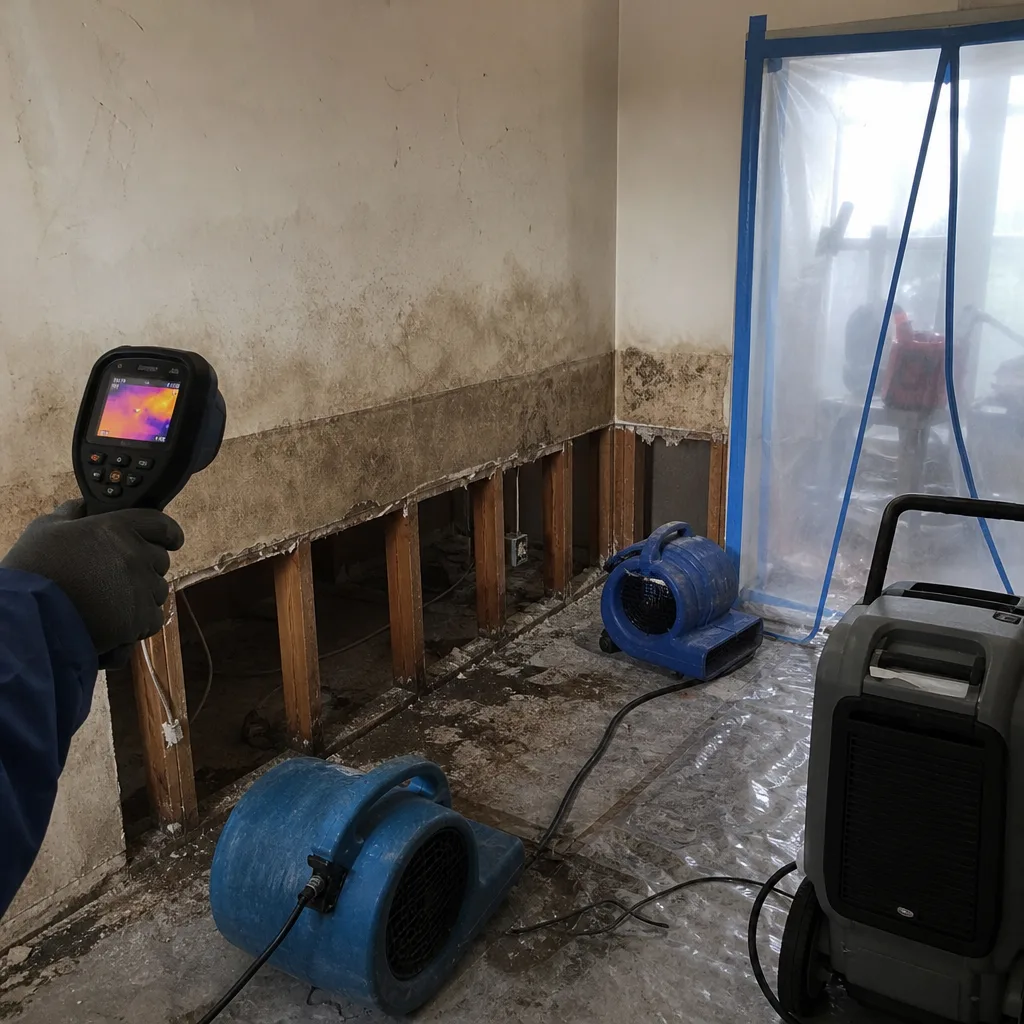 Before
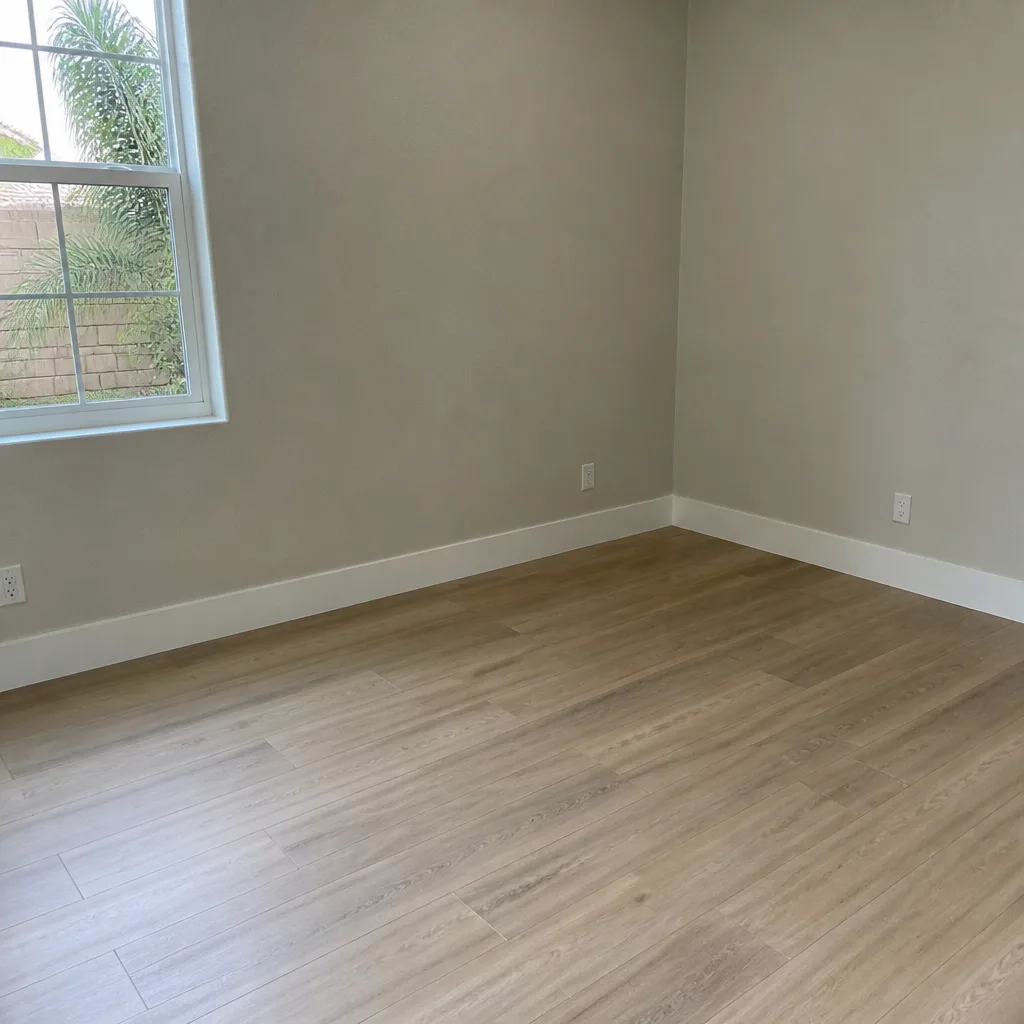 After
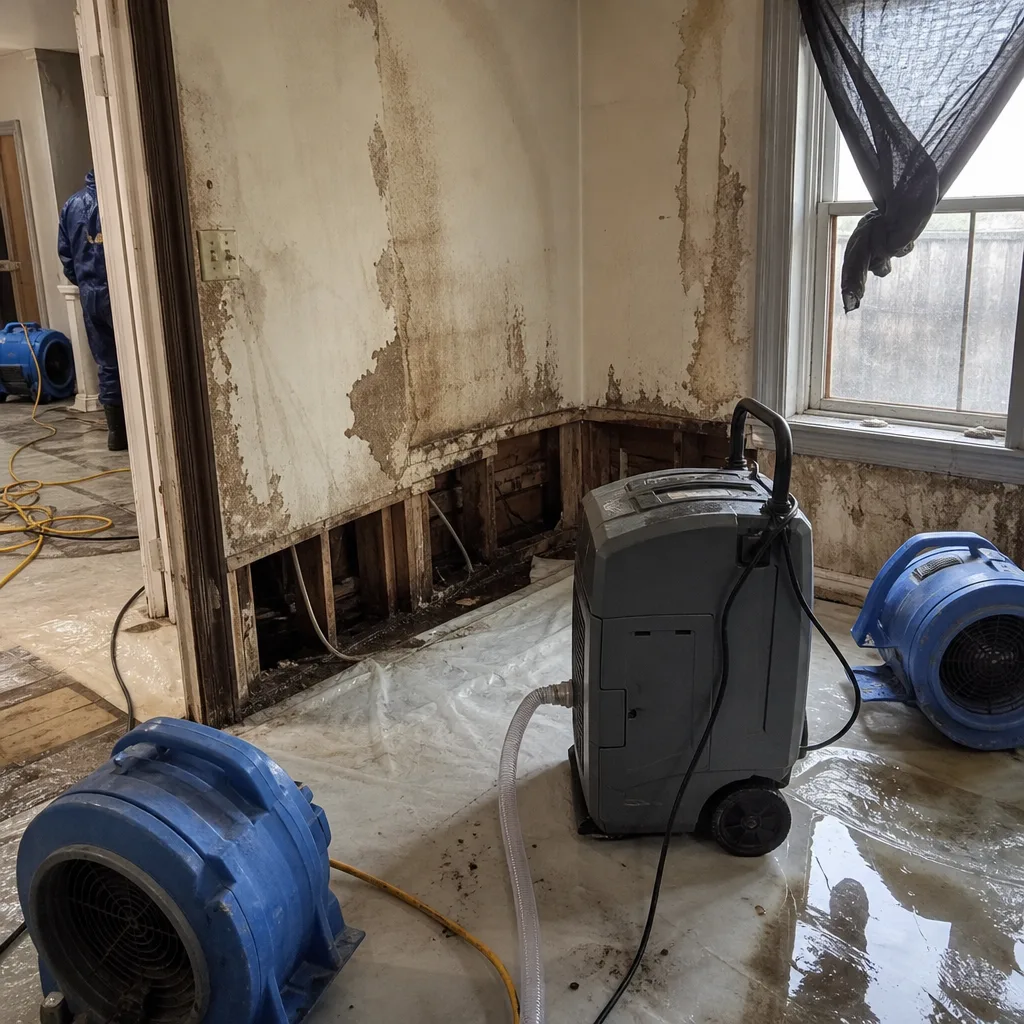 Before
 After
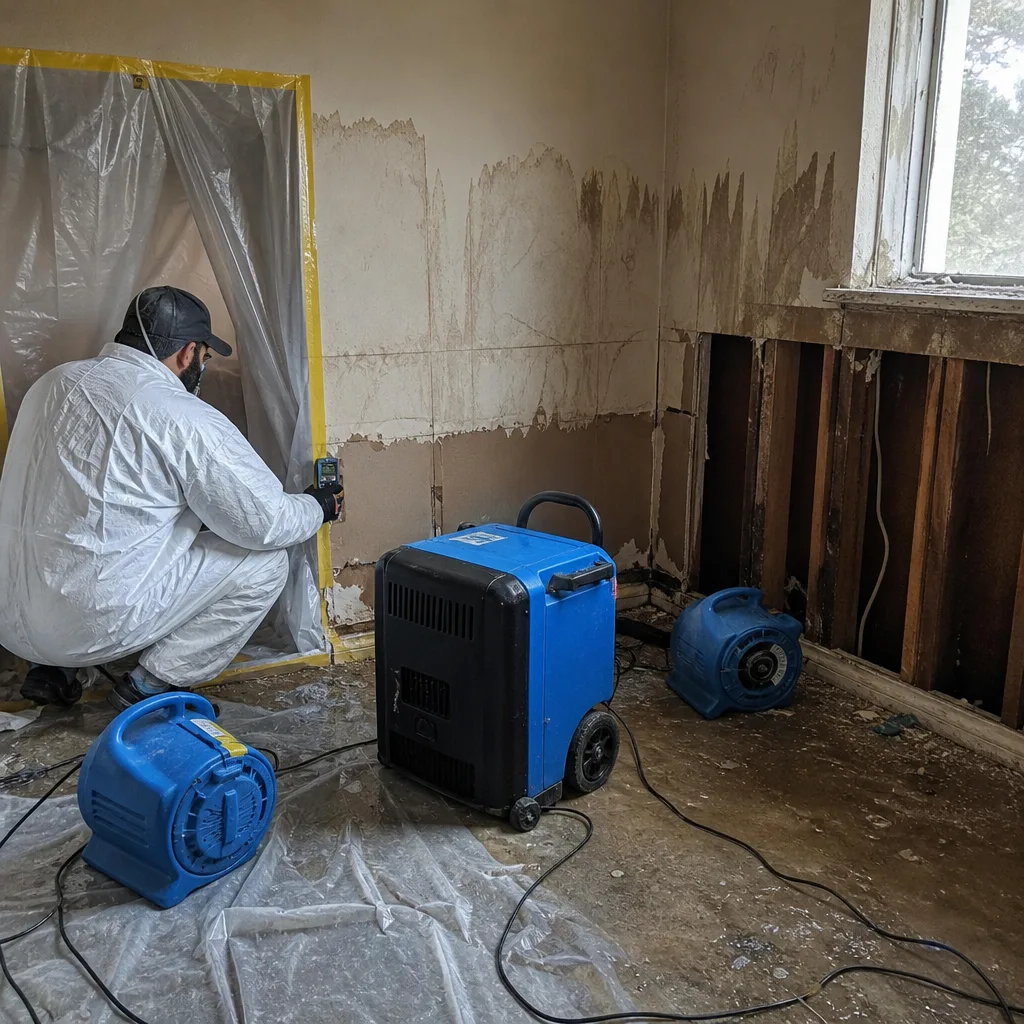 Before
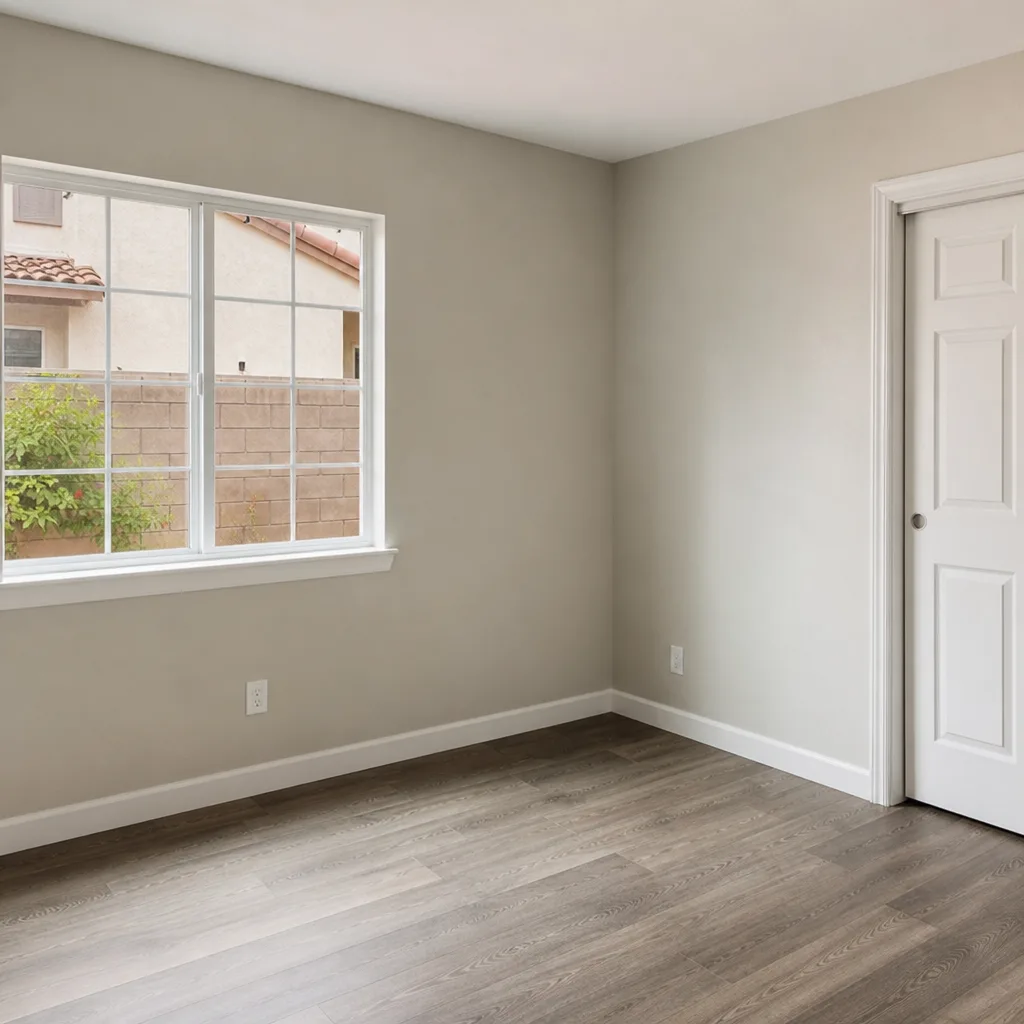 After
Frequently Asked Questions
The first signs of water damage inside a wall are typically not visible on the wall surface. They appear as a musty odor, a humidity increase in the room, or a slight softness when you press on the drywall. Visible staining, bubbling paint, or warping are later-stage indicators that mean moisture has been present long enough to saturate the gypsum core.
Water damage restoration costs in Murrieta vary widely based on the affected area’s size, the water category, and the drying time required. Small contained events from a supply line break in a single room often fall in a lower range, while slab leaks requiring concrete drying and flooring removal cost significantly more. Every job should start with a written scope and a moisture map, which is exactly what an IICRC-certified assessment provides before any work begins. Call (844) 643-8708 for a free estimate.
Yes, but rarely. A musty smell is caused by microbial volatile organic compounds, which means mold or bacteria are actively decomposing organic material somewhere in your home. The smell could also come from decaying material in an HVAC duct or a dead animal in a wall void, but both of those are also moisture-related and require professional removal.
For active water events, faster than most Murrieta homeowners expect. Water damage restoration companies in this area understand that every hour of standing water expands the damage footprint and the restoration cost. For non-emergency assessments of suspicious smells or moisture readings, scheduling within a few business days is typical and appropriate.
Most homeowner policies cover sudden and accidental water damage, including supply line breaks, appliance failures, and storm-related intrusion. Coverage for gradual leaks, seepage, or maintenance-related failures varies by policy and is often excluded or limited. Photo documentation, moisture mapping, and a written scope from a credentialed restoration firm are the strongest evidence you can provide to your adjuster regardless of your coverage specifics. Whitehall Water Damage works directly with insurance adjusters on Murrieta claims.
Fans move air across surfaces. They cannot extract water that has wicked into drywall, subflooring, or concrete. Professional drying requires commercial-grade airflow machines, LGR dehumidifiers, and moisture meters to verify that structural materials have returned to their dry standard. The reason restoration companies use equipment from manufacturers like Dri-Eaz and Phoenix is simple: those machines are engineered for structural drying in ways that household fans cannot replicate.
The Bottom Line
Murrieta homes sit on reactive clay soil, experience an inland climate with intense summer heat and occasional heavy winter rain, and are built with materials that hide moisture effectively. The result is that water damage in this area announces itself through subtle signals long before it becomes visible. A water bill that jumps 10% without explanation. A thermostat humidity reading that climbs and doesn’t come down. A door that starts sticking. A floor that’s slightly softer than it was last season. These are the real warning signs. Learn to read them, and you catch damage when it’s still a repair rather than a reconstruction. For ongoing protection, see our Seasonal Damage Restoration Care for Murrieta: Year-Round Homeowner’s Guide. When in doubt, call a credentialed professional for an assessment – the cost of that visit is trivial compared to the cost of ignoring the signal.
Written by the team at Whitehall Water Damage, serving Murrieta since 2015.
For immediate assistance with water, mold, or fire damage in Murrieta, call (844) 643-8708. We dispatch IICRC-certified technicians with commercial-grade drying equipment to assess your property and provide a written scope before any work begins.