
Last updated October 30, 2026
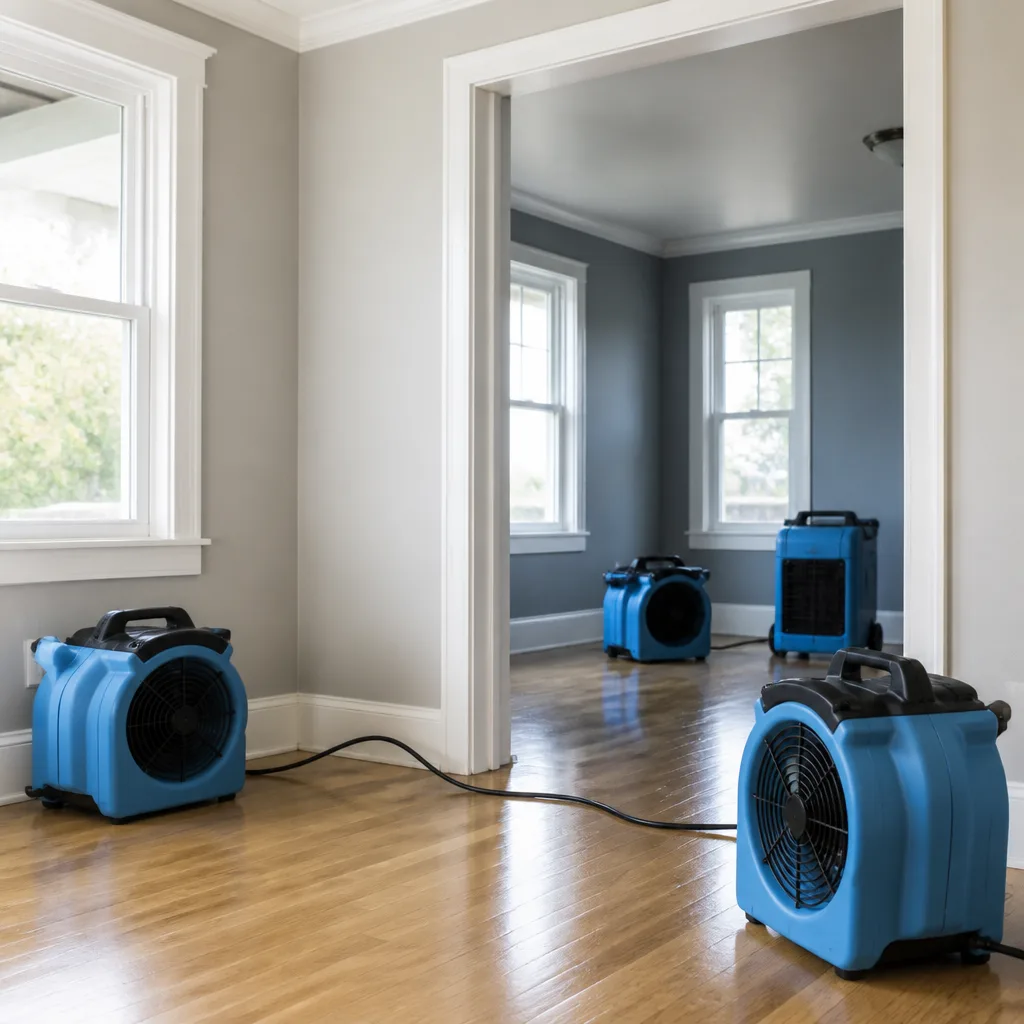 Water damage drying
 Fire & smoke cleanup
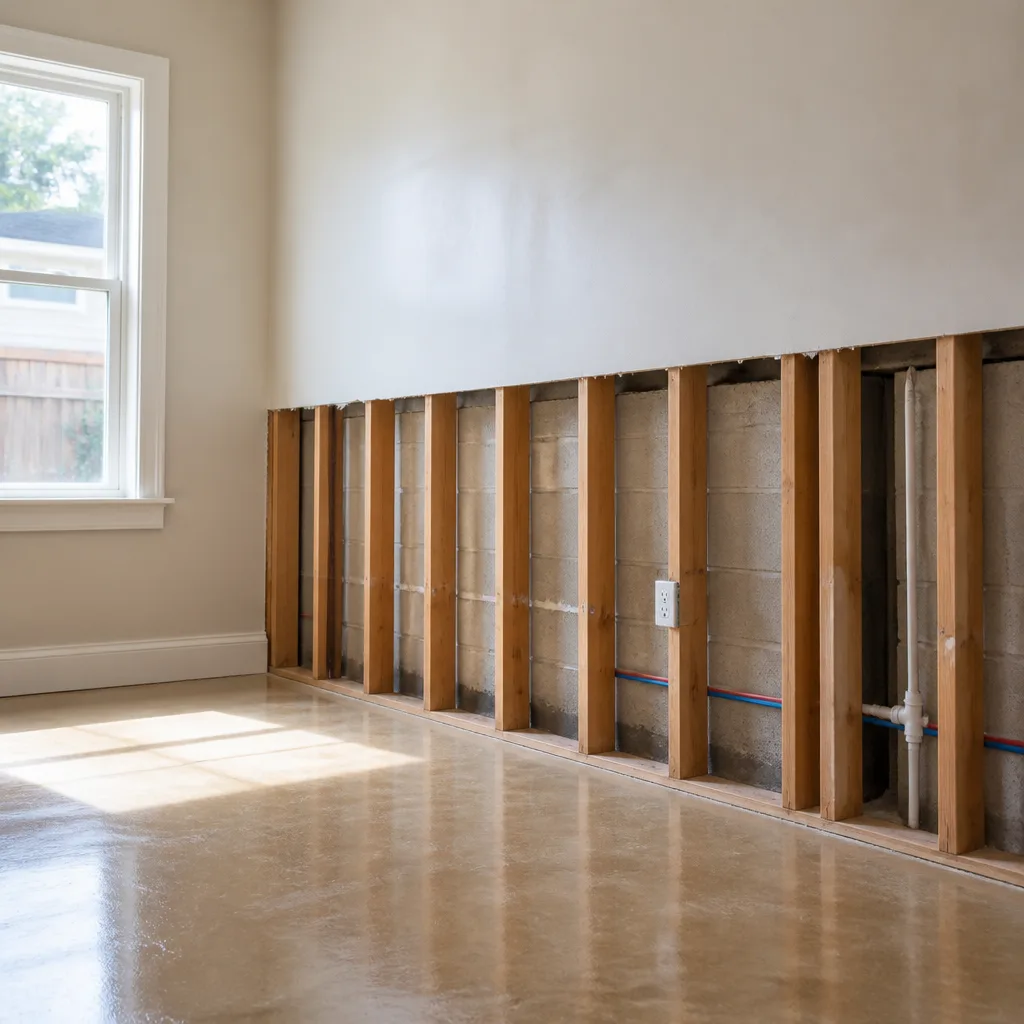 Mold remediation
 Storm response
 Sewage cleanup
 Reconstruction
Free visual inspection and a written scope of work before any mitigation begins - photos, moisture readings, and drying logs go in your claim file
The scope we write is the scope we bill. Anything new gets shown to you, in writing, before we touch it.
Get your free estimateDamage Restoration Emergency Preparedness Guide for Murrieta Homes
The three decisions a homeowner makes in the first 30 minutes of a water loss, whether to call their insurer, which contractor to authorize entry, and what to move or protect, have more impact on total claim outcome than anything that happens in the following 30 days. Murrieta homeowners who understand this get claims resolved faster, with less demolition, and with fewer disputes. This guide builds that decision infrastructure for Murrieta residents before an event occurs.
Restoration work we handle
Quick Answer
Water damage emergency preparedness for Murrieta homeowners means building a pre-event file with utility shutoff locations, your insurer’s emergency claims line, and a vetted restoration contractor’s number saved before water or fire ever strikes. The highest-impact preparedness action in Murrieta is documenting your shutoffs and knowing your immediate first-hour response protocol, not stockpiling supplies, as we explain in our DIY vs Professional Damage Restoration: The Murrieta Homeowner’s Decision Guide. Homes in Murrieta’s newer subdivisions face slab leaks and supply-line failures more than any other damage type, and the first 30 minutes of response determines whether that event becomes a controlled restoration or a multi-week rebuild.
Table of Contents
- The Murrieta-Specific Risk Map: What Actually Happens Here
- Building Your Pre-Event File: The One-Page Refrigerator Document
- The First 30 Minutes: Your Decision Sequence for Water Damage
- What to Tell Your Insurer in the First Call, and What Not to Say
- Phone Documentation Protocols That Support Your Claim
- Contractor Authorization: Understanding What You’re Signing
- Fire Damage Response: A Different First Hour
- Preventing the Cascade: Water to Mold in Murrieta’s Climate
- Common Mistakes to Avoid
- When to Call a Professional
- Frequently Asked Questions
- The Bottom Line
The Murrieta-Specific Risk Map: What Actually Happens Here
Murrieta’s damage profile differs measurably from coastal cities or older inland communities. The overwhelming majority of our restoration calls in Murrieta involve four specific events, and each has a distinct first-response protocol. Knowing which one you’re dealing with before you make your first call changes what you say, what you move, and who you authorize.
Slab leaks are the most common water damage source in Murrieta’s housing stock. Homes built in the 1990s and 2000s, which represent a large portion of Murrieta’s Copper Canyon, Central Park, and Greer Ranch neighborhoods, were plumbed with copper supply lines running through concrete foundation slabs. Copper in contact with Murrieta’s soil chemistry, which carries higher mineral content than coastal regions, degrades over decades. When a slab leak develops, the first sign is usually warm spots on flooring or an unexplained spike in the water bill. By the time water surfaces, it has often been migrating through the slab and into wall cavities for weeks.
Supply-line failures rank second. The braided stainless steel hoses under sinks, behind toilets, and feeding washing machines have a service life of 10 to 15 years. Murrieta’s hard water accelerates wear on the rubber gaskets inside those lines. When one fails, it releases full-pressure water at a rate of 6 to 10 gallons per minute. In 30 minutes, that’s 180 to 300 gallons across your floors, into baseboards, and through to whatever is below.
HVAC overflow is third, and it’s uniquely common in Murrieta’s summer months. Condensate drain lines clog with dust and algae, particularly during the long stretches when air conditioning runs continuously. When the line clogs, the drip pan overflows, and water moves through the ceiling or down through an interior wall chase. We see this most often in August and September when Murrieta temperatures peak.
Roof intrusion rounds out the top four. Murrieta’s winter rains are intense but intermittent. A minor roof breach, often at a valley or flashing point, may only leak during heavy downpours. The homeowner discovers it months later when ceiling staining appears or mold develops in attic insulation.
First-Response Protocol by Event Type
- Slab leak: Shut off the main water valve immediately. Do not attempt to use the affected area. Call your insurer’s emergency line, then a restoration contractor. Slab leaks require leak detection and often involve structural drying of wall cavities and flooring systems.
- Supply-line failure: Shut off the fixture valve if you can safely reach it. If the line is actively spraying, shut the main. Move electronics and valuables out of the water path. Document everything before moving saturated items.
- HVAC overflow: Turn off the HVAC system at the thermostat and breaker. Place a bucket or container under the active drip. Check the emergency drain pan. This is typically a smaller-volume event, but water through a ceiling means you need cavity inspection, not just surface drying.
- Roof intrusion: Contain the active drip with a bucket. Move furniture away from the wet ceiling area. If the ceiling paint is bubbling, water is pooling above. Do not puncture it. Call a restoration contractor who can assess the cavity and coordinate roof repair.
For any of these events in Murrieta, the correct sequence is: stop the water source, document, call your insurer, then call a restoration contractor. The order of the last two matters, and we’ll cover why in the insurer section below.
Building Your Pre-Event File: The One-Page Refrigerator Document
Preparedness is not about buying supplies. It’s about building a one-page document that lives on your refrigerator, or in a shared digital note on your phone, containing everything you need in the first 10 minutes of a damage event. The document should be built once, reviewed annually, and shared with every adult in the household. Here’s what belongs on it.
The Complete Pre-Event File
- Main water shutoff location with a photo. Take a photo today of your main shutoff valve where it enters the house, usually in the garage or an exterior wall in Murrieta slab-on-grade construction. Mark the photo with an arrow or annotation showing which way to turn it. The valve typically requires a quarter-turn for ball valves or multiple clockwise turns for gate valves. The photo eliminates the 3am uncertainty.
- Individual fixture shutoffs. Note the locations of shutoffs for each toilet, each sink, the washing machine, the water heater, and the dishwasher. Many Murrieta homes have individual shutoffs that are rarely touched and may be stuck. Know where they are and test them annually.
- Your insurer’s emergency claims line, not the general customer service number. The claims line is typically a 24-hour number printed on your declarations page. The general line routes through business hours and automated menus. Write down the claims line, your policy number, and the name of your agent or broker if you have one.
- A vetted restoration contractor’s name and number. This is the one most homeowners skip. You will not have time to research restoration companies while water is actively spreading. Save a contractor who operates in Murrieta, carries IICRC certification, and can dispatch to your address. For instance, Water Damage Restoration in Murrieta requires a certified team that follows documented protocols, not a general handyman service.
- Your electric panel location and a photo of the breakers. In a water event, you may need to cut power to an affected area. Knowing which breaker feeds which room saves precious time. Label the breakers if they aren’t labeled.
- Your gas shutoff location. In a fire event, shutting off gas is one of the first actions. The gas meter is usually on an exterior wall. Know where the shutoff wrench is, or keep an adjustable wrench accessible.
- Your roof age and any roof repair history. If you have had roof work done, note the contractor’s name and date. In a roof intrusion event, this information moves your claim forward faster.
This document costs nothing to build and takes 45 minutes on a Saturday. It is the single highest-ROI preparedness action available to a Murrieta homeowner. The Whitehall Water Damage home page has additional guidance on what certified restoration teams look for during initial assessment.
The First 30 Minutes: Your Decision Sequence for Water Damage
When water is actively spreading, your decision sequence determines the scope of the restoration. Here is the exact order of operations, derived from hundreds of Murrieta water damage events.
Step 1: Stop the Source (0-5 Minutes)
Shut off the water at the nearest fixture valve or the main. If you cannot locate the shutoff quickly, do not spend 20 minutes searching. Call your utility provider’s emergency line for an exterior shutoff, or have a family member help locate the valve while you move to step 2.
Step 2: Cut Power to the Affected Area (5-7 Minutes)
Water and electricity are a lethal combination. If water has reached outlets, power strips, or appliances, cut the breaker for that room. Do not enter standing water in a room with powered electronics. In Murrieta slab-on-grade homes, water moves quickly across concrete from one room to another, so cut power to any room downstream of the water path.
Step 3: Document Before You Move Anything (7-12 Minutes)
Take a video walkthrough before you start moving furniture or pulling up wet items. Your phone’s camera is the single most powerful claims tool you own. We cover the full documentation protocol in a section below, but the key rule is: document the scene as you found it, before you alter it.
Step 4: Move What Can Be Saved (12-25 Minutes)
Now move electronics, important documents, medications, and items of sentimental or high-dollar value out of the water path. Murrieta homes with engineered wood or laminate flooring will see those materials begin to swell within hours. Furniture sitting on wet flooring will wick moisture into the frame. Get it out or isolate it.
Step 5: Call Your Insurer’s Emergency Claims Line (25-30 Minutes)
File the claim now, not later. Insurers track the time between event onset and claim filing. A same-day filing with documentation demonstrates urgency and competence. The call itself should follow a specific script, covered next.
Step 6: Call Your Restoration Contractor
After filing the claim, call the restoration contractor you pre-vetted. The contractor arrives, begins extraction and drying, and documents everything in a format that supports the claim. This is the sequence: insurer first for claim filing, contractor second for immediate response. Delaying the contractor by 24 to 48 hours in Murrieta’s climate means mold germination has already begun, especially in summer when interior temperatures stay warm.
What to Tell Your Insurer in the First Call, and What Not to Say
The first call to your insurer sets the tone for the entire claim. What you say, and crucially what you avoid saying, preserves your claim optionality without crossing into misrepresentation.
Say This:
- “I have water damage at my home at [address]. The source appears to be [slab leak / supply line failure / HVAC overflow / roof leak].” Be factual about what you observed, not what you assume.
- “I have documented the scene with video and photos.” This signals that you are organized and that there is a record the adjuster will see.
- “I have shut off the water at the main.” Demonstrates that you took mitigating action immediately.
- “Water is actively spreading” or “the water is shut off and damage is contained.” Accurate status reporting.
- “I need an emergency claims number and the name of the adjuster assigned to my claim.” Ask for both. The emergency number is for after-hours situations; the adjuster name is for follow-up.
Do Not Say This:
- “This is probably a small issue.” You do not know that. Water that looks contained on the surface has often migrated into wall cavities and under flooring. Minimizing the damage in the first call can lead to a lower initial reserve and a more contentious adjustment later.
- “I don’t know if this is worth filing a claim over.” File the claim. You can always withdraw it if the damage is truly minor, but failing to file timely can jeopardize coverage.
- “I’ll wait to see how bad it gets.” Waiting is the enemy of both restoration and claim success. Moisture spreads, and the insurer may question why you failed to mitigate promptly.
- Anything speculative about cause. Stick to what you observed. If you suspect a manufacturer defect or contractor error, let the adjuster and restoration professional document their findings. Your speculation on a recorded line can create complications.
The insurance carrier’s interest is resolving the claim within policy terms. Your interest is full restoration of your home. Clear, factual, timely communication serves both interests. When the restoration contractor arrives, ask them to document in the same format the adjuster will expect. Teams working to IICRC S500 standards for water damage produce documentation that aligns with what adjusters review, a process covered in detail under Damage Restoration Permits, Codes & Inspections in CA: What You Need to Know.
Phone Documentation Protocols That Support Your Claim
Your smartphone camera is the most important tool in the first hour of a Murrieta water damage event. But most homeowners document in a way that undermines rather than supports their claim. Here is the protocol, developed from watching adjusters review hundreds of homeowner files.
The Video Walkthrough (Do This First)
- Start at the front door and narrate continuously. Say the date, time, and address out loud. Say “I am now in the hallway leading to the kitchen. The water appears to be coming from under the sink.” The narration creates a timestamped record that metadata alone cannot provide.
- Film the water source before the affected area. If you can see the source, film it first. Then pan slowly to the spread. This establishes what you observed at the moment of discovery.
- Film at floor level. Water damage is a flooring and baseboard problem. Film along the floor line to capture where water has reached. Pan up to show wall saturation, particularly around door frames and baseboards.
- Do not stop to move things. The first video is the as-found record. Moving items before documenting gives the insurer’s adjuster an incomplete picture of what was damaged.
Still Photos (Do This Second)
- Take close-up photos of the water source, the immediate area, and any visible damage.
- Photograph water stains, bubbling paint, warped flooring, and swollen baseboards.
- Photograph any items that are wet, including electronics, furniture, and personal property. Do not discard anything until the adjuster or restoration team has documented it.
- Take a photo of your water meter if you have access, showing the reading. This supports slab leak claims by demonstrating the volume of water loss.
Metadata Preservation
Do not edit, crop, or filter any photos. Do not move them through cloud services that strip metadata. The original file contains date, time, and often location data that adjusters use to verify the timeline. If your phone prompts you to compress photos when backing up, disable that setting for claim photos.
Professional restoration teams photograph everything with the same rigor. We document extraction, drying chamber setup, moisture readings, and final clearance. The homeowner’s photos establish the as-found condition. The contractor’s photos establish the restoration process. Together, they create a complete record.
Contractor Authorization: Understanding What You’re Signing
When a restoration contractor arrives at your Murrieta home, you will be asked to sign documents. The two most important are the Authorization to Proceed and the Direction to Pay. Understanding what these forms commit you to legally is the difference between controlling your claim and giving away your leverage.
Authorization to Proceed
This form authorizes the contractor to begin work. It typically includes a scope of work, an initial estimate, and terms for payment. By signing, you commit to paying for the work described in the scope. The key phrase is “work described in the scope.” Read the scope. If the scope is vague, like “water damage restoration as needed,” ask for specificity. What areas will be dried? What equipment will be deployed? What demolition, if any, is anticipated?
A legitimate restoration contractor will provide a written scope before starting work. Teams working to IICRC standards document the affected areas, proposed drying plan, and equipment list before extraction begins. This is a written scope, agreed before work starts, not a blank check.
Direction to Pay
This form instructs your insurer to pay the contractor directly for covered work. It is commonly required by restoration companies because it guarantees payment from the claim. What it does not do is assign your claim rights or commit you to anything beyond the scope of work. You retain control over the claim; you are simply directing the insurer on payment logistics.
The critical protection: do not sign a Direction to Pay unless you have already filed your claim and have a claim number. The Direction to Pay should reference that claim number. This ensures the insurer is in the loop before payments are directed.
Emergency Access Without Surrendering Control
In true emergencies, where water is actively spreading or structural safety is at risk, you may need to grant access before the full scope is written. The proper way to do this is to sign a limited authorization for emergency mitigation only, extraction, water source shutoff, temporary power cut, then pause pending full scope approval. This gets the emergency response moving without committing you to a complete restoration contract before the adjuster has reviewed the damage.
In our experience in Murrieta, the strongest claims are those where the homeowner filed the claim first, had the contractor arrive second, and the contractor’s documentation directly supported the adjuster’s review. The claims that get messy are those where the contractor arrived first, started work, and the insurer then questioned the scope or pricing. The sequence matters.
Fire Damage Response: A Different First Hour
Fire damage in Murrieta homes follows a different protocol than water damage. The first hour is about safety and securing the property, not mitigation. Here is the sequence.
Step 1: Confirm the Fire Is Out and the Scene Is Safe
Do not re-enter the home until the fire department has cleared it. Fire-damaged structures can have compromised framing, unseen hot spots, and hazardous air. The fire department will tell you when entry is permitted.
Step 2: Contact Your Insurer Immediately
Fire claims receive priority handling. Call your insurer’s claims line the same day. The insurer will typically dispatch an adjuster quickly and may arrange for emergency board-up and tarping.
Step 3: Secure the Property
Fire-damaged homes are vulnerable to weather and intrusion. Board-up of broken windows, tarping of roof breaches, and fencing of dangerous areas prevent secondary damage. Your insurer will usually coordinate this, but if they are slow, a restoration contractor can secure the property and bill through the claim.
Step 4: Document Everything Before Demolition
Fire restoration involves significant demolition: removal of charred framing, drywall, insulation, and contents. Document everything before demo begins. The restoration contractor should produce a full photographic inventory and a contents list, separating salvageable items from destroyed items. This documentation drives the personal property portion of your claim.
Step 5: Understand the Restoration Sequence
Fire restoration follows a specific order: emergency board-up, water extraction from firefighting efforts, smoke and soot cleaning, odor control, demolition, structural drying, and reconstruction. The water damage from firefighting is often more destructive than the fire itself. A team that handles both water and fire in-house, working to IICRC S500 for water and S700 for fire, manages the complete sequence without handoffs. See our Fire Damage Restoration in Murrieta guide for the full process.
Preventing the Cascade: Water to Mold in Murrieta’s Climate
Murrieta’s climate creates specific mold risks that differ from coastal Southern California. The inland heat means interior spaces warm up quickly after water intrusion, and warm temperatures accelerate mold germination. The critical window is 24 to 48 hours. If building materials remain wet beyond that window in a warm home, mold colonization begins.
The cascade scenario we see repeatedly in Murrieta: a slow slab leak goes undetected for weeks. Water migrates through the slab, wicks into wall framing, and creates a hidden moisture source behind baseboards. The homeowner notices a musty smell but dismisses it. Months later, mold is discovered during a remodel or a health symptom prompts investigation. By that point, the mold remediation is a far larger project than the original leak repair.
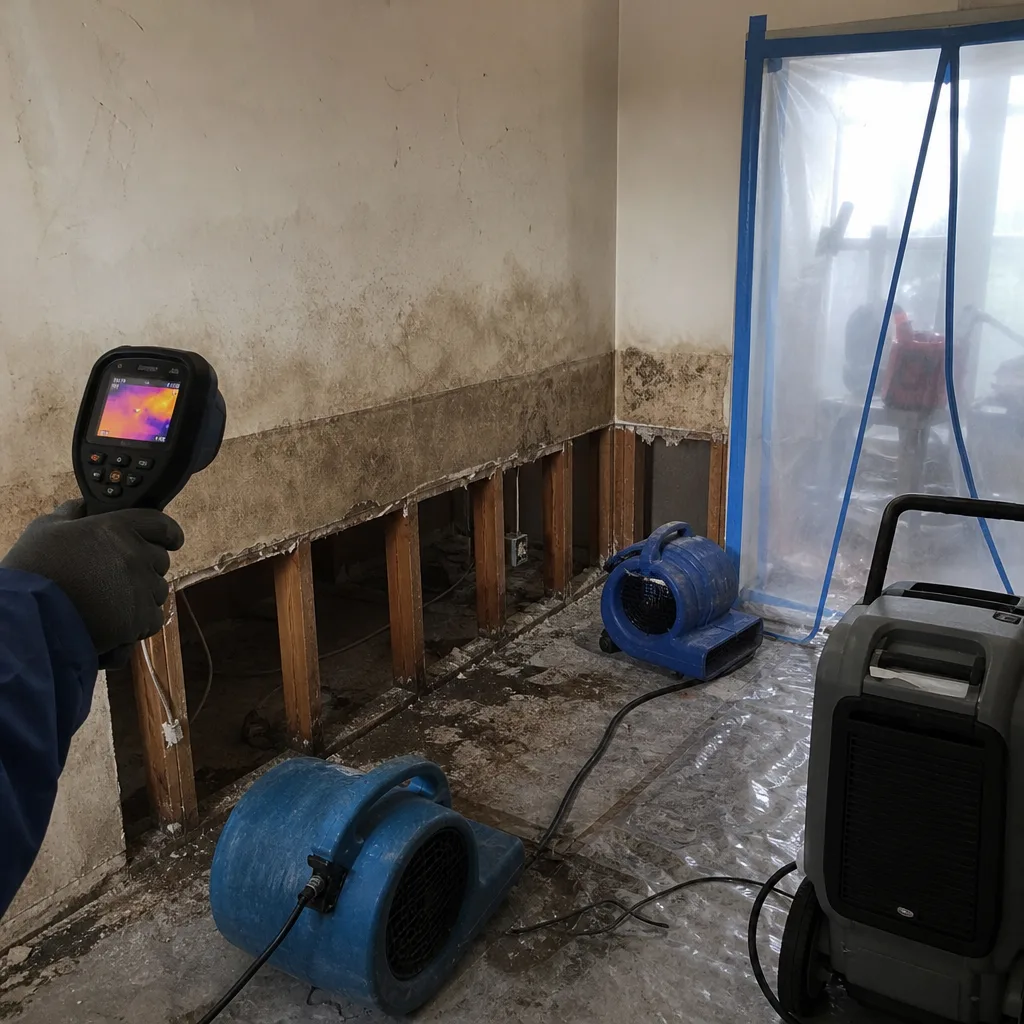
The prevention is straightforward: after any water event, verify that structural materials are actually dry, not just dry to the touch. Moisture meters read the moisture content inside drywall, studs, and subflooring. A professional restoration team using IICRC S500 drying protocols and S520 mold remediation standards can confirm structural dryness before closing walls. Equipment from Dri-Eaz and Phoenix measures moisture in real time during the drying process, producing a documented drying curve that proves when materials reached acceptable moisture content.
In-place drying with Injectidry systems is the primary tool for wall cavities and subfloors. Rather than demolishing drywall and pulling flooring, Injectidry creates negative air pressure inside cavities, drawing dry air through the wet materials. This preserves finish surfaces, reduces reconstruction cost, and shortens the time from water event to dry structure. For Murrieta homeowners, the difference is typically measured in days of drying time and thousands of dollars in avoided demolition.
If you suspect mold, see our Mold Remediation in Murrieta page for what remediation actually involves and when professional assessment is required.
Common Mistakes to Avoid
- Waiting to see how bad it gets before calling anyone. In Murrieta’s warm interior temperatures, a water event that sits for 48 hours has already begun mold colonization in porous materials. The “wait and see” approach converts a drying project into a remediation project.
- Calling a general handyman instead of a restoration contractor. Handymen do not carry commercial-grade drying equipment or moisture meters. They cannot verify structural dryness. What they can do is mop up visible water and leave hidden moisture in wall cavities.
- Discarding damaged items before the adjuster sees them. The adjuster needs to see the damaged items to value the claim. Piling everything in the garage is fine; sending it to the landfill is not. If items must be removed for safety, photograph them thoroughly first.
- Signing a Direction to Pay without a written scope. This is the single most common homeowner vulnerability in Murrieta restoration claims. The Direction to Pay form should always reference a specific scope of work and a claim number. Without both, you are directing payment for work you have not defined.
- Using the wrong shutoff method for the valve type. Quarter-turn ball valves and gate valves operate differently. Forcing a gate valve can break it. Knowing which type you have, and which way to turn it, is the difference between a 30-second shutoff and a broken valve with full-pressure water.
- Running HVAC during or after a water event. In HVAC overflow situations, running the system spreads water through ductwork and into additional rooms. Turn the system off at the thermostat and breaker until the condensate line is cleared and the drain pan is inspected.
- Assuming a small stain means a small problem. A one-foot ceiling stain often represents a much larger pool of water above the drywall. The stain you see is just where the water finds a path through the ceiling material. The actual wet area is typically two to four times larger.
When to Call a Professional
Call a restoration professional immediately when water has reached flooring, baseboards, or wall cavities, not just surface tile. If water has been present for more than 24 hours, call immediately. If you smell must or see discoloration on walls, ceilings, or baseboards, call before the problem compounds. If the damage involves a slab leak, roof intrusion, or HVAC overflow, call rather than attempting DIY drying, because these events require cavity inspection that is only possible with professional moisture meters and drying equipment. For fire damage, call the moment the fire department clears re-entry. Whitehall Water Damage offers free estimates in Murrieta and dispatches IICRC-certified professionals who work to published restoration standards rather than guesswork, and you can find more guides & resources on our blog. Call (844) 643-8708.
Frequently Asked Questions
Most Murrieta homeowners can get a restoration team on site within 60 to 90 minutes of the first call, with same-day emergency response as the standard operating procedure for active water events. The exact arrival time depends on the time of day and the number of active events in the area, but emergency water extraction is prioritized because every hour of standing water expands the affected area and complicates the claim. Call (844) 643-8708 and a Murrieta-based crew will dispatch immediately.
Most Murrieta homeowners’ policies cover sudden and accidental water damage, such as a supply-line failure or an HVAC overflow, but they do not cover gradual damage from a long-term leak or lack of maintenance. The distinction matters: a slab leak that has been active for months may be partially denied under the gradual damage exclusion. Work with a restoration contractor who documents the damage in adjuster-ready format, so your claim reflects the actual scope regardless of how the adjuster classifies the event.
You need professional drying when water has reached porous materials like drywall, subflooring, or baseboard cavities. Home fans and dehumidifiers dry surface moisture but cannot pull water from wall cavities or under flooring. The moisture you cannot see is where mold grows, and in Murrieta’s warm interior conditions, that growth begins within 48 hours. Professional teams using commercial equipment from Dri-Eaz and Phoenix, and Injectidry cavity drying systems, reach those hidden spaces.
You deal with your adjuster directly, but your restoration contractor should produce documentation in the format adjusters expect. The contractor’s moisture readings, drying logs, and photo documentation go directly to your adjuster. The contractor also provides the scope and estimate that the adjuster reviews. A restoration team experienced in Murrieta claims knows what the major carriers require and prepares the file accordingly.
Slab leaks in homes with copper supply lines running through concrete foundations are the most common water damage event we see in Murrieta. The home inventory here was heavily built in the 1990s and 2000s with this type of plumbing, and those lines have now reached the age where pinhole leaks and full ruptures are common. The water bill spike and warm spots on flooring are the early indicators that most homeowners miss.
Structural drying using professional equipment typically takes 3 to 5 days in Murrieta’s climate, but full restoration including repairs and reconstruction can take 2 to 6 weeks depending on the extent of demolition, the materials affected, and the adjuster’s timeline. The drying phase is the urgent part. Repairs and reconstruction scheduled after adjuster approval. Call (844) 643-8708 for a free estimate on your specific situation.
The Bottom Line
Murrieta homeowners face a specific set of damage risks: slab leaks, supply-line failures, HVAC overflows, and roof intrusions. The difference between a controlled restoration and a multi-week rebuild is decided in the first 30 minutes, not the following 30 days. Build your pre-event file now, with shutoff locations, your insurer’s claims line, and a vetted contractor’s number. Document before you move anything. Call your insurer first, your contractor second. And require a written scope before any work begins. The infrastructure you build today is what you execute under stress later. Whitehall Water Damage holds IICRC, RIA, and IFA credentials and operates professional-grade drying equipment on every job in Murrieta. When you need us, we’re already prepared, because preparedness is the whole job.
Written by the team at Whitehall Water Damage, serving Murrieta since 2015.
See the difference
 Before
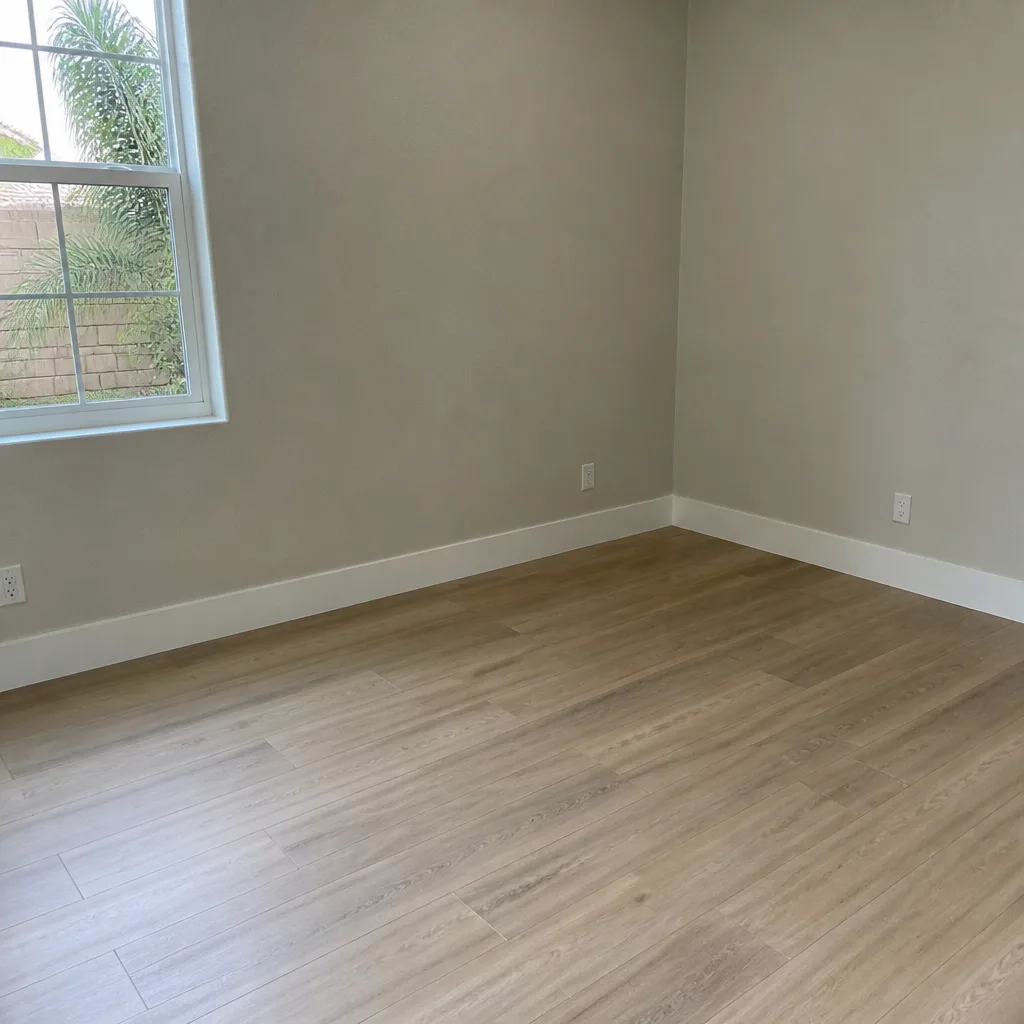 After
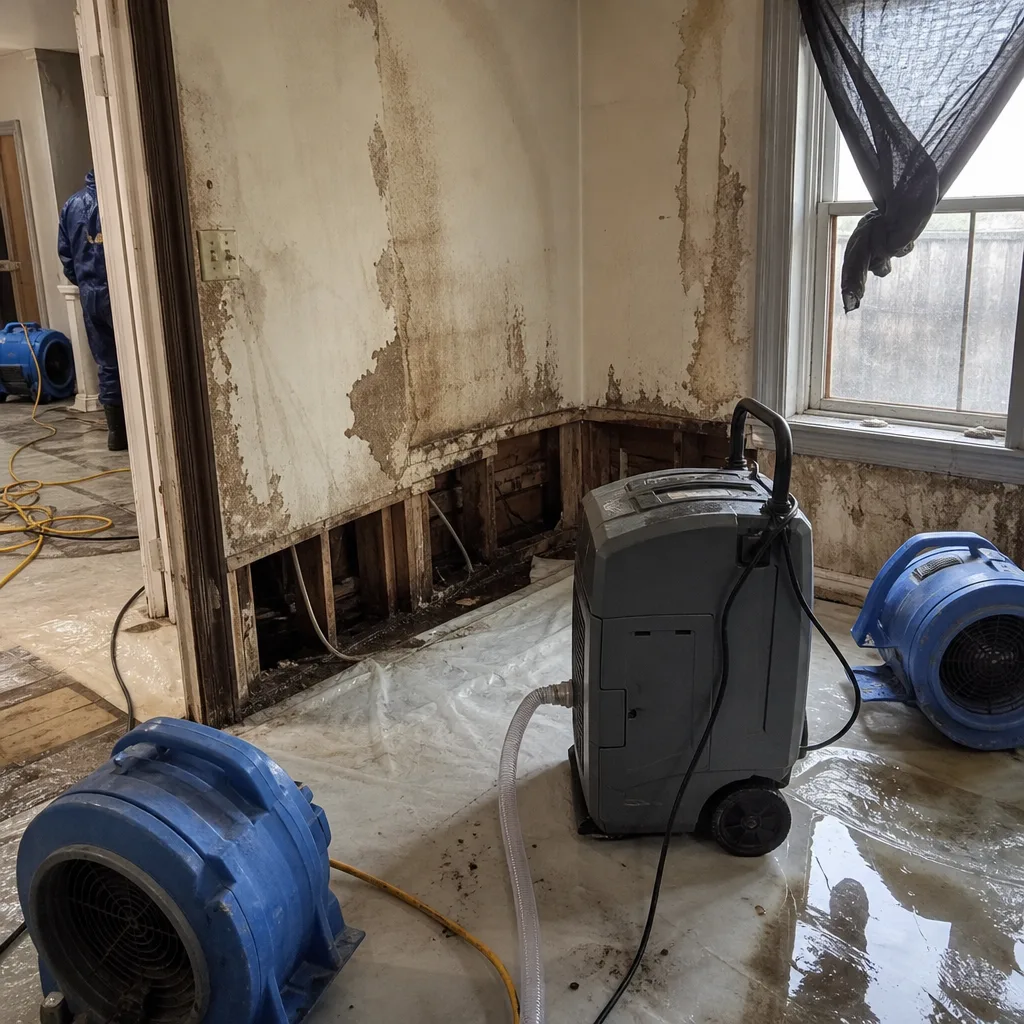 Before
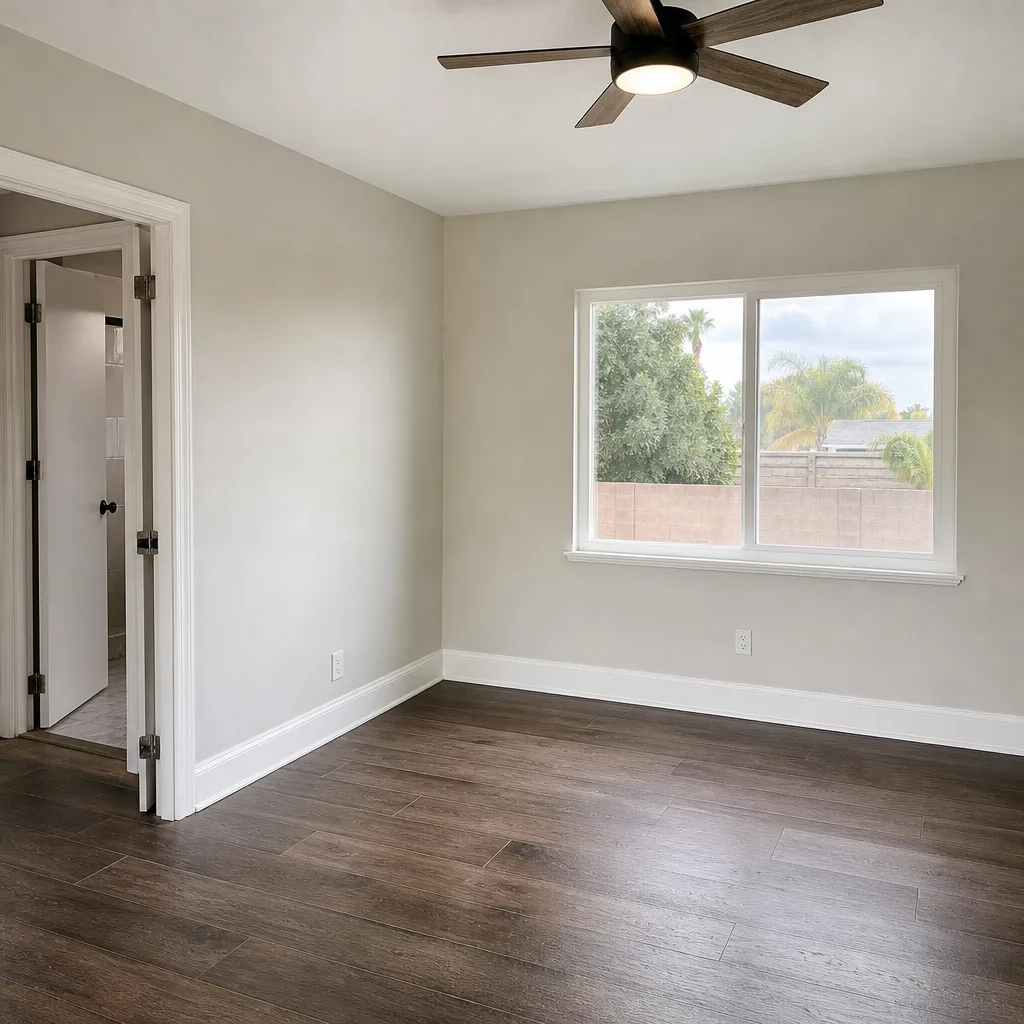 After
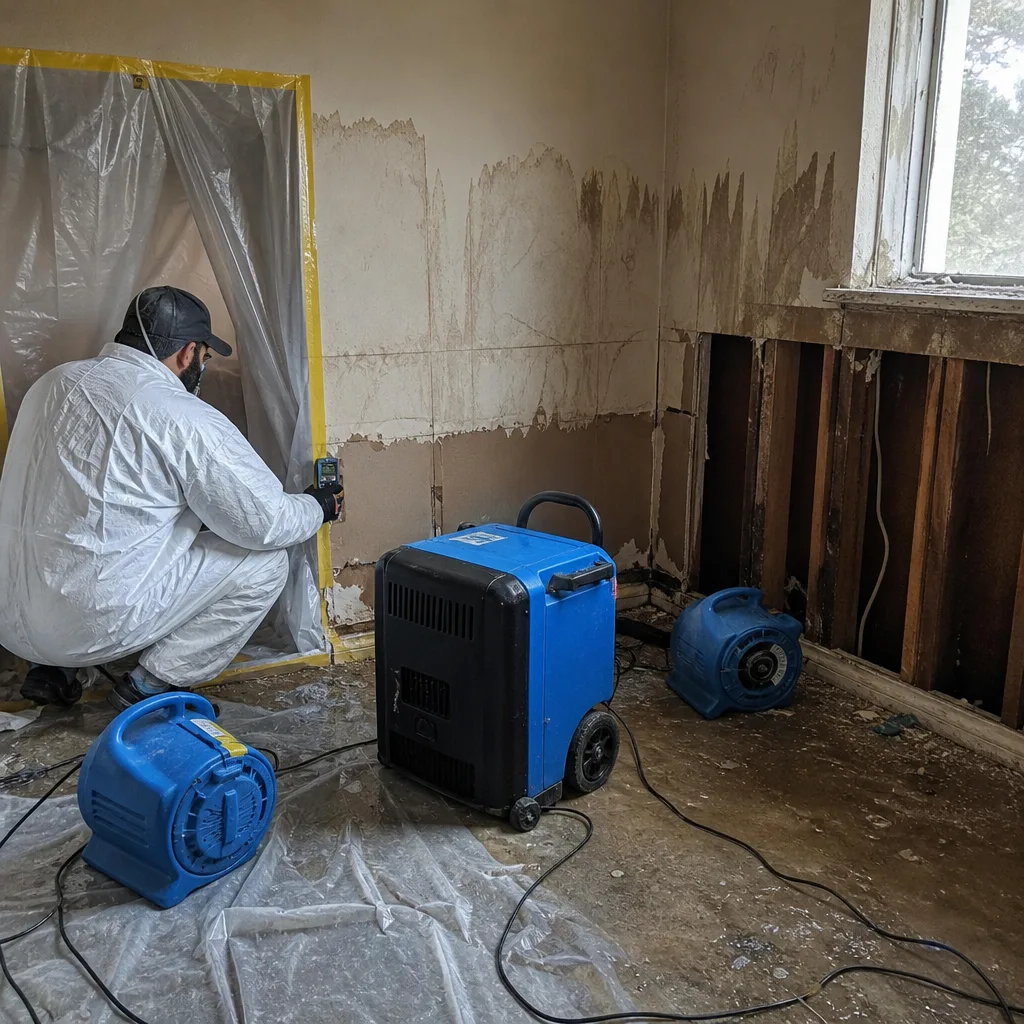 Before
 After