 Water damage drying
 Fire & smoke cleanup
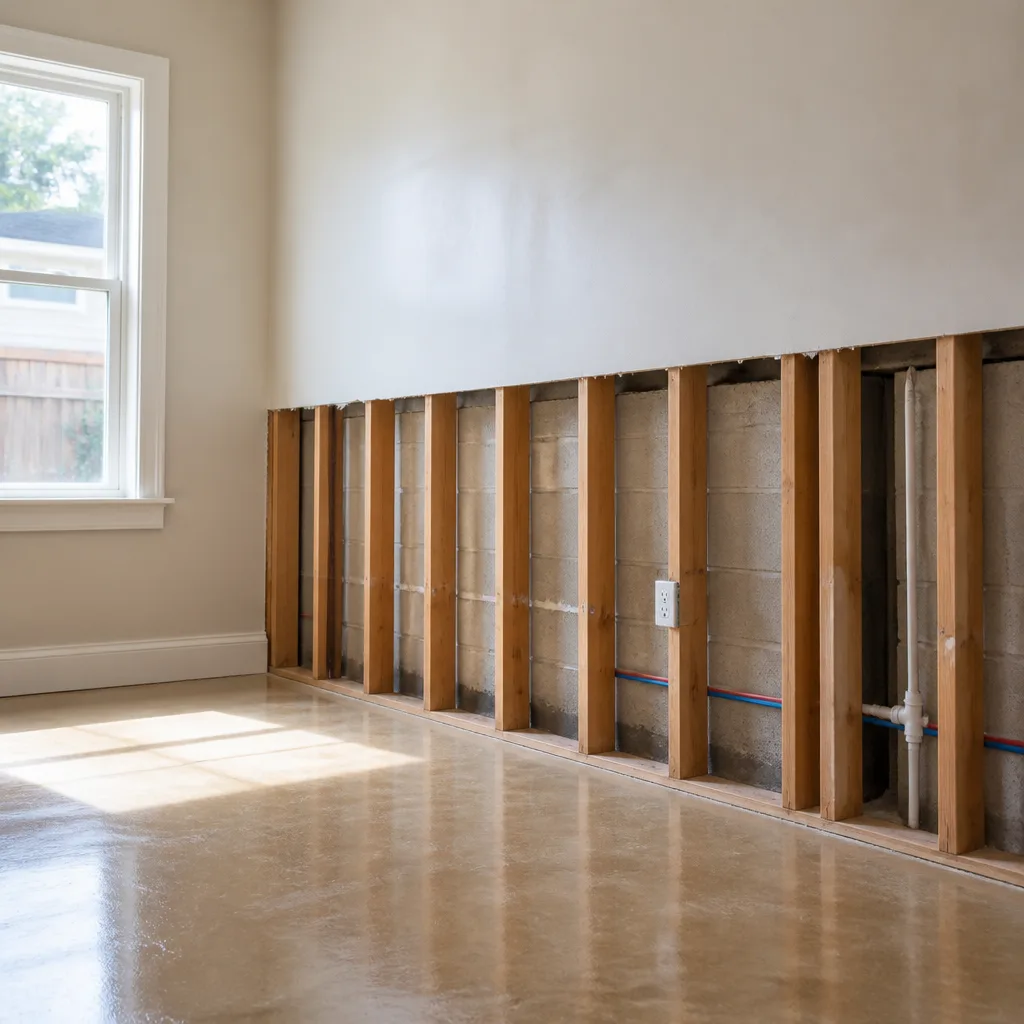 Mold remediation
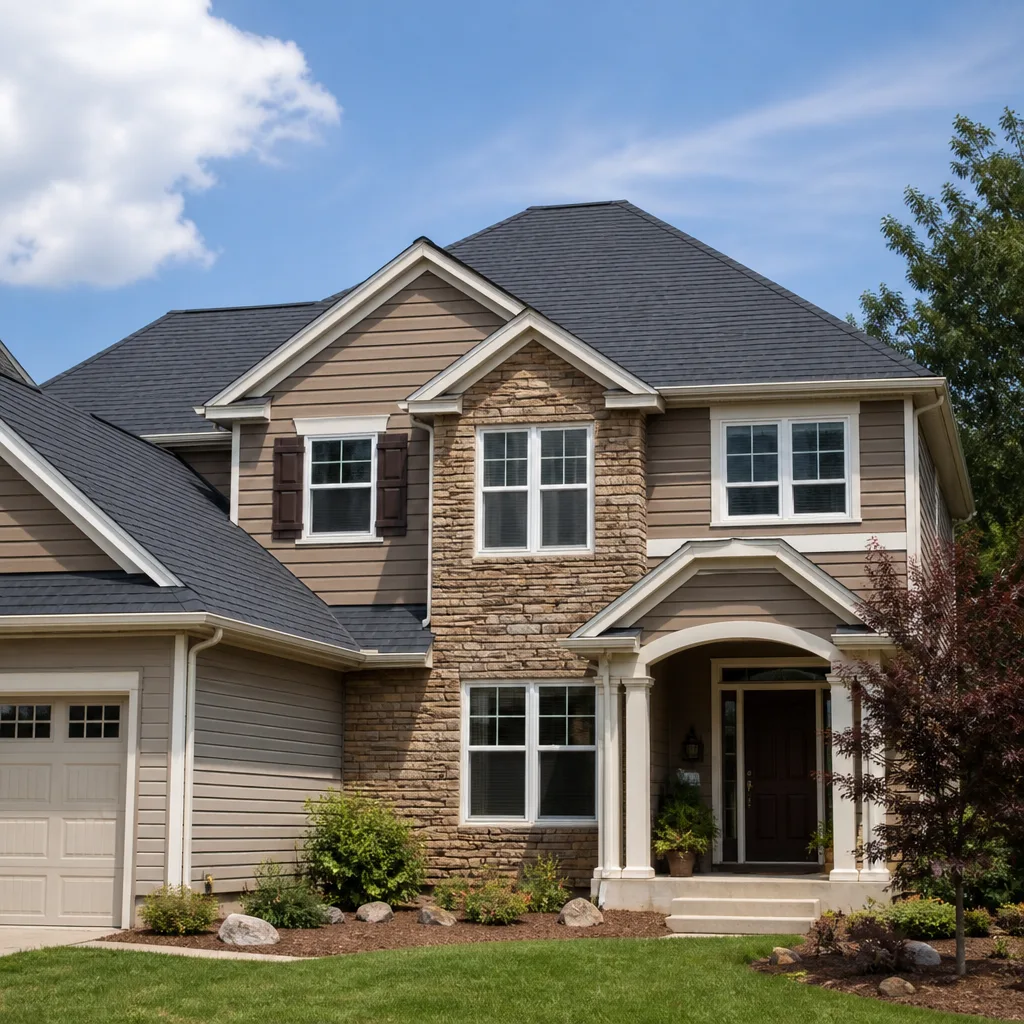 Storm response
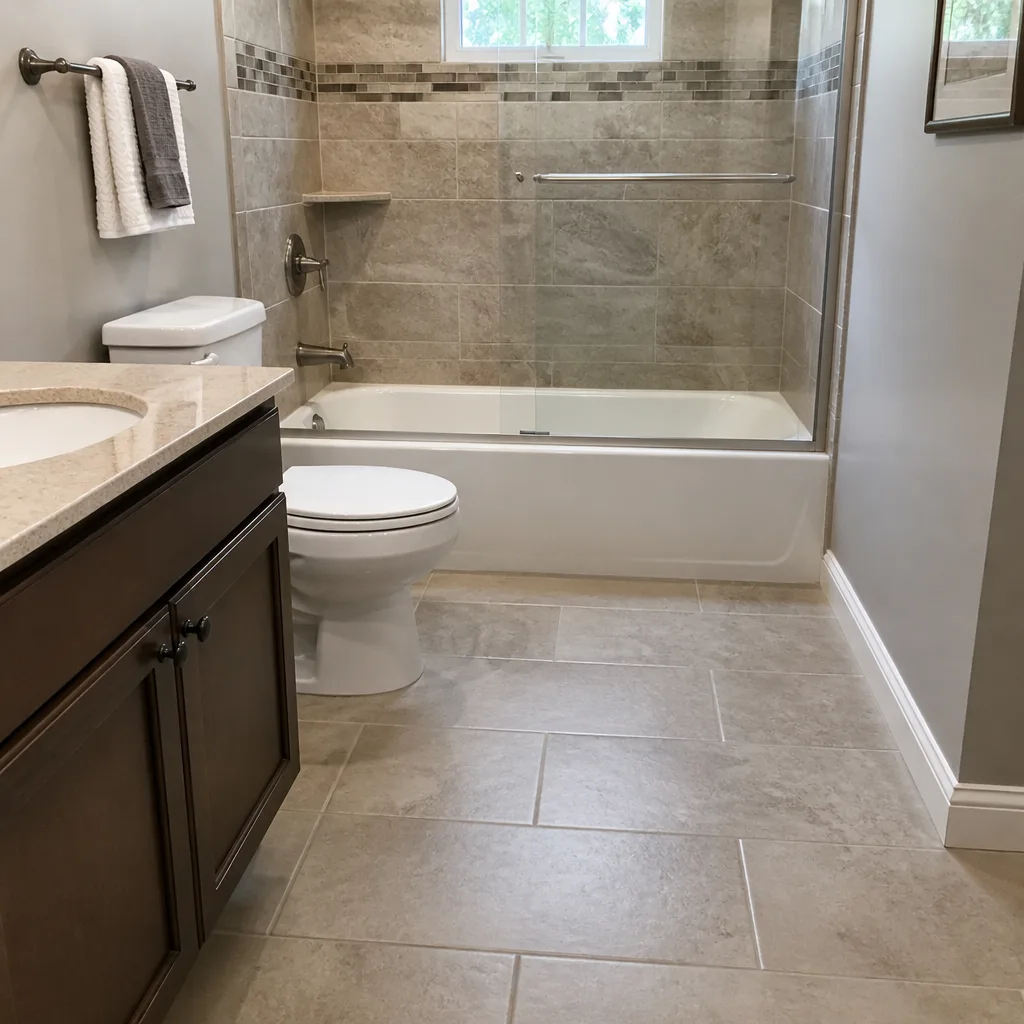 Sewage cleanup
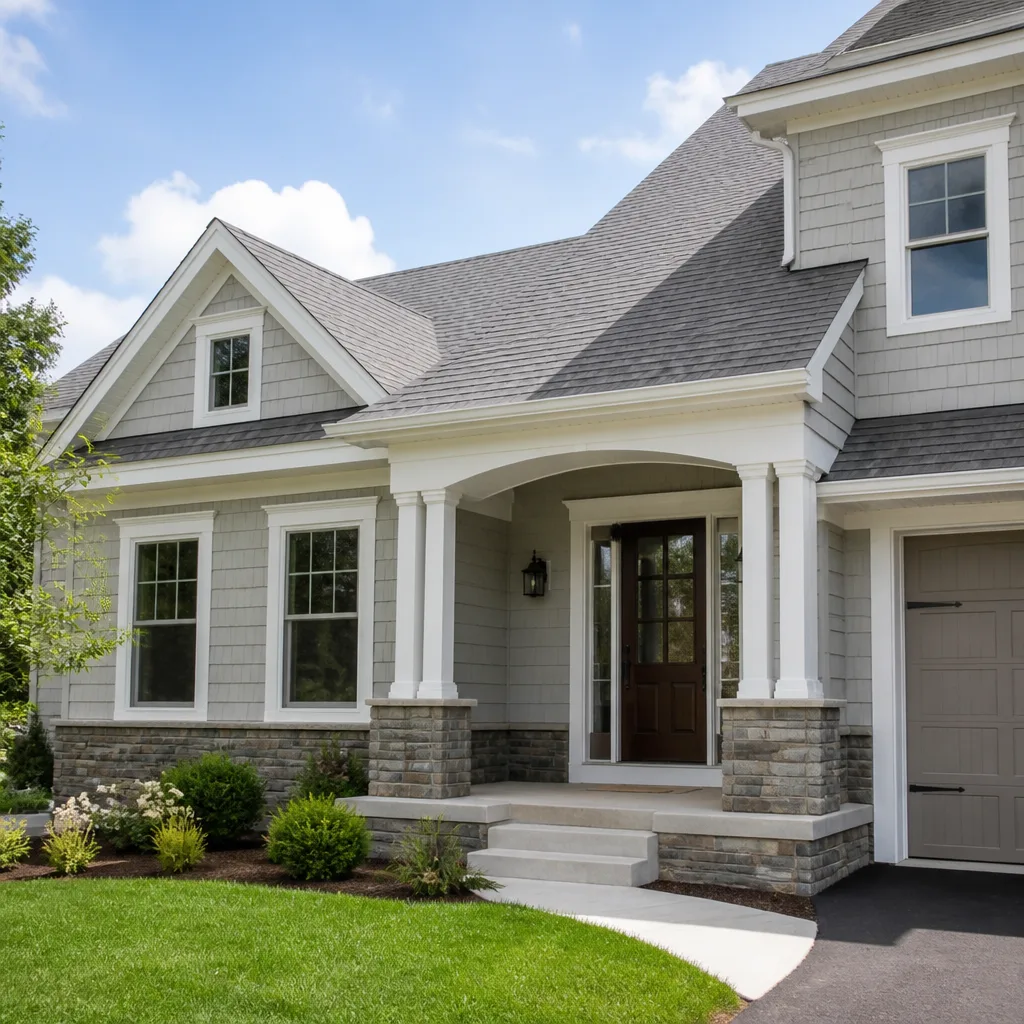 Reconstruction
Free visual inspection and a written scope of work before any mitigation begins - photos, moisture readings, and drying logs go in your claim file
The scope we write is the scope we bill. Anything new gets shown to you, in writing, before we touch it.
Get your free estimateFast, Reliable Water Damage Restoration Across Mead Valley
Water damage restoration in Mead Valley typically runs $1,200 – $4,800 for extraction and structural drying, with well-system failures and septic backups among the most common triggers we respond to. That’s the honest range for this market, and it reflects something most generic restoration pages miss: Mead Valley homes aren’t on municipal water. When a pressure tank bursts or a well pump fails on a 2-acre lot off Alexander Street, the water doesn’t announce itself. It spreads across a slab foundation, wicks into stucco walls, and starts growing mold within 24 – 48 hours. Our IICRC-certified technicians get to Mead Valley quickly, and we know what to look for before we even unload the truck. If you’re standing in water right now or just found a wet wall, call (844) 643-8708. We’ll walk you through the first steps and dispatch a crew.
Why Whitehall Water Damage Is Mead Valley’s Preferred Water Damage Restoration Company
We’re not the nearest franchise to Mead Valley, but we’re the one that built its reputation here on well and septic knowledge. Local property owners call us because we don’t waste the first hour tracing a municipal main that doesn’t exist. We coordinate directly with well contractors and septic service companies, which matters when a pressure tank has been pouring water into a slab for six hours. Our Water Damage Restoration team carries moisture mapping equipment that reads deep into slab-on-grade assemblies, not just surface dampness. That’s the difference between drying a home correctly and handing a homeowner a mold problem 30 days later.
Nolan Beckett, who leads our restoration crews, has kept the standard simple: perform every job to the published IICRC S500 water damage guidelines, document everything, and treat the homeowner’s insurance claim like a professional record, not an afterthought. The response time to Mead Valley is fast enough that we’re typically on-site and starting extraction before mold has a chance to take hold, even on homes at the far end of dirt driveways. The reviews from Mead Valley customers tell the same story: crews that knew what a well system looks like, didn’t oversell demolition, and left drying logs the adjuster accepted without argument.
Restoration work we handle
Water Mitigation in Mead Valley
Water mitigation in Mead Valley usually means stopping an active water source, extracting what’s already pooled, and getting professional drying equipment running before secondary damage sets in. On a large-lot property that might mean a failed well pump, a split pressure tank, or a septic line that backed up into a bathroom. The cost for standard mitigation here runs $1,800 – $3,900 depending on the size of the affected area and whether walls need to be opened. What sets Mead Valley apart is the coordination: we’re often working alongside a well contractor or septic service while we run extraction and drying, which means the source gets fixed and the drying starts in the same visit.
Well-System and Pressure-Tank Failures
A pressure tank that lets go inside a garage or laundry room can release 40 – 60 gallons per minute into the structure. On a slab foundation, that water travels fast through wall cavities and under baseboards. Our crew uses Injectidry systems to dry those wall cavities in place, which means we don’t tear out drywall that can be saved.
Slab-Foundation Drying Without Guesswork
Mead Valley homes are almost all slab-on-grade, and water that gets under flooring or into low wall cavities doesn’t dry on its own, especially in summer heat that pushes humidity deep into building materials. We map moisture levels at multiple depths before we call a job complete, and we hand you the drying logs for insurance.
Flooded Basement in Mead Valley
Flooded basement calls in Mead Valley are different from what you’d see in a city subdivision because most homes here sit on slab, and what property owners call a basement is often a converted garage, a below-grade addition, or a manufactured home skirted space that’s trapping water. A failed sump or a septic backup flooding a below-grade room runs $1,200 – $2,800 for extraction and drying. The first step is always identifying what you’re standing in, because Category 1 clean water from a supply line is a different job than Category 2 or 3 water from a septic or drain backup. We test, we document, and we dry accordingly.
Septic Backup and Gray Water Response
Septic backups carry bacteria and require containment, antimicrobial treatment, and careful disposal. Our crew sets up proper containment zones so the contaminated area doesn’t cross-contaminate the rest of the house. This is one of the most consistent calls we get in Mead Valley, and it’s one city-based franchises often mishandle because they don’t understand the system it came from.
Extraction and Dehumidification for Below-Grade Spaces
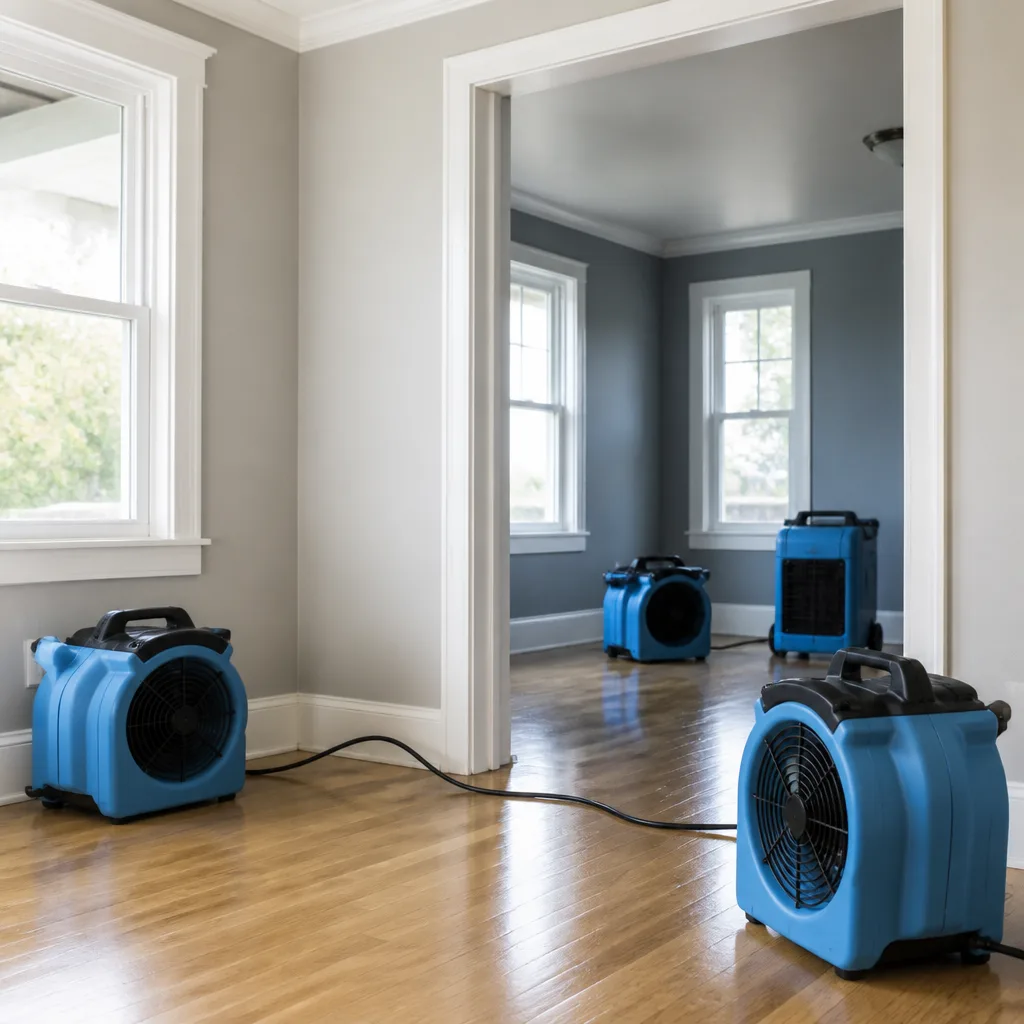
Below-grade rooms and converted garages need aggressive dehumidification because they don’t get the air movement that grade-level rooms do. We run Dri-Eaz and Phoenix desiccant and refrigerant dehumidifiers, and we monitor conditions daily until the structure returns to a documented dry standard.
Trusted Brands We Service in Mead Valley
We don’t work with one brand of drying equipment; we stock and run what the job actually needs. That means Dri-Eaz dehumidifiers and air movers on most Mead Valley jobs, Phoenix desiccants for below-grade spaces, XPOWER and B-Air air movement for larger square footage, and Injectidry panels for in-place wall and cavity drying. These aren’t rental-house tools; they’re the same units used on large commercial losses. That matters when you’re trying to save stucco walls and slab foundations on a rural property, and it matters when your insurer asks what equipment was on-site. Equipment inventory isn’t a marketing line. It’s the reason the drying timeline holds.
See the difference
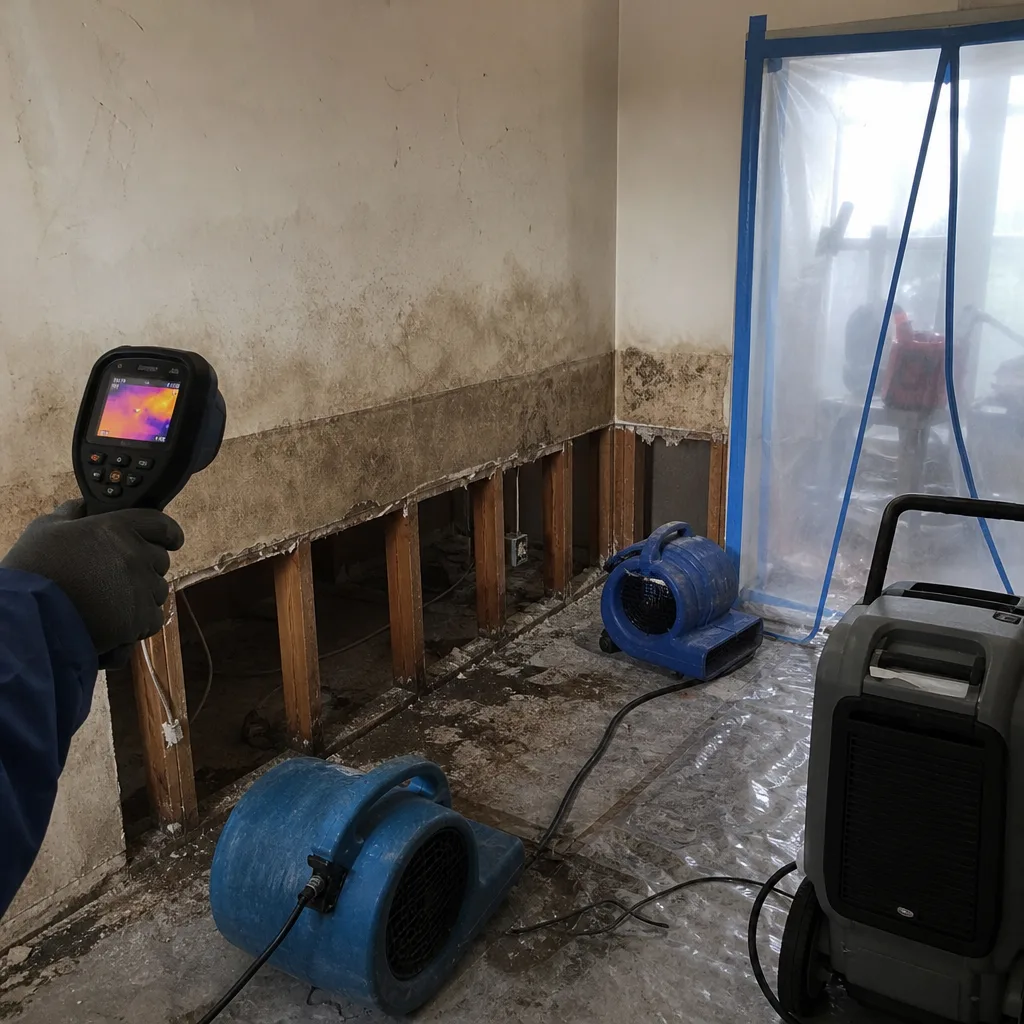 Before
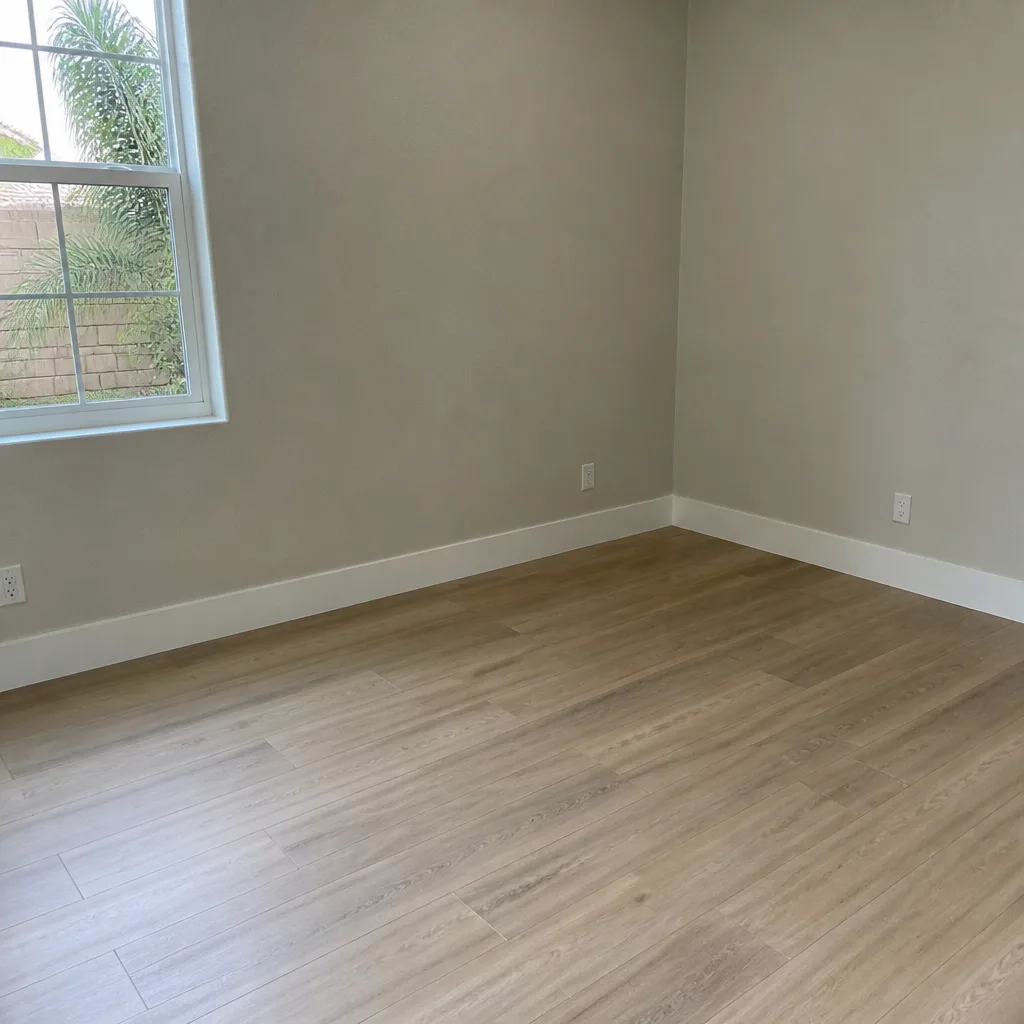 After
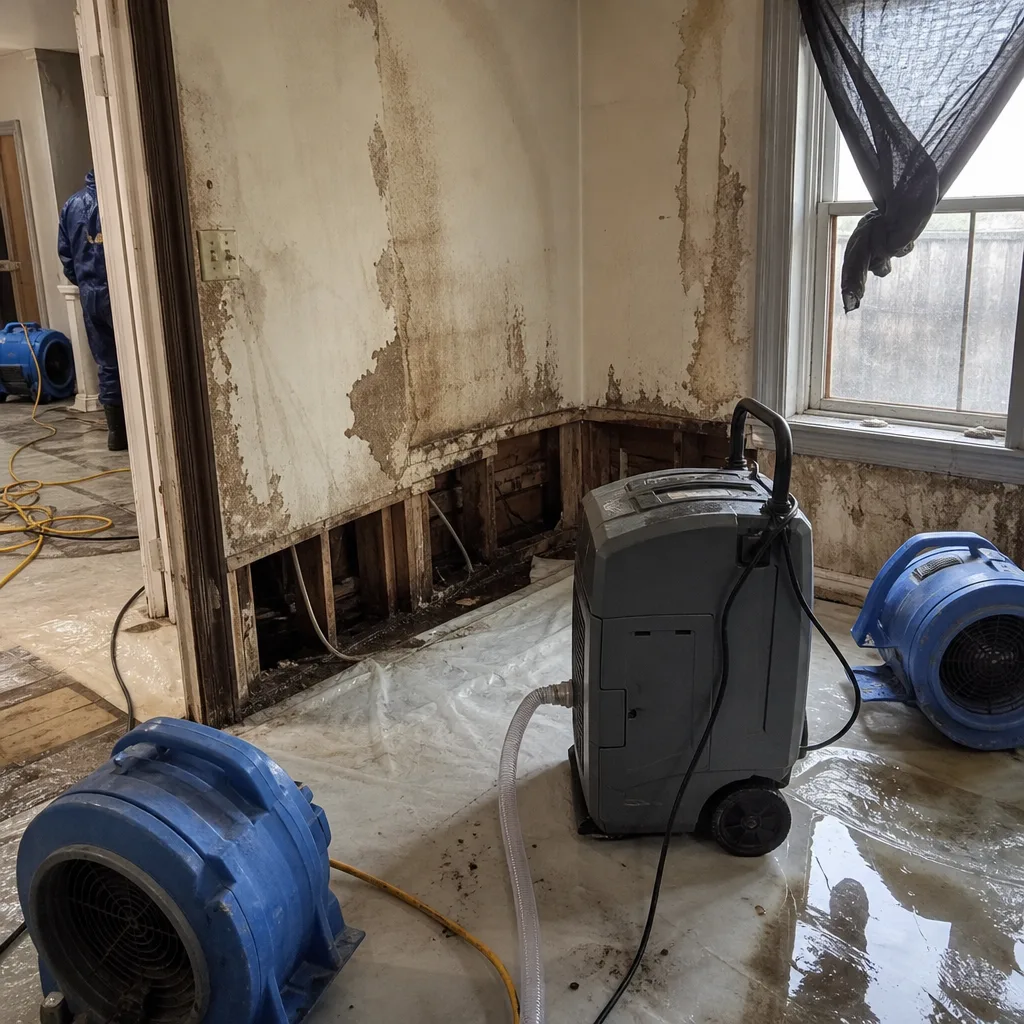 Before
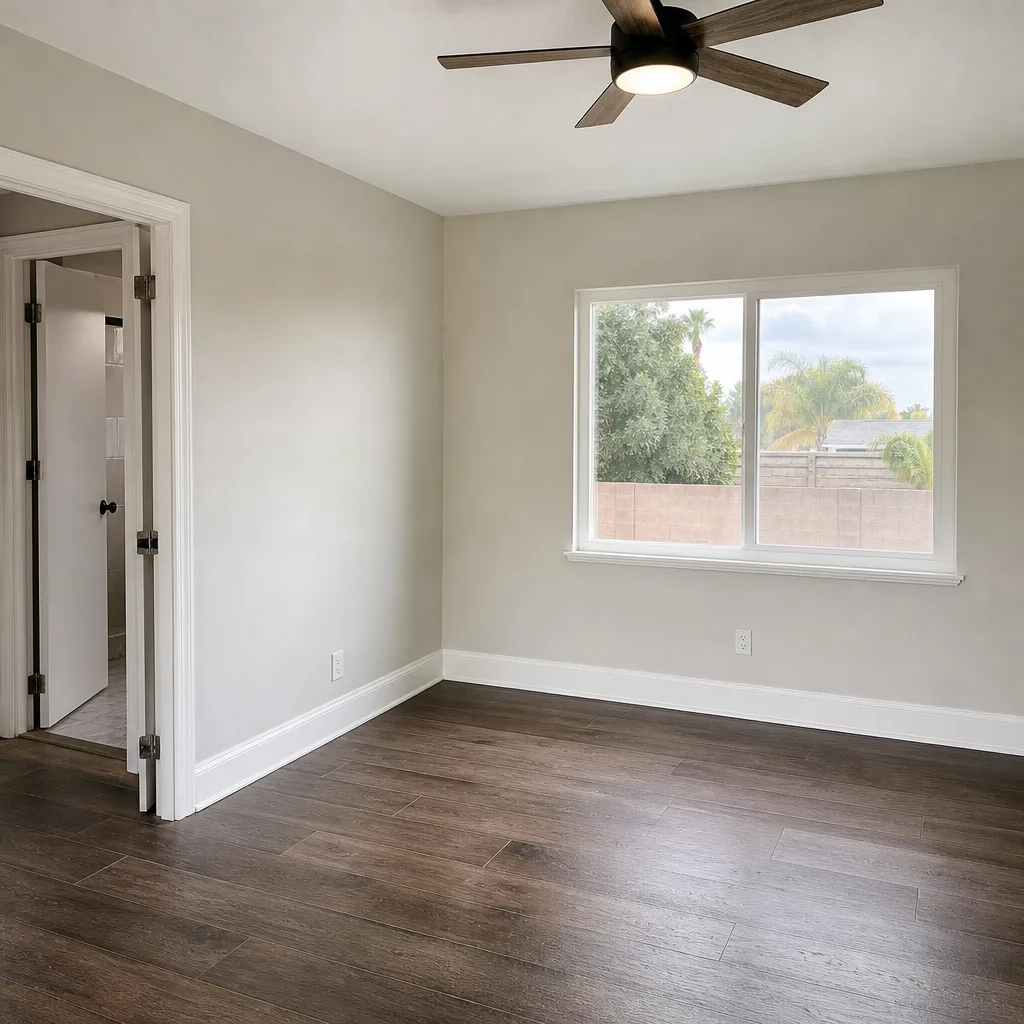 After
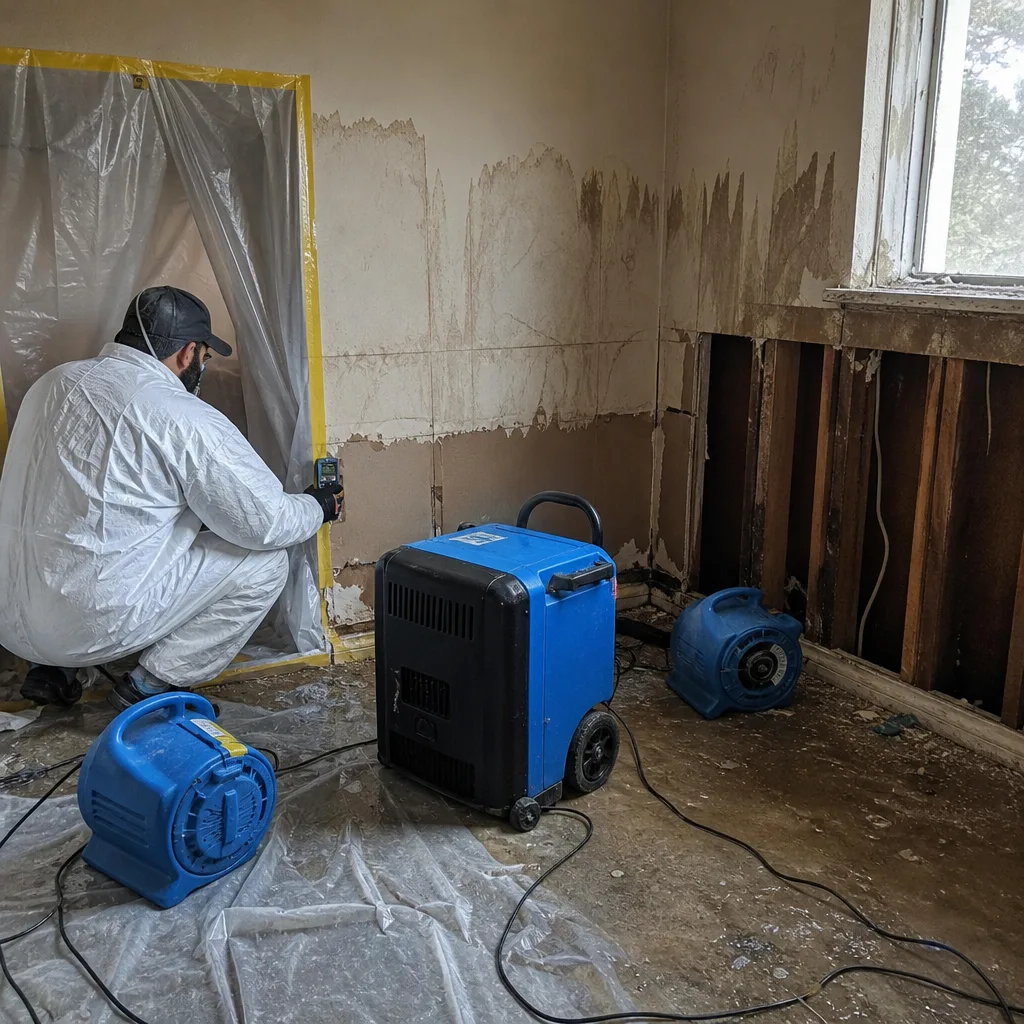 Before
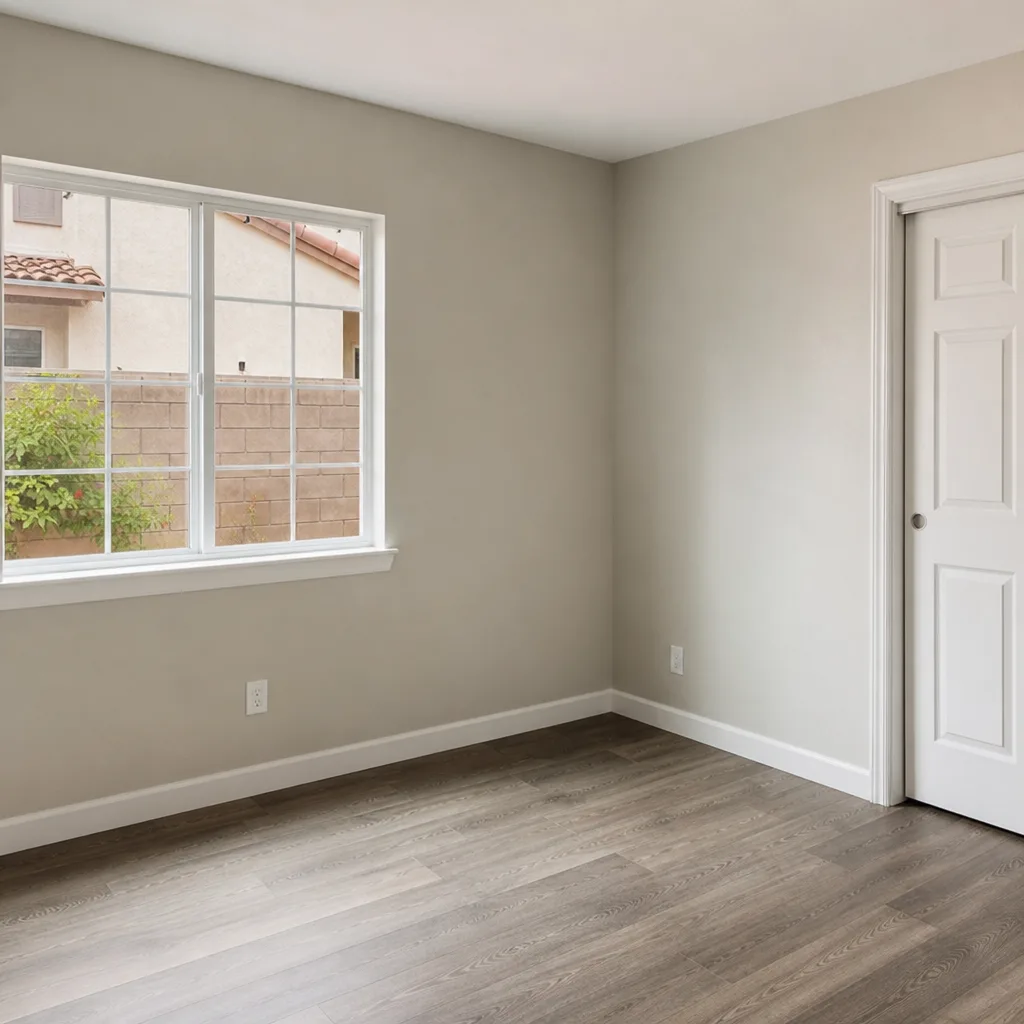 After
Common Water Damage Restoration Problems We See in Mead Valley Homes
- Well-system failures mistaken for city main breaks. Crews that don’t know Mead Valley spend the first hour looking for a municipal line that doesn’t exist. A burst pressure tank or failed well pump on a property off Highway 74 is private infrastructure, and the fix requires a well contractor’s coordination, not a utility shutoff.
- Hidden moisture in slab-on-grade foundations and stucco walls. Stucco hides water exceptionally well, and slab foundations move moisture horizontally into wall cavities that never see daylight. Surface moisture readings look fine while the framing is saturated. We map moisture deep into the assembly, not just where the meter can reach.
- Mold growth during the rural response gap. Mead Valley’s summer heat means any water that soaks drywall or carpet can start growing mold within 24 – 48 hours, and a long dirt driveway can mean a slower response from farther-out franchises. We plan our Mead Valley dispatch around that reality and get extraction running fast.
- Manufactured home and ranch property water intrusion. Older ranch homes and manufactured units on large lots have different framing, different plumbing, and often different undermount vapor conditions than newer stucco construction. A one-size-fits-all drying plan doesn’t work, and we don’t write one.
Pricing for Water Damage Restoration in Mead Valley, CA
For a typical Mead Valley water event, here’s what to expect: emergency extraction runs $600 – $1,400, structural drying and dehumidification $1,200 – $3,200 depending on square footage and how long the water sat, and full restoration including drywall repair, paint, and flooring work starts around $2,500 and goes up from there. Septic backup jobs with containment and antimicrobial treatment typically add $400 – $900 over a clean-water job of the same size. Every project starts with a free, no-obligation inspection. We give you a written scope before any work begins, and we work directly with your insurance carrier to document the loss. Call (844) 643-8708 for an exact quote on your situation.
We Also Serve Cities Near Mead Valley
Whitehall Water Damage works in Mead Valley and the surrounding Riverside County communities, including Perris, Good Hope, Canyon Lake, and Meadowbrook. If you’re just outside the 92570 ZIP and dealing with water intrusion, call us anyway. If we can’t get there fast enough, we’ll tell you who can, but most of our service area reaches every one of these nearby cities quickly.
Serving Mead Valley, CA — Our Local Coverage Area
We’re based in the Mead Valley area and know this community well. Use the map below to see our service coverage — if you’re nearby, we can almost certainly help.
FAQs About Water Damage Restoration in Mead Valley
We typically reach most Mead Valley properties within 60 – 90 minutes of your call, depending on where you are relative to Highway 74 and the 215. Dirt driveways and large-lot setbacks don’t slow us down; we dispatch from Murrieta and know these roads. If you’re dealing with active water, call (844) 643-8708 and we’ll give you a realistic ETA before you hang up.
Yes, this is one of the most common calls we get in Mead Valley. When a pressure tank bursts or a well pump fails, the water originates on your property, not from a municipal main. We coordinate directly with well contractors so the source gets fixed while our crew handles extraction and drying. No one waits on a utility.
Category 1 is clean water from a supply line or a broken pipe. Category 2 is contaminated water that could cause illness if ingested, like washing machine overflow or sump water. Category 3 is grossly contaminated water carrying pathogens, most often from septic backups or outside flooding. The category determines the drying protocol, the level of containment, and what gets removed versus what gets cleaned and dried in place. We test and document the category on every loss.
Most Mead Valley homes dry in 3 – 5 days under professional drying conditions, assuming the water hasn’t been sitting for more than 24 hours. Slab-on-grade foundations and stucco walls can add a day or two because moisture gets trapped in low-cavity spaces. We run daily moisture readings and won’t pull equipment until the numbers show the structure is back to pre-loss condition. If your water sat longer than a day, drying will stretch closer to a week, and mold prevention becomes part of the job. Call (844) 643-8708 and we’ll give you a timeline based on what we find.
Yes. Mead Valley has a mix of newer stucco homes, manufactured units, and older ranch properties, and each structure type has its own drying requirements. Manufactured homes need careful attention to underpinning and vapor barriers; ranch properties often have wood-framed additions that hold water differently than modern construction. Our crew adjusts the drying plan to the building, not the other way around.
If you’re dealing with water damage in Mead Valley right now, call (844) 643-8708. We’ll get a crew moving and give you a straight answer about what you’re looking at.
Written by Nolan Beckett, Owner at Whitehall Water Damage, serving Mead Valley and Riverside County.