
Last updated October 30, 2026
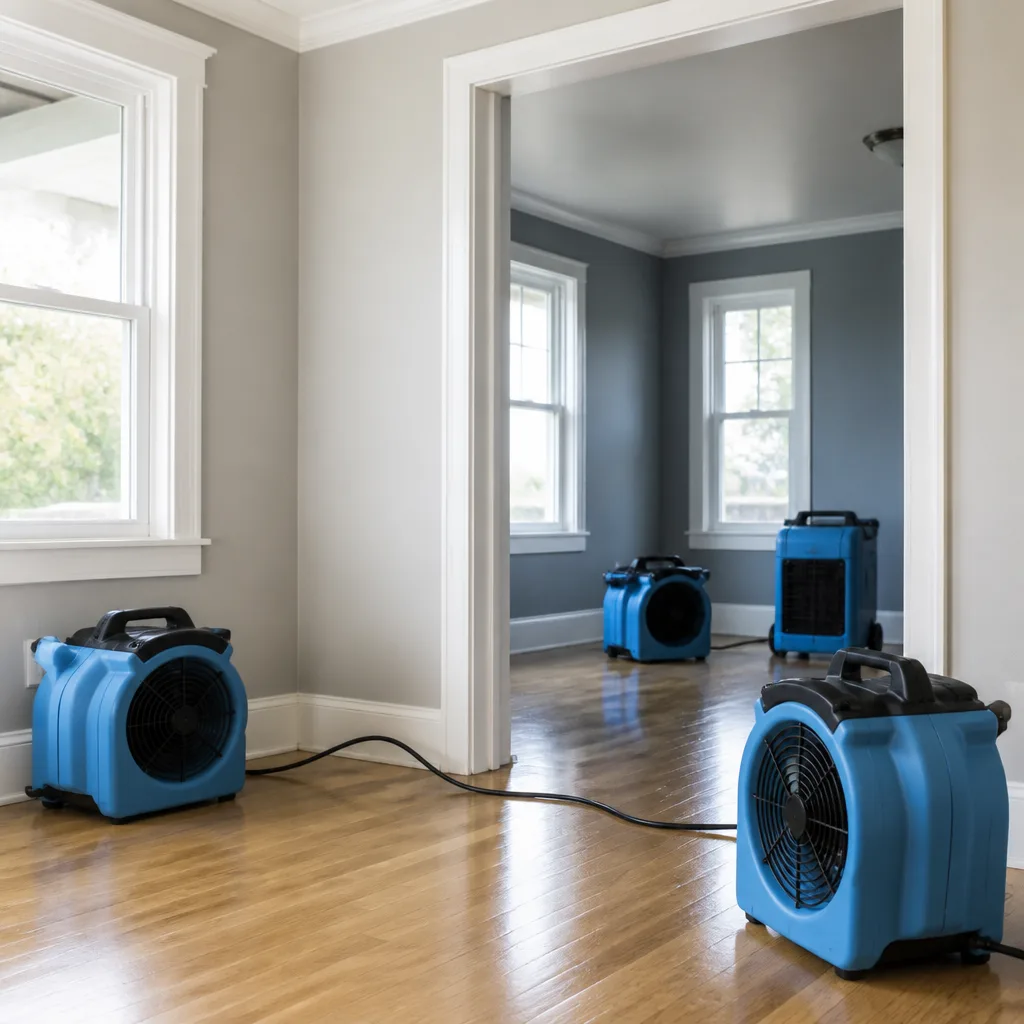 Water damage drying
 Fire & smoke cleanup
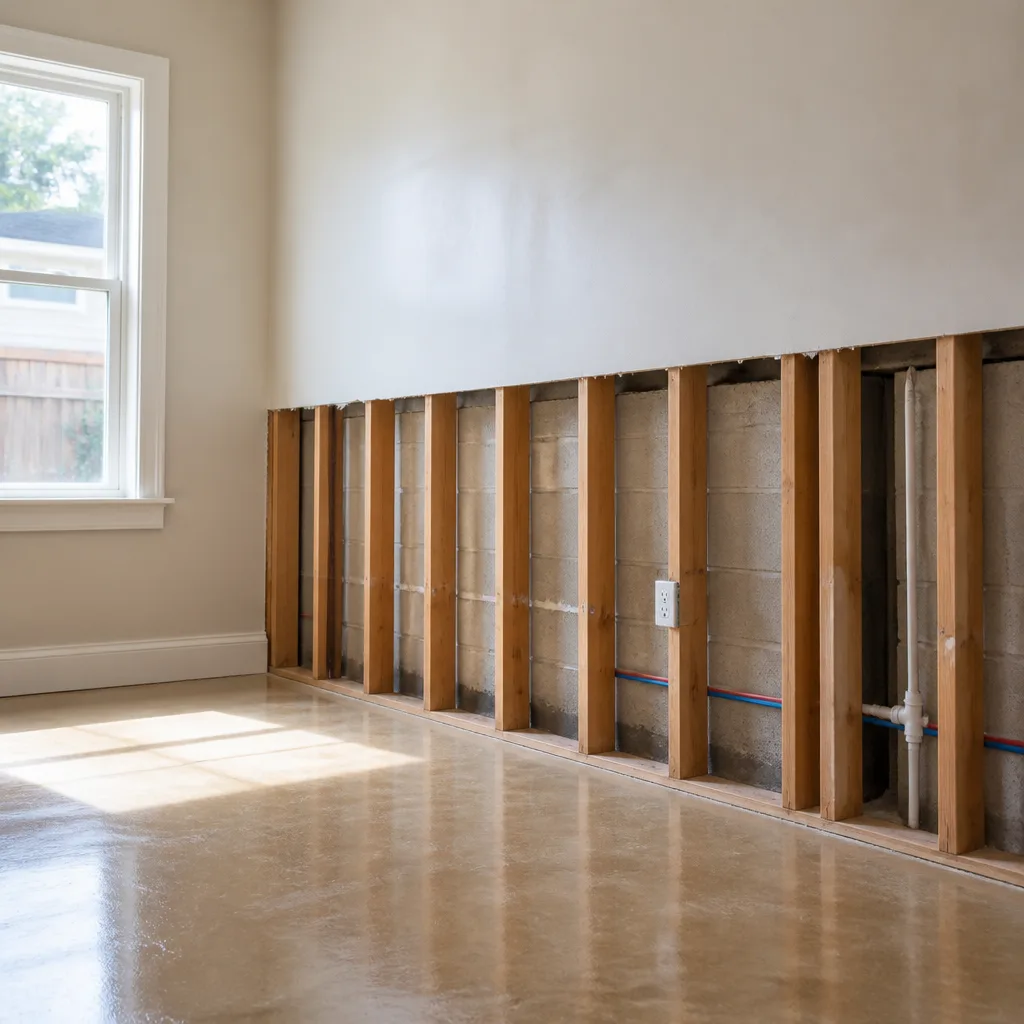 Mold remediation
 Storm response
 Sewage cleanup
 Reconstruction
Free visual inspection and a written scope of work before any mitigation begins - photos, moisture readings, and drying logs go in your claim file
The scope we write is the scope we bill. Anything new gets shown to you, in writing, before we touch it.
Get your free estimateSeasonal Damage Restoration Care for Murrieta: Year-Round Homeowner’s Guide
Murrieta averages roughly 13 inches of rain per year, yet Riverside County’s fire season now stretches across ten months of the calendar. That imbalance creates a restoration risk profile most national seasonal checklists get completely wrong. A homeowner following generic “winterize your home” advice from a Michigan-based blog is preparing for frozen pipes while their actual Murrieta exposure sits in unmaintained drainage systems, stucco cracks that opened during summer heat, and HVAC ducts quietly collecting particulate from a brush fire fifteen miles away. This guide maps the seasonal damage curve specific to Murrieta’s Mediterranean-adjacent climate, walking through what actually fails, when it fails, and what a trained restoration professional checks before damage becomes a structural or indoor air quality event. We’ll cover roof penetrations before first rain, stucco weep screed monitoring during the wet window, crawlspace dry-out after storms, fire-season smoke protocols, and the condensation dynamics most homeowners never associate with water damage.
Restoration work we handle
Quick Answer
Murrieta’s damage restoration calendar follows a counterintuitive rhythm: the dry months create the conditions for water damage (shrinking seals, cracked stucco, clogged drains), while the short rainy season reveals every weakness in a single storm sequence. Homeowners should inspect roof penetrations and drainage systems in November before first rain, monitor weep screeds and sump systems from January through March, verify structural dry-out in April through June, and treat HVAC filtration and duct contamination as first-order restoration concerns during July through October fire season. The single most overlooked threat in Murrieta is condensation inside wall cavities driven by 30°F-plus diurnal temperature swings, which produces moisture readings that mimic active leaks.
Table of Contents
- November – December: The First-Rain Protocol Murrieta Homes Actually Need
- January – March: Active Storm Response During Murrieta’s Wet Window
- April – June: Post-Rain Structural Dry-Out and Hidden Moisture Detection
- July – October: Fire Season, Smoke Infiltration, and HVAC Contamination
- Year-Round: Murrieta’s Diurnal Temperature Swings and Cavity Condensation
- How a Certified Restoration Company Approaches Seasonal Damage
- Common Mistakes to Avoid
- When to Call a Professional
- Frequently Asked Questions
- The Bottom Line
November – December: The First-Rain Protocol Murrieta Homes Actually Need
The first significant rain event after Murrieta’s eight-month dry stretch is when we see the highest concentration of water intrusion calls. The mechanism is predictable: stucco exterior finishes, roof flashing, window seals, and drainage channels all endure sustained UV exposure and thermal expansion cycles through summer and fall. Materials contract, sealants lose elasticity, and small gaps that were invisible in September become active water entry points by late November. A roof penetration that performed fine during the previous March rain may have developed a separation of less than two millimeters at the flashing junction, which is enough to channel water into the building envelope during a sustained storm. For help diagnosing these issues, see our Water Damage Restoration Troubleshooting: Common Problems and How to Fix Them.
Drainage systems present a parallel failure mode. Area drains, channel drains, and downspout connections sit idle for most of Murrieta’s year. During that period, fine sediment, decomposed granite from landscaped areas, and wind-blown debris accumulate in drain lines. The first heavy rain then pushes this material into a consolidated blockage, turning a functional drainage path into a standing water condition against the foundation or stucco base. We regularly see this pattern in Murrieta neighborhoods with mature landscaping, where leaf litter and irrigation overspray contribute organic material that compacts inside drain bodies.
What to Inspect Before First Storms
- Roof penetrations and flashing: Walk the roof or use binoculars from ground level to check vent stacks, plumbing boots, skylight frames, and chimney flashing for visible sealant cracking, lifted edges, or debris accumulation that prevents water from shedding properly. Look specifically at the uphill side of each penetration, where water velocity is highest.
- Window and door perimeter seals: Check the sealant bead where stucco meets window frames and door thresholds. Hairline cracks wider than a fingernail thickness are progression points. On stucco homes, also examine vertical control joints and horizontal weep screed transitions for cracking.
- Area drains and downspout discharge points: Remove drain covers and visually inspect for sediment accumulation. Run a hose down each downspout to confirm water exits at the discharge point rather than backing up against the foundation. Confirm downspout extensions carry water at least four feet from the foundation edge.
- Stucco weep screed clearance: The weep screed at the base of stucco walls must remain unburied by soil, mulch, or concrete. When grade rises above the weep screed, moisture trapped inside the stucco assembly cannot exit, forcing it inward toward framing. In Murrieta, this is one of the most common deficiency patterns in homes built before 2010.
- Attic underside inspection: After the first rain, access the attic and run a flashlight along the underside of roof sheathing, looking for dark staining, active drips, or moisture beading on nail ends. Darkened nail shanks are often the first visible indicator that condensation or a small leak is active in the roof assembly.
For homeowners who want the full seasonal prevention picture across all three damage types, our guide to Water Damage Restoration in Murrieta covers the complete inspection framework our technicians use for moisture intrusion assessments.
January – March: Active Storm Response During Murrieta’s Wet Window
Murrieta’s rain concentrates into a narrow band, typically December through March, with January and February carrying the heaviest volume. During this window, the failure mode shifts from static weaknesses in the building envelope to dynamic failures in active water management systems. French drains, sump pumps, foundation drains, and stucco weep screeds are all under continuous hydraulic load during multi-day storm sequences. A system that functions adequately during light rain can become overwhelmed when ground saturation reduces percolation capacity and runoff volume doubles.
How to Monitor Your Systems Mid-Storm
- French drains and foundation drains: During steady rain, walk the property perimeter and listen for water movement. French drain discharge points should show consistent flow during rain events. If a discharge point is dry while rain is falling and ground is saturated, the drain line is almost certainly blocked. Check for soil settlement lines above the French drain path, which indicate the drain trench is filling with groundwater rather than conveying it away.
- Sump systems: If your Murrieta home has a sump pit, test it monthly during the wet window. Pour five gallons of water into the pit and confirm the pump activates at the correct float setting and discharges away from the foundation. Listen for rapid cycling, which indicates either a too-small pit or an undersized pump for inflow conditions. Check the discharge line’s check valve by confirming water doesn’t flow back into the pit when the pump shuts off.
- Stucco weep screed performance: During or immediately after rain, look for moisture staining at the base of stucco walls, particularly below window openings and behind unsealed cracks. The weep screed should show occasional water droplets exiting during good drainage conditions. If you see efflorescence (white mineral deposits) forming on the stucco surface, that’s a sign moisture is migrating through the wall assembly and evaporating at the surface, which means the drainage plane is underperforming.
- Interior wall monitoring: Run the flat of your hand along baseboards and drywall surfaces below windows and at floor-wall junctions after each significant storm. Cool-to-the-touch patches on interior drywall, especially if accompanied by softness or bubbling paint, indicate moisture intrusion through the stucco assembly or at the window-to-wall interface.
- Attic re-inspection: Repeat the attic underside check after each major storm sequence. Active leaks often present as a slow darkening of the sheathing that progresses over multiple rain events rather than an immediate drip. Mark any stained areas with painter’s tape and photograph them to track progression.
When active water intrusion is confirmed, speed matters. Standing water inside wall cavities wicks upward through drywall and insulation, expanding the contaminated zone and creating conditions for mold germination within 48 to 72 hours. For the complete response protocol including extraction, drying system placement, and moisture mapping, see our guide to Whitehall Water Damage home services, which outlines how we approach each category of water event in Murrieta.
April – June: Post-Rain Structural Dry-Out and Hidden Moisture Detection
The period after Murrieta’s final spring rains is when water damage gets discovered but often gets misattributed or ignored. Moisture that entered wall assemblies, crawlspaces, or attic framing during the wet window may not manifest as visible staining until weeks or months later. By April, warmer temperatures raise the vapor pressure inside wet materials, pushing moisture toward the interior where it condenses on cooler surfaces or migrates into drywall, where it becomes visible as staining, bubbling, or mold growth. This is also when persistent musty odors become noticeable, as elevated humidity inside the building envelope accelerates microbial activity.
Targeted Dry-Out Checks for April Through June
- Crawlspace humidity and fungal staining: Enter the crawlspace (with proper PPE) and check for condensation on ducting, cupped or sagging insulation, and dark staining on floor joists or subfloor sheathing. In Murrieta’s clay-heavy soils, ground moisture migration into crawlspaces is a persistent issue even when there’s no standing water. Wood moisture content above 20% on joists or subfloor indicates a drying problem that will not self-resolve as outside temperatures rise.
- Attic condensation patterns: Spring temperature swings create the conditions for attic condensation on the underside of roof sheathing after cool nights followed by warm mornings. Check for dark staining that follows the shape of sheathing panels rather than a leak’s typical radial pattern. Condensation staining appears uniform across broad panels, while leak staining is localized and often associated with a specific penetration or roof defect.
- Exterior stucco moisture retention: Use a non-invasive moisture meter on stucco surfaces at various heights, particularly on north-facing walls and shaded areas. Compare readings on sun-exposed and shaded walls. A consistently elevated reading on shaded stucco compared to sun-exposed stucco of the same age suggests moisture retention inside the wall assembly that sunset hours aren’t drying out.
- Baseboard and drywall probing: For areas that showed moisture during the winter, remove baseboards and inspect the drywall’s exposed edge. Darkened paper, softened gypsum core, or visible mold on the backside of drywall are confirmation that moisture was present and the material never returned to acceptable moisture content. Surface repainting covers stains but does not address wall-cavity contamination.
- Window sill and frame junction checks: Open windows and inspect the sill track drainage holes, the frame-to-rough-opening interface under the casing, and any interior water staining on drywall returns. Water that entered through a failed window seal in January may now be presenting as swollen MDF casing or paint failure at the sill-to-wall junction.
If probes confirm elevated moisture in wall cavities, standard surface drying won’t address the problem. Cavity drying requires either targeted removal or in-place drying systems. Our technicians use Injectidry systems to dry wall cavities and subfloors without unnecessary demolition, a technique that protects the structure and shortens drying timelines. For the full scope of what structural drying entails in Murrieta homes, see Water Damage Restoration in Murrieta.
July – October: Fire Season, Smoke Infiltration, and HVAC Contamination
Murrieta sits within a fire-prone region where the fire season now runs from roughly April through November, with peak risk from July through October. What most homeowners don’t realize is that structural fire damage isn’t the only restoration event associated with wildfire season. Smoke particulate infiltration is a building-wide contamination event that affects HVAC systems, ductwork, insulation, attic framing, and every porous surface inside the conditioned space. A wildfire ten miles away can force enough smoke particulate through a building envelope to require professional cleaning of the entire HVAC distribution system.
The failure point in most homes is the air intake path. During smoky conditions, attic and crawlspace air gets pulled into the return side of the HVAC system through unconditioned spaces and small leaks in return ducting. That particulate-laden air passes through the filter (which captures only larger particles), into the blower, through the evaporator coil, and into the supply ducting. The result is distribution of char, ash, and volatile organic compounds to every room in the building. Standard residential filters, even those rated MERV 13, cannot capture the full range of smoke particulate size distribution during a sustained smoke event.
Fire Season Protocol for Murrieta Homeowners
- Change HVAC filters immediately after any smoke event where outdoor air quality was visibly degraded for more than 24 hours. Keep a MERV 13 or higher filter installed during fire season months, even if the system wasn’t designed for it, and check pressure drop across the filter. A loaded filter under smoke conditions moves less air, causing coil freeze-up and compressor stress on cooling days.
- Inspect the return side ducting for leaks. Even with a good filter at the unit, a leaky return pulls unfiltered air from the attic or crawlspace. Have a duct leakage test performed if your system is more than ten years old. Murrieta homes with ducting in unconditioned attics are particularly vulnerable to smoke ingress.
- Clean the condenser coil after fire season. Ash particulate deposits on the outdoor condensing unit’s coil fins reduce heat transfer efficiency and accelerate corrosion. A coil cleaning in October or November removes accumulated ash and restores rated performance.
- Check attic insulation for smoke particulate staining. If your home experienced heavy smoke infiltration, inspect the top surface of attic insulation in the areas around attic access hatches and the eaves. Soot particulate that settled on insulation becomes a persistent odor source and, if the insulation is disturbed, redistributes into the conditioned space.
- Document everything for insurance. Photograph filter loading, visible particulate on return grilles, and any surfaces showing smoke staining. If you file a claim for smoke damage restoration, you’ll need evidence of the contamination event and its effects on the building.
For homes that experience smoke contamination from a nearby structure fire or wildfire, professional duct cleaning alone rarely addresses the building-wide nature of the contamination. Smoke particulate settles on walls, ceilings, framing, and every horizontal surface in the structure. Our Fire Damage Restoration in Murrieta guide covers the full scope of smoke and soot mitigation, including the difference between surface cleaning of smoke-stained framing and the dry ice blasting or soda blasting methods used for heavy char contamination.
Year-Round: Murrieta’s Diurnal Temperature Swings and Cavity Condensation
Murrieta’s inland valley location creates temperature differentials of 30°F or more between daytime highs and nighttime lows during fall and spring. That swing drives a condensation dynamic inside wall cavities that mimics leak damage in moisture meter readings. Here’s the mechanism: during the day, warm air inside the wall cavity holds elevated moisture content from whatever source is present, whether it’s a minor leak, a small plumbing pin-hole, or simply humid interior air infiltrating through electrical outlets and switch boxes. At night, the cavity’s exterior sheathing surface cools rapidly. When the cavity air temperature reaches its dew point, moisture condenses on the interior face of the sheathing and the inside of the exterior insulation, and then it sits there. Repeated daily cycles maintain elevated wood moisture content in the sheathing and framing without any active leak being present.
We see this pattern regularly in Murrieta homes built with stucco exteriors and minimal exterior insulation, where the sheathing sits close to the exterior temperature regime. Homeowners call us for what they assume is a roof or window leak, and the moisture meter confirms elevated readings, but the actual driver is condensation. The fix is often not sealant or roofing, it’s ventilation or insulation correction combined with drying of the affected materials.
How to Distinguish Condensation from Active Leak
- Pattern of moisture: Condensation-driven moisture appears uniform across broad areas, following the thermal boundaries of the envelope. Leak-driven moisture is concentrated and follows gravity paths from a specific entry point.
- Timing correlation: Condensation moisture levels fluctuate diurnally, peaking in the morning and dropping during afternoon heat. Leak moisture is event-driven and follows rain or plumbing usage, not ambient temperature cycles.
- Location specificity: Condensation concentrates on the thermal bridges, the wall studs themselves, where cold doesn’t get broken by insulation. Leak moisture concentrates on the lowest point of a leak path, typically the bottom wall plate or subfloor sheathing.
- Air leakage indicators: Check around electrical boxes, plumbing penetrations, and can light fixtures in the affected wall. If dust staining around these penetrations exists (indicating air movement), cavity condensation is likely occurring.
- Seasonal persistence: Condensation problems recur at the same time each year, while leak problems are random or follow a specific damage event. A moisture meter that reads elevated every spring morning but dry in summer afternoons is pointing to condensation, not a leak.
Addressing condensation-driven moisture inside wall cavities requires understanding the house’s airflow dynamics and thermal boundaries, which is where professional assessment with a documented protocol pays off. IICRC-certified technicians following documented restoration protocols (specifically the S500 standard for water damage) can map the moisture distribution and recommend whether ventilation, insulation, or air sealing is the correct intervention. Our approach to Mold Remediation in Murrieta includes the moisture source analysis that prevents recurrence, since condensation-driven moisture is a leading precursor to wall-cavity mold growth in this climate.
How a Certified Restoration Company Approaches Seasonal Damage
The difference between a restoration contractor and a generalist handyman—and Choosing the Right Damage Restoration Brand: A Buyer’s Guide for Murrieta—becomes obvious when a seasonal failure triggers a cascading damage event. Water that entered through a failed window seal in January may have already begun mold growth inside the wall cavity by March. A smoke-contaminated HVAC system from a September brush fire may leave particulate residue that activates when the furnace runs for the first time in November. These are compound events requiring a team that can address moisture, microbial contamination, and particulate residue without handoffs to outside contractors.
Our approach at Whitehall Water Damage is built on the premise that drying is a science, not guesswork. Every water job begins with moisture mapping, using penetrating and non-penetrating meters to establish the extent of the affected area. Drying systems are then sized and placed according to the psychrometric conditions in the space, using professional-grade equipment from Dri-Eaz and Phoenix, the same brands used in large-scale commercial restoration. When wall cavities and subfloors need targeted drying, Injectidry systems allow us to dry those spaces in place, protecting the structure and reducing unnecessary demolition.
For mold remediation, we work to the IICRC S520 standard, which governs assessment, containment, and remediation of fungal contamination. For fire and smoke events, the S700 standard guides our process. The point of working to published standards isn’t compliance for its own sake, it’s that the standards represent the accumulated best practices of the restoration industry’s most experienced professionals. When we follow S500, S520, or S700 protocols, we’re operating to a documented baseline, not improvising based on whatever equipment happens to be in the truck.
Membership in the Restoration Industry Association (RIA) and the Indoor Air Quality and Flood and Fire Associations (IFA) provides accountability beyond our internal quality controls. Those organizations set expectations for continuing education, ethics, and technical competence that provide a clear signal to property managers and insurance adjusters evaluating restoration vendors. One credentialed team handles water, mold, and fire damage, no subcontractor handoffs.
Common Mistakes to Avoid
- Skipping the pre-rain inspection because the roof “looks fine.” The most common source of Murrieta water damage in December is a roof penetration that failed silently during the dry season. You cannot see a failed flashing seal from the driveway.
- Relying on a wet-dry vacuum to handle a wall-cavity water event. Surface extraction removes what’s on the floor, but water inside wall cavities, under base plates, and behind baseboards requires either cavity drying equipment or targeted removal. In-place drying with Injectidry systems addresses this without demolition.
- Letting mold grow while “waiting to see if it dries on its own.” Murrieta’s climate creates the right conditions for mold germination within 48 to 72 hours when materials stay wet. The longer material stays wet, the larger the remediation project becomes.
- Painting over water-stained drywall without confirming the wall cavity is dry. Stains can return, paint can fail, and hidden mold can continue growing behind the new paint. Moisture verification comes before cosmetic repair, not after.
- Changing an HVAC filter once and assuming smoke contamination is handled. Smoke particulate settles throughout the distribution system, on coil surfaces, and in insulation. Filter replacement addresses incoming air but does not clean the build-up already deposited in the system.
- Assuming a musty smell that fades when windows are open is “gone.” Odor masking through ventilation doesn’t resolve the moisture source that’s feeding microbial activity. If the smell returns when windows close, the source is still active.
- Ignoring grade-level drainage because it “worked last year.” Sediment accumulation, soil settlement, and root intrusion progressively reduce drainage capacity. Systems that worked perfectly last winter can fail completely this winter without visible warning.
When to Call a Professional
Some seasonal damage events are within a homeowner’s ability to address with basic maintenance, but the following scenarios warrant professional assessment: any water intrusion that affects drywall, insulation, or framing (not just surface flooring), any visible mold growth larger than a 10-square-foot patch, persistent musty odors that return after ventilation, water staining that progresses after repeated storms, moisture meter readings above 20% in structural wood, and any smoke event that left visible particulate in the HVAC system or on attic insulation. If you’re uncertain about a damage condition, the cost of a professional assessment is typically far less than the cost of untreated progression. Whitehall Water Damage offers free estimates in Murrieta, call (844) 643-8708 to schedule an assessment with a certified technician.
Frequently Asked Questions
Water damage restoration in Murrieta typically ranges from $1,000 to $5,000 for a contained event like a room-scale leak, while whole-home events involving multiple rooms, wall cavities, and structural drying can range from $5,000 to $25,000 or more depending on the affected area, the category of water, and the drying time required. The biggest variable is whether materials like drywall, insulation, and flooring can be dried in place or must be removed and replaced. Each event is priced based on the scope confirmed through moisture mapping, not a square-footage guess. Call (844) 643-8708 for an assessment with a written scope, estimates are free.
Most standard homeowner policies cover sudden and accidental water damage, such as a pipe burst or storm-driven roof intrusion, but not gradual damage from deferred maintenance or long-term seepage. If the damage resulted from a covered peril like a windstorm tearing off a roof section or a sudden pipe failure, coverage typically applies to the restoration work, minus your deductible. Flood damage from rising groundwater or exterior flooding requires a separate flood insurance policy, which most Murrieta homeowners do not carry. For any damage event, photo documentation and a written scope from a restoration professional strengthens your claim and helps your adjuster process the loss faster.
Response timing depends on the severity of the event and the company’s dispatch capacity, but water extraction and drying system placement should happen within 24 to 48 hours of the initial call for any active water event. Every day of delay increases the moisture migration zone and pushes materials toward mold germination thresholds. For mitigation-driven services like water extraction and emergency board-up after fire damage, same-day or next-day dispatch is standard for companies with certified technicians who work to published restoration standards. Call (844) 643-8708 to check current availability for your specific situation.
Visible mold on drywall or framing is typically the surface expression of a moisture problem inside the wall cavity, and surface cleaning alone does not address the underlying moisture source or the hidden fungal growth extending beyond the visible patch. IICRC S520 guidelines require containment, HEPA air filtration, and proper removal of affected porous materials when contamination exceeds 10 square feet. The difference between a cleaning and a remediation is the containment of airborne spores and the verification that moisture levels in structural wood have returned to acceptable levels. Without both, the mold returns.
Spring musty odor in Murrieta homes is commonly caused by concealed moisture inside wall cavities, crawlspaces, or attics that never fully dried after winter rain events or from condensation driven by the area’s 30°F-plus diurnal temperature swings. Elevated humidity inside the building envelope activates microbial growth on organic materials even when the moisture source is not a visible leak. The correct response is a professional moisture assessment that maps the affected areas with penetrating moisture meters and identifies the moisture source, whether a roof penetration, a plumbing defect, or condensation from air leakage.
The two most impactful preparation steps are upgrading your HVAC filtration to MERV 13 or higher during fire season months and sealing return-side duct leaks so the system cannot pull smoky air from unconditioned spaces. After any significant smoke event, replace all filters, inspect the return grilles for soot deposition, and consider professional duct cleaning if the home was exposed to dense smoke for more than 24 hours. For homes that experienced actual smoke infiltration through the building envelope, contact a restoration professional to assess the full contamination scope before running the HVAC system further.
The Bottom Line
Murrieta’s seasonal damage pattern is predictable when you understand the climate: the dry season creates vulnerabilities that the wet season exposes, and the fire season adds a contamination risk that most homeowners never connect to restoration. The highest-leverage interventions are inspecting roof penetrations and drainage before first rain, monitoring weep screeds and sump systems during the wet window, verifying structural dry-out after storms, treating HVAC contamination as a restoration event during fire season, and recognizing condensation as a moisture source distinct from leaks. A proactive homeowner who follows this rhythm will catch most problems at the mitigation stage, before structural damage or mold growth turns a maintenance issue into a restoration project. When in doubt, a professional moisture assessment costs far less than the damage it prevents.
Written by the team at Whitehall Water Damage, serving Murrieta since 2015.
For expert seasonal damage assessment and restoration in Murrieta, call (844) 643-8708 for a free estimate.
See the difference
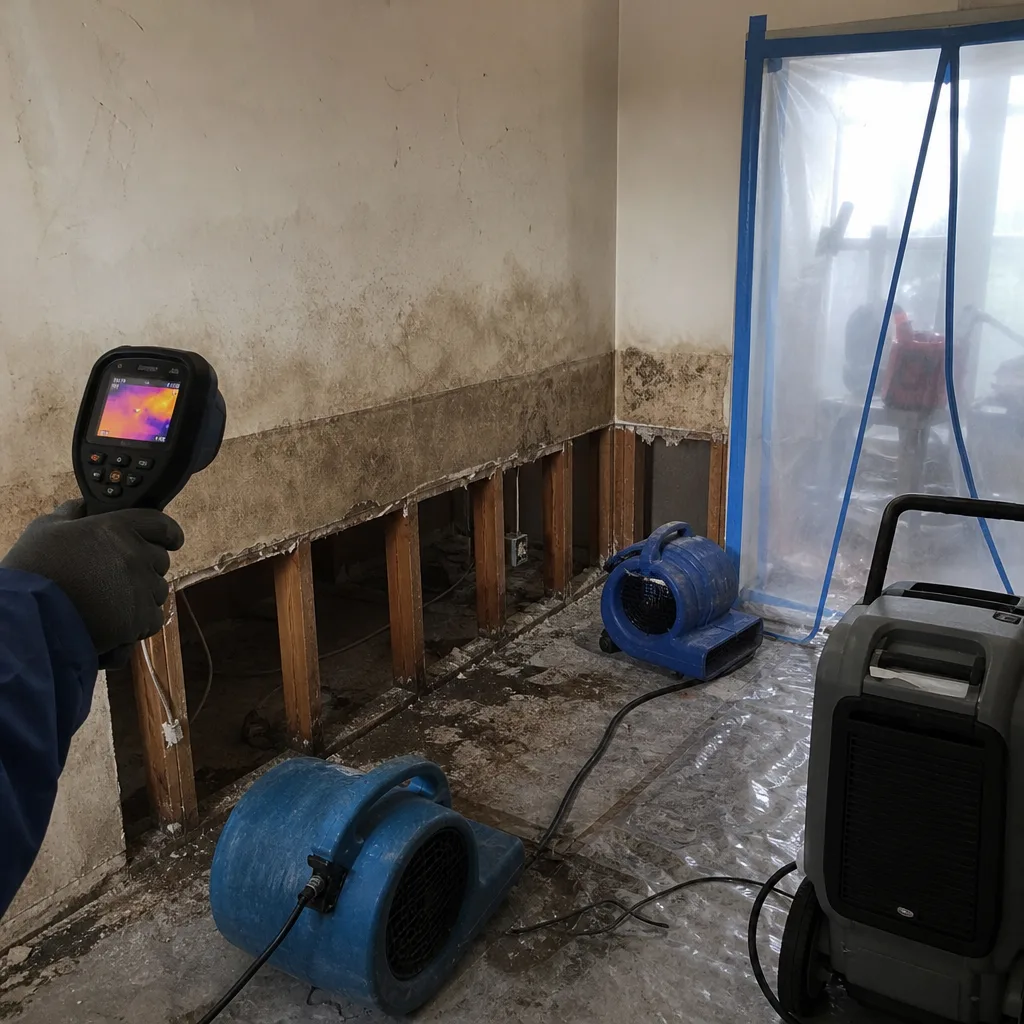 Before
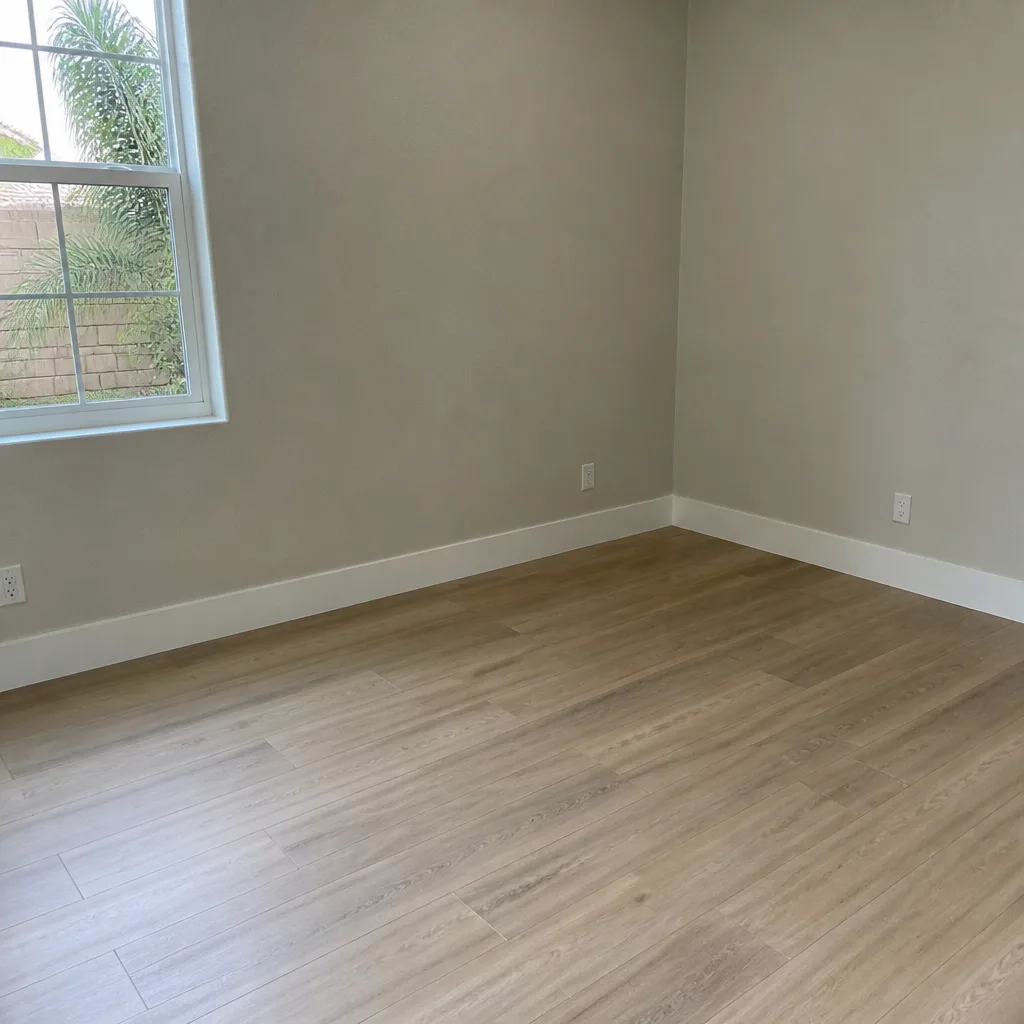 After
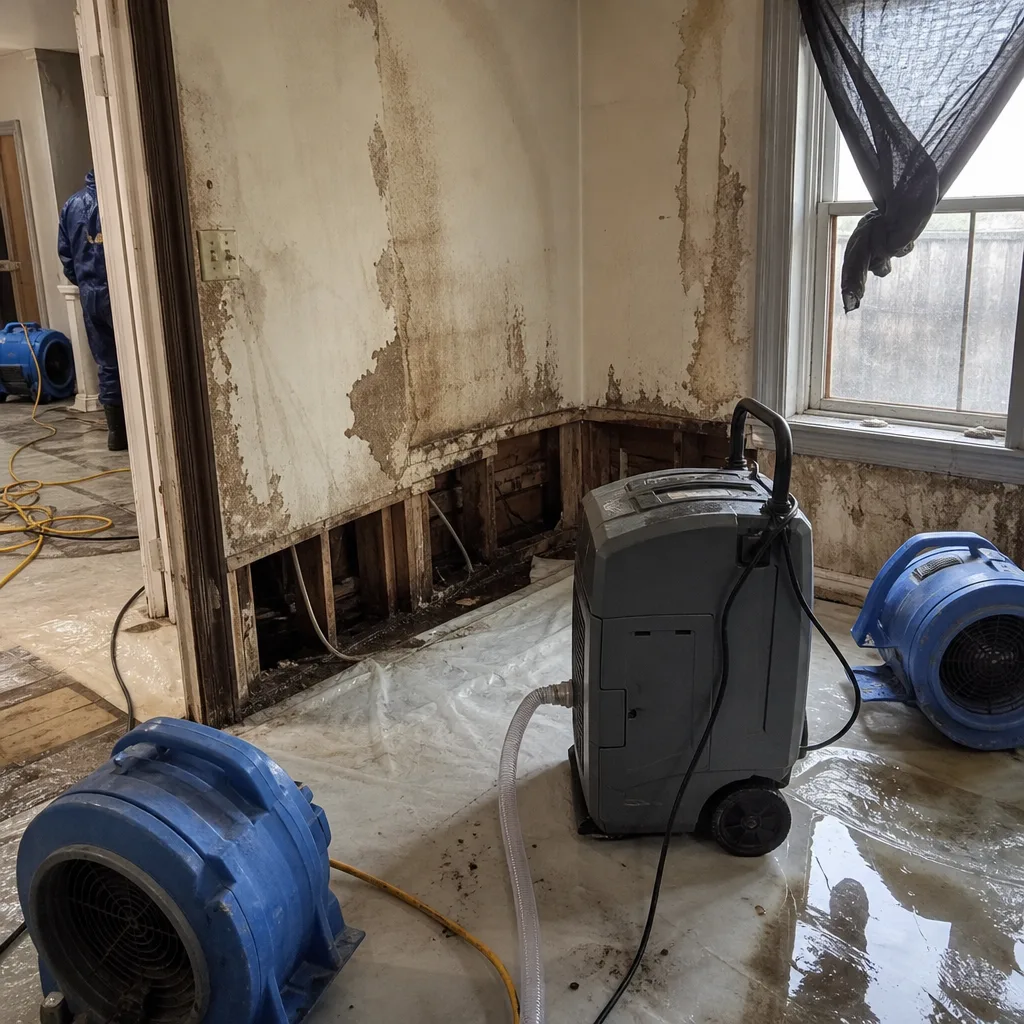 Before
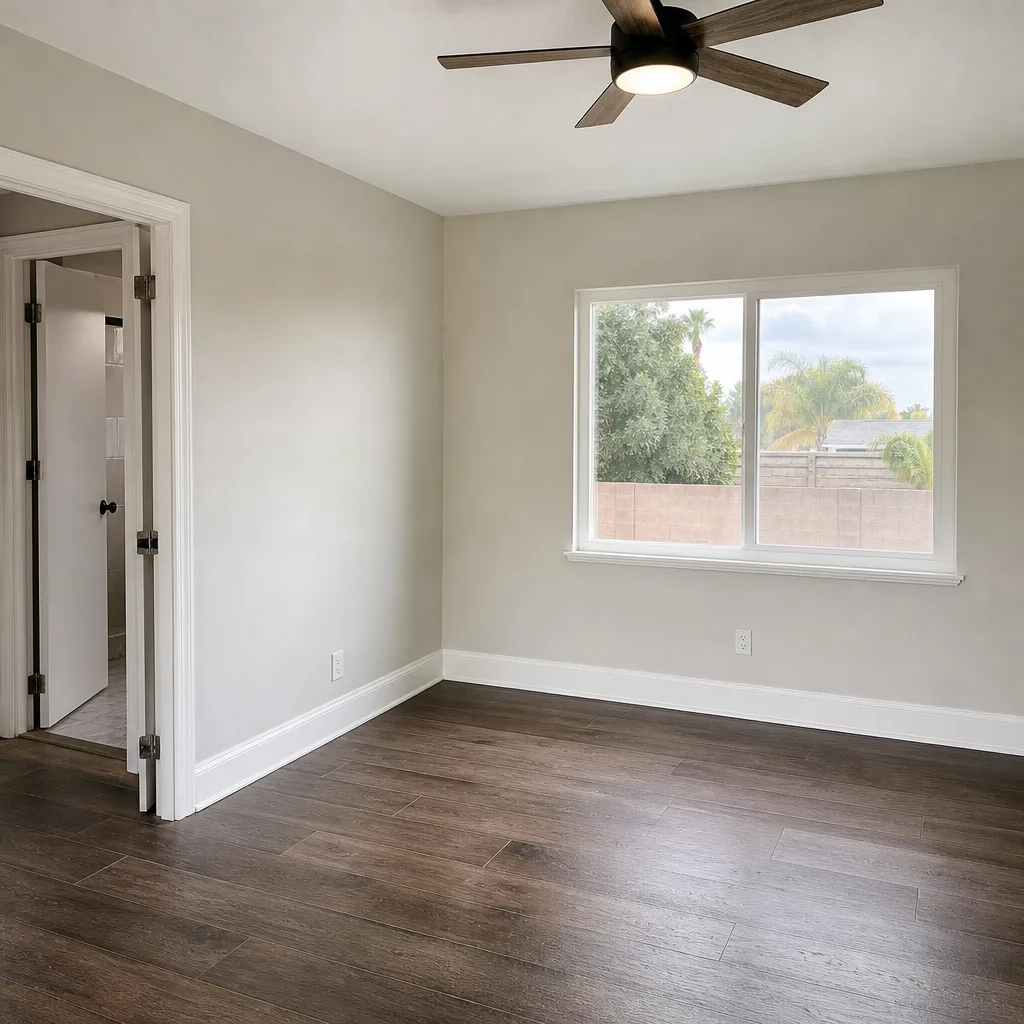 After
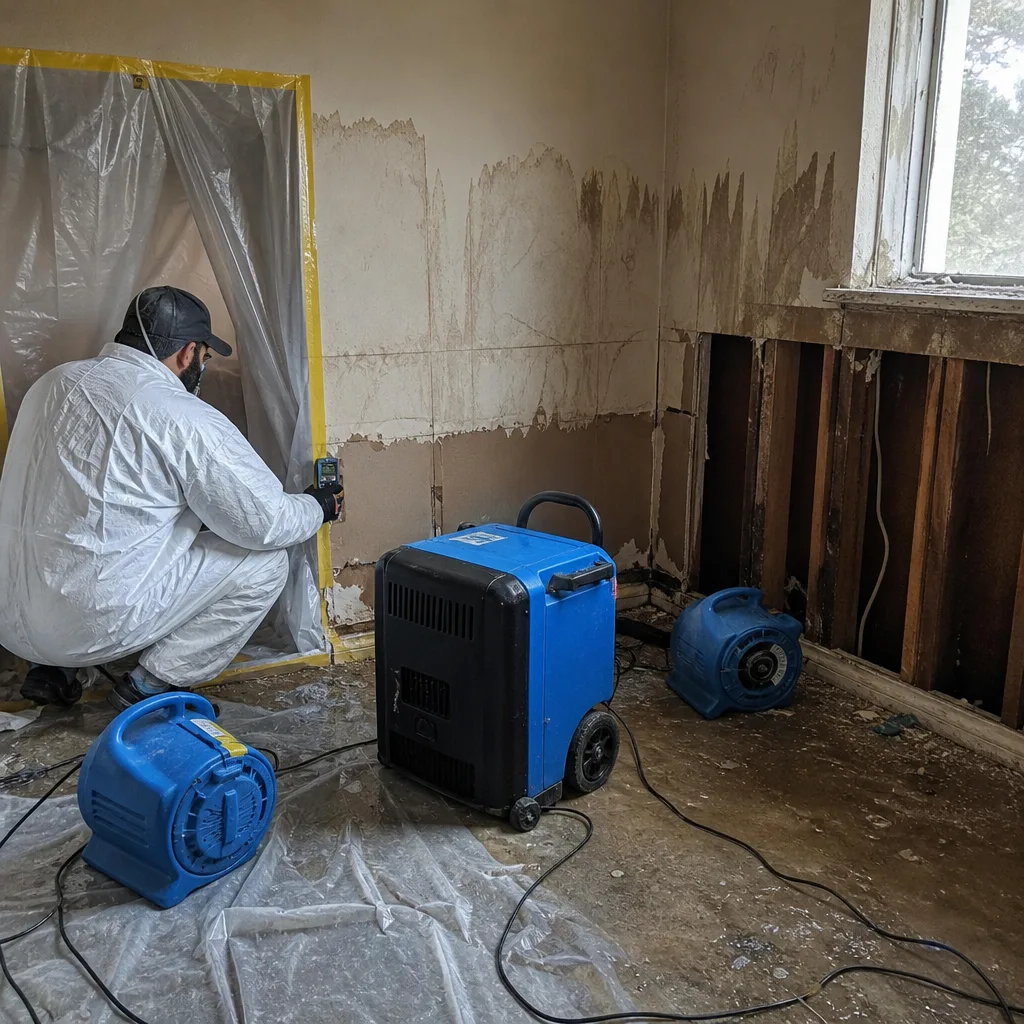 Before
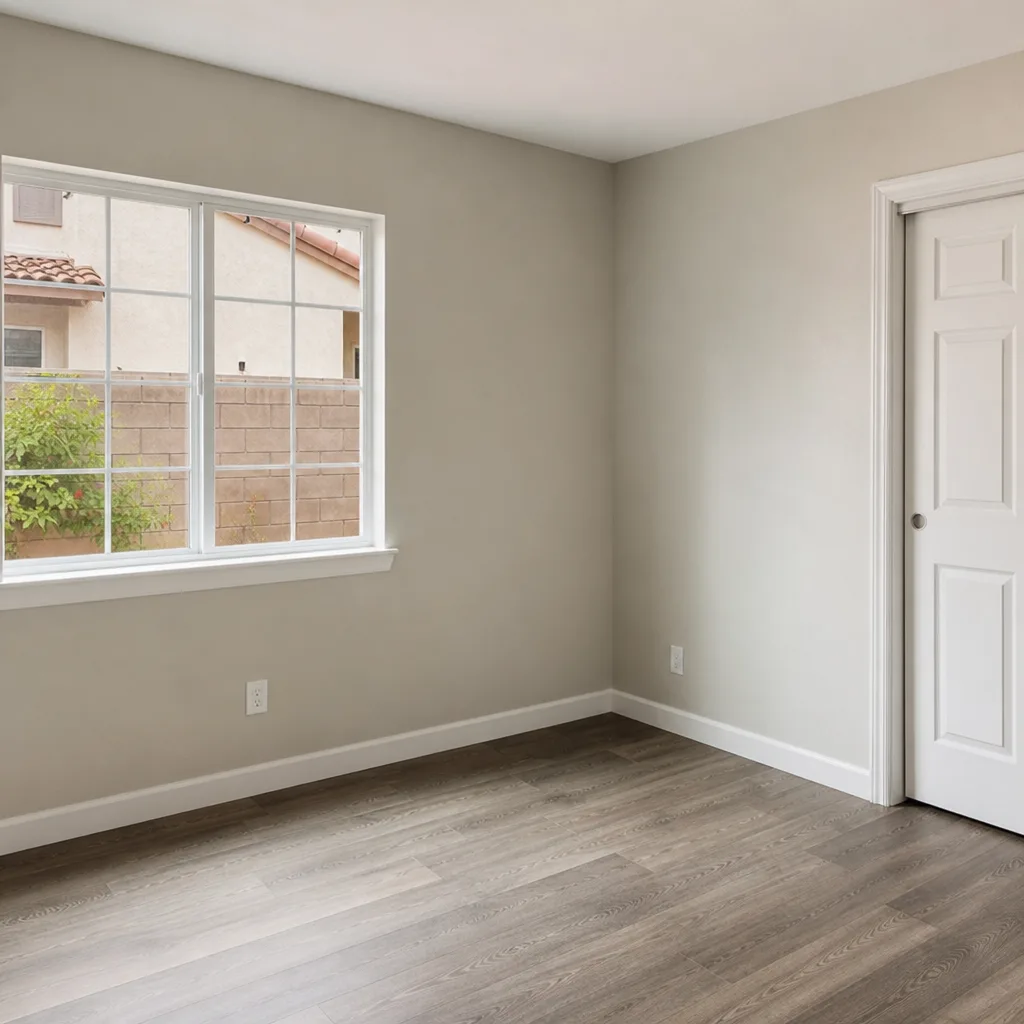 After