Last updated October 30, 2026
 Water damage drying
 Fire & smoke cleanup
 Mold remediation
 Storm response
 Sewage cleanup
 Reconstruction
Free visual inspection and a written scope of work before any mitigation begins - photos, moisture readings, and drying logs go in your claim file
The scope we write is the scope we bill. Anything new gets shown to you, in writing, before we touch it.
Get your free estimateThe Complete Water Damage Restoration Guide for Murrieta Homeowners
Most water damage in Murrieta doesn’t fail at the extraction stage. It fails 72 hours later, when residual moisture trapped in concrete slab assemblies goes unmeasured and mold colonization begins inside wall cavities that look perfectly dry from the outside. That’s the counterintuitive reality of restoration in this valley: what you can’t see is what costs you. This guide maps the full Water Damage Restoration services process to Murrieta’s specific construction patterns, climate conditions, and water failure modes. You’ll learn what a correctly executed job looks like, which equipment configurations actually work here, and how to verify credentials before anyone places a fan.
Restoration work we handle
Quick Answer
Water damage restoration in Murrieta requires drying protocols calibrated for slab-on-grade construction and inland valley climate conditions. A proper restoration includes Category classification, moisture mapping of concrete slabs and wall cavities, professional-grade drying equipment (Dri-Eaz, Phoenix, XPOWER, B-Air, Injectidry), and documented moisture verification before certification. Homeowners should understand that Murrieta homes fail differently than coastal or basement homes, and restoration companies must adjust their approach accordingly.
Table of Contents
- Why Murrieta’s Slab-on-Grade Construction Changes Everything
- Understanding Water Categories: Why Murrieta Homes Skew Toward Contamination
- Psychrometrics in the Inland Valley: How Murrieta’s Climate Affects Drying
- What a Properly Scoped Moisture Map Looks Like
- Equipment Configurations That Actually Work on Murrieta Slab Homes
- Credentials That Matter: IICRC, RIA, and IFA Explained
- The 7-Step Restoration Process, From First Call to Dry
- Common Mistakes to Avoid
- When to Call a Professional
- Frequently Asked Questions
- The Bottom Line
Why Murrieta’s Slab-on-Grade Construction Changes Everything
Walk through any tract built in Murrieta between 1990 and 2020 and you’ll find the same structural signature: concrete slab foundations, no basement, no crawl space. That matters more than most homeowners realize when water releases inside the home. On the East Coast or in the Bay Area, water that reaches the floor has somewhere to go, namely into a basement or crawl space where air movement can dry the underside. In Murrieta, water released onto a slab has exactly one place to travel: laterally, through the concrete itself, into wall baseplates, under cabinetry, and into the interstitial spaces between drywall and framing.
Concrete is porous. It wicks moisture. A slab that got wet along one edge will distribute that water through capillary action, often reaching areas six to ten feet away from the original release point without ever showing visible wetness. We’ve seen kitchens in Murrieta neighborhoods like Bear Creek and Murrieta Heights where a refrigerator supply line leaked behind the unit for weeks. The tile floor looked dry from above. The slab beneath was saturated, and the moisture had migrated into the toe-kicks of adjacent cabinetry and the baseplates of two interior walls.
This is why Water Damage Restoration in Murrieta requires a different diagnostic approach than restoration in areas with raised foundations. Technicians must take moisture readings directly on and in the concrete slab, not just on wall surfaces and flooring. Non-penetrating meters won’t tell you what’s happening inside a slab. You need penetrating probes, drilled at intervals, to map the moisture gradient through the concrete. You need to understand that drywall that reads 12% moisture content at eye level may sit on a baseplate reading 28% at the floor line, pulling water up through capillary rise.
In our experience, the single most common failure point in Murrieta water damage jobs is the assumption that extracted water equals removed water. Extraction removes standing water. It does not remove bound water trapped in concrete, wood, and drywall. That requires either aggressive air movement and dehumidification over days, or targeted systems like Injectidry that apply negative pressure directly inside wall cavities and under cabinetry. The structure of a Murrieta home dictates which approach is viable. You cannot dry what you cannot reach with airflow, and slab construction creates thousands of unreachable pockets.
Understanding Water Categories: Why Murrieta Homes Skew Toward Contamination
The restoration industry classifies water damage into three categories defined by the IICRC S500 standard. Category 1 is clean water from a sanitary source: a broken supply line, a failed faucet connector, a leaking water heater that hasn’t sat long. Category 2 is gray water with some contamination: dishwasher discharge, washing machine overflow, sump pump failures. Category 3 is black water, grossly contaminated: sewage backups, toilet overflows with feces, flood water from outside, any Category 1 or 2 water that sat for more than 48 to 72 hours and supported microbial growth.
Here’s what Murrieta homeowners need to understand: the majority of water losses in this city start as Category 1 and become Category 2 or 3 before a restoration company ever arrives. Why? Murrieta’s housing stock is aging into the failure window for original plumbing components. Copper supply lines installed in the 1990s and early 2000s are reaching the end of their service life. Water heaters, especially those in garages that get blasted by Riverside County summer heat, fail earlier than national averages. The hot water heater in a Murrieta garage sees ambient temperatures above 100 degrees for weeks each summer, which accelerates tank corrosion and anode depletion.
The critical distinction: Category 1 water can typically be dried in place with proper equipment. Category 2 and 3 water require removal of affected porous materials, contamination protocols, and often antimicrobial application before drying can begin. Carpet padding that absorbed Category 2 water gets discarded. Drywall that wicked Category 3 water gets cut out and replaced. The cost differential is significant, and the health implications are real.
If you’ve had water sitting in your Murrieta home for more than 48 hours, you are no longer dealing with a drying project. You are dealing with a contamination event that requires protocols closer to mold remediation than simple extraction. This matters for insurance claims too. Your adjuster will want documentation of what category the water was when the loss was discovered, and what category it had become by the time mitigation began. Proper documentation from a certified restoration company protects your claim.
Psychrometrics in the Inland Valley: How Murrieta’s Climate Affects Drying
Psychrometrics is the science of air properties: temperature, humidity, and their relationship to moisture removal. It’s the foundation of every legitimate drying plan. And Murrieta’s microclimate creates conditions that generic drying formulas simply get wrong.
In July and August, Murrieta sees daytime highs in the 90s with relative humidity often below 30%. That sounds like great drying weather, but the reality is more complicated. Low outdoor humidity creates a steep vapor pressure differential that pulls moisture out of wet materials faster, which is good. But it also means a restoration company must monitor dryness continuously to avoid over-drying, which causes cracking, warping, and secondary damage to hardwood, millwork, and even drywall joints. An unprotected drying setup in a Murrieta summer can dry the surface too fast while the core of the slab or the wall cavity remains wet, creating what is called case hardening, a barrier that traps moisture deep inside the material.
In winter, the picture inverts. Murrieta’s winter months bring cooler temperatures and higher relative humidity, especially at night and in the low-lying areas along Murrieta Creek and the Santa Rosa Plateau. When outdoor humidity exceeds 60%, standard drying equipment that exchanges air with the outdoors becomes less efficient. This is when refrigerant dehumidifiers pull moisture out of the air inside the structure, and when desiccant dehumidifiers, which work well at lower temperatures, become strategically important.
The equipment that works in a Riverside summer is not necessarily the right equipment for a Murrieta winter morning. A restoration company that shows up with the same setup in December that they used in August is not doing psychrometric calculations. They’re guessing. The correct approach is to measure indoor temperature, relative humidity, and specific humidity, then calculate grains per pound and set drying targets accordingly. Every drying chamber should have a documented daily record of these readings, and the drying plan should be adjusted based on actual measurements, not assumptions.
What a Properly Scoped Moisture Map Looks Like
A moisture map is a documented record of moisture readings taken throughout the affected area before equipment is placed, during the drying process, and at the point of certification. It is the difference between a restoration company that knows where water traveled and one that assumes. If you are working with a company that doesn’t create a moisture map, you are working with a company that cannot prove they dried your structure.
A properly scoped moisture map for a Murrieta slab home includes readings at these specific assemblies:
- Concrete slab readings at the release point, at 2-foot intervals moving outward, and at a minimum of three depths using penetrating probes. Slab readings are documented as a percentage or comparative scale, never just “wet” or “dry.”
- Wall baseplate readings at the floor line on every wall adjacent to the affected area, including walls with no visible damage. Water travels along plates quickly, and baseplates wick upward into studs.
- Drywall readings at the floor line, 12 inches up, and 24 inches up on every affected wall. Gradient readings show whether water is rising or falling in the wall assembly.
- Cabinet toe-kick and base readings on any cabinetry within four feet of the release point. Cabins in Murrieta kitchens are often installed directly on slab, and the toe-kick cavity traps moisture perfectly.
- Subfloor readings beneath any flooring material that remained in place. This requires either lifting flooring or using penetrating meters with extension probes.
- Ceiling and wall cavity readings anywhere water ran through a wall from an upstairs leak to a downstairs ceiling, common in two-story Murrieta homes in neighborhoods like Rancho Bella Vista.
Each reading is recorded with a date, time, and equipment calibration status. A dry standard is established using an unaffected area of the same material, and all readings are compared against that baseline. The job is dry when affected materials return to within acceptable range of the dry standard for three consecutive days, documented daily. Not when the homeowner says it feels dry. Not when the visible stain has faded. When the numbers say dry.
This documentation is also what protects you if a dispute arises with insurance. A properly maintained moisture map is evidence. Without it, you’re arguing with opinions.
Equipment Configurations That Actually Work on Murrieta Slab Homes
Murrieta slab homes have specific drying challenges that dictate equipment selection. A crawl-space home can dry from below using ventilation and dehumidification in the crawl. A slab home cannot. The slab is the bottom of the drying chamber, and it holds water. That means the equipment configuration must drive air across the surface of the slab and pull moisture out of the structure above it.
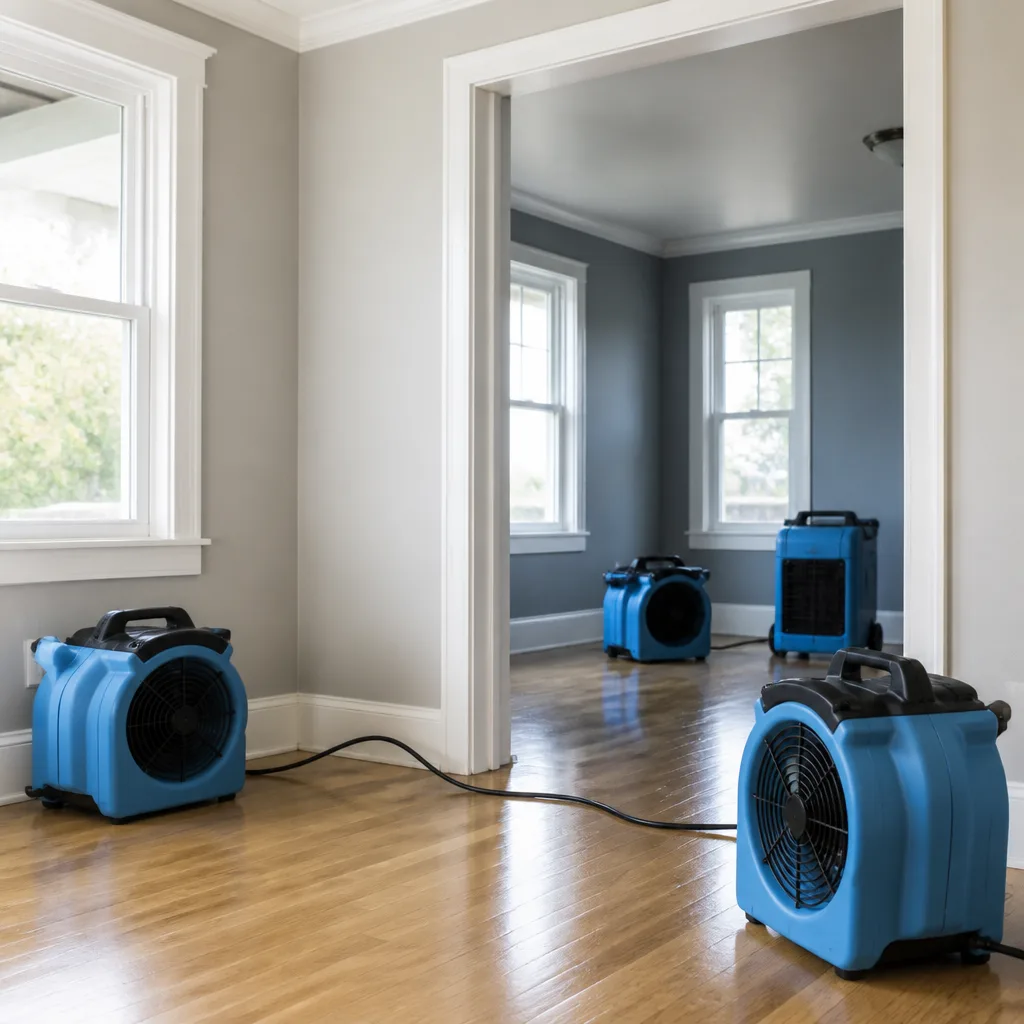
The workhorses are professional-grade air movers and dehumidifiers. In our work, we use Dri-Eaz air movers, Phoenix dehumidifiers, and XPOWER supplemental units because these are the brands built for continuous commercial operation. A homeowner-grade fan from a hardware store moves air but doesn’t create the focused, high-velocity airflow needed to push moisture out of carpet, pad, and the top layer of concrete. The difference is measurable in gallons per day removed from the air.
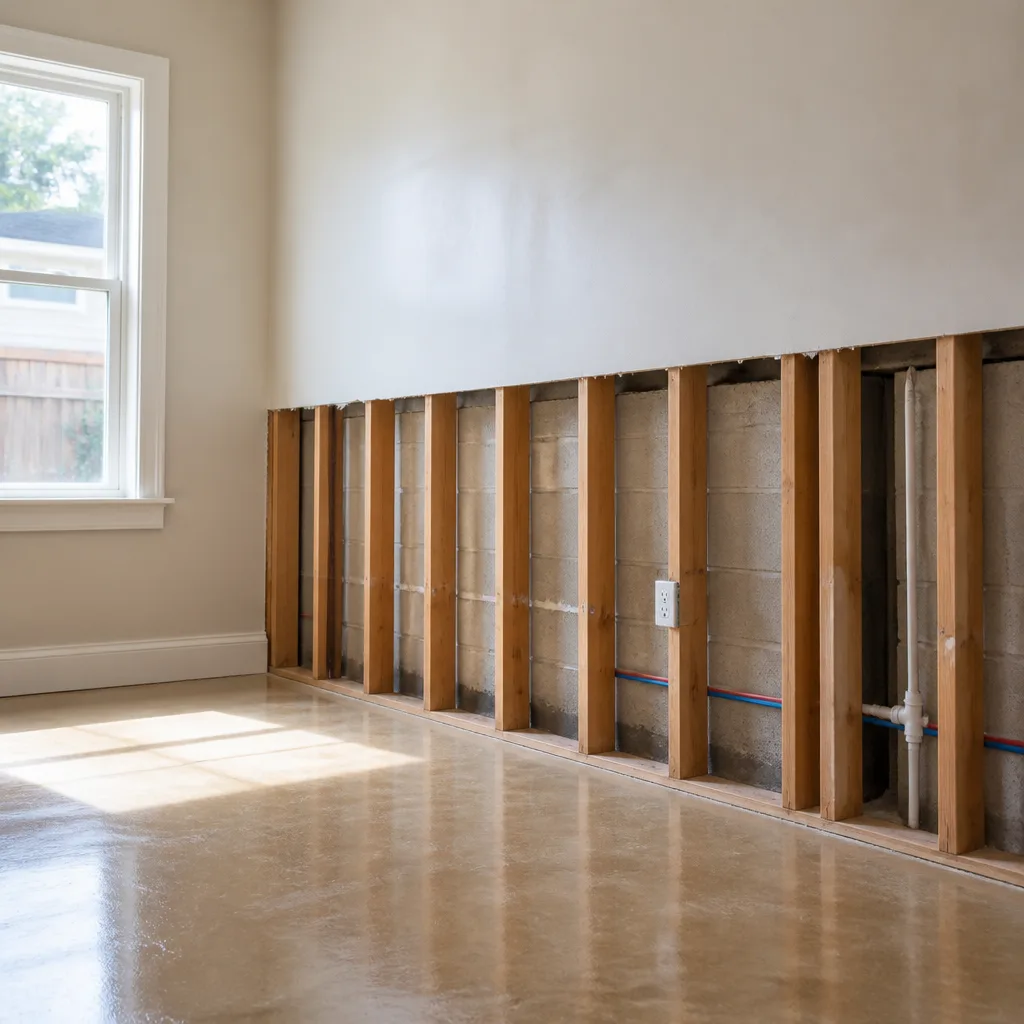
For wall cavities and under-cabinet spaces, the right tool is an Injectidry system. Injectidry applies suction directly inside cavities through small access points, pulling moisture out of trapped spaces that air movers cannot reach. In a Murrieta kitchen with saturated toe-kicks and a wet slab under the cabinets, Injectidry panels connected to a manifold can dry those concealed spaces without removing the cabinetry. The alternative is demolition. Without cavity drying, the standard approach is to pull the cabinets, cut the drywall, and replace both. With Injectidry, significant portions of that demolition can be avoided, which means a faster restoration and a smaller claim for your insurance carrier.
Dehumidification strategy follows the psychrometric conditions. In Murrieta’s hot, dry summer months, a restoration team will often run fewer air movers but more aggressive dehumidification to prevent case hardening while still pulling moisture from the slab. In winter, when outdoor humidity rises, the dehumidification load increases because the air holds more moisture at lower temperatures. A technician who doesn’t calculate the grains per pound in the air and adjust the equipment accordingly is doing guesswork, not drying science.
Credentials That Matter: IICRC, RIA, and IFA Explained
Anyone can buy a fan and call themselves a water damage company. The credentialing landscape in the restoration industry is what separates technicians who follow documented standards from those who improvise. Here’s what the letters actually mean and why they matter when you’re choosing a restoration partner in Murrieta.
The IICRC, the Institute of Inspection, Cleaning and Restoration Certification, is the primary certifying body for the restoration industry. Its S500 Standard and Reference Guide for Professional Water Damage Restoration is the published standard that defines everything from water categories to drying chamber requirements to equipment specifications. When a company says it performs work to IICRC S500 standards, it means the technicians follow a written protocol, not personal preference. The three certifications that matter for water damage work are:
- WRT (Water Damage Restoration Technician): The foundational certification covering extraction, drying science, and structural drying principles. Every technician who touches your water damage should hold this.
- ASD (Applied Structural Drying): The advanced certification focused on drying complex structural assemblies, including slabs, wall cavities, and multi-level structures. This is the certification that matters for Murrieta slab homes.
- AMRT (Applied Microbial Remediation Technician): The certification for handling mold and contamination, which becomes relevant when a water loss sits too long or when Category 2 or 3 water is involved.
The RIA, the Restoration Industry Association, is the professional trade organization for restoration companies. Membership signals a company that participates in industry education, stays current on standards, and operates with professional accountability beyond a marketing claim. The IFA, covering indoor air quality, flood, and fire associations, adds another layer of multi-organization oversight. When a company aligns with all three, it is not coasting on a single certification from a decade ago.
Verification is simple. Ask the company to show you current IICRC certification cards for the technicians who will actually be on your job. Ask for the certification numbers and verify them on the IICRC website. A legitimate company will have no problem with this. A company that deflects or claims certification without documentation is telling you something important.
Murrieta homeowners who are dealing with a water loss also need to understand that water damage frequently cascades into Mold Remediation in Murrieta when drying is incomplete or delayed. A restoration company that holds both water and mold credentials can handle that transition without bringing in unfamiliar subcontractors. The same applies after a secondary event; water damage that follows a Fire Damage Restoration in Murrieta from fire suppression efforts requires the same team to understand how the two damage types interact in the structure.
The 7-Step Restoration Process, From First Call to Dry
Every water damage restoration project in Murrieta should follow a documented sequence. Here is what a correctly executed job looks like, step by step, based on IICRC S500 protocols.
- Initial Assessment and Source Identification: The restoration team identifies the water source and confirms it has been stopped. If a supply line is still leaking or a water heater is still draining, no drying work can begin. This step includes determining the water category and documenting the affected area with photographs.
- Extraction: Standing water is removed using professional extraction equipment. This is not a shop vac. Commercial extractors remove water at rates measured in gallons per minute. Every gallon of water extracted now is a gallon that doesn’t have to evaporate through the drying equipment later.
- Initial Moisture Mapping: The restoration team takes baseline moisture readings throughout the affected area and establishes the drying standard from an unaffected area. This is the critical documentation step that measures against future readings.
- Demolition and Removal of Unsalvageable Materials: Category 2 or 3 water may require removal of carpet, pad, affected drywall, and insulation. This is also when decisions are made about what can be saved through in-place drying versus what must be removed.
- Equipment Placement and Drying Chamber Setup: Air movers, dehumidifiers, and Injectidry systems are placed according to the drying plan derived from the moisture map and psychrometric calculations. The chamber is sealed if necessary to concentrate drying effort.
- Daily Monitoring and Adjustment: Moisture readings are taken daily and documented. Equipment is moved or reconfigured based on drying progress. The drying plan is a living document, not a one-time setup.
- Final Verification and Job Certification: The job is complete when three consecutive days of readings show all affected materials have returned to the established dry standard. The moisture map is finalized and documented. The home is certified dry, and the restoration phase can begin if demolition occurred.
Notice what is not on this list: guesswork, fan placement by feel, “checking it in a week.” A legitimate restoration project is a documented, measured, verifiable process from the first assessment to the final certification. Murrieta homeowners who settle for less are accepting risk they cannot see.
Common Mistakes to Avoid
- Waiting to call because the water stopped spreading: Water that has stopped spreading is still migrating through the slab and into wall assemblies. In Murrieta’s warm climate, mold begins colonizing in as little as 48 hours. Every hour of delay increases the restoration cost and the demolition required.
- Using a shop vac and box fans from the garage: Homeowner-grade equipment cannot generate the airflow or dehumidification capacity needed to dry structural materials. It moves air around. It does not dry a saturated slab or wall cavity. By the time visible mold appears, the damage has already moved behind the drywall.
- Hiring a company based on the lowest estimate: Restoration is priced by scope, and the lowest bid is lowest because something is being left out, usually equipment days, monitoring, or proper documentation. When the home is not dry and the contractor is gone, the low bid becomes the most expensive mistake.
- Skipping moisture documentation because it “feels dry”: Materials can feel dry to the touch while holding moisture levels that support mold growth and structural degradation. If the restoration company cannot produce a moisture map with before, during, and after readings, you have no evidence the structure is actually dry.
- Assuming the insurance company will handle everything: The insurance carrier will handle the claim, but your home is still your responsibility. A restoration company that documents properly makes the adjuster’s job easier and protects your claim from underpayment. A company that does not document leaves you negotiating without evidence.
- Not verifying credentials before signing an authorization: Any company can print a logo on a business card. Verify IICRC certification before work begins. It takes three minutes and protects you from unqualified operators with rental equipment.
When to Call a Professional
Any water release that affects more than a few square feet warrants a professional assessment. If water has been present for more than 24 hours, if the source is a sewer line or toilet overflow, if water has penetrated wall cavities or flooring materials, or if you can already smell mustiness, the situation needs professional restoration. Structural drying is not a DIY project, and slab-on-grade construction in Murrieta makes hidden moisture migration almost certain in any significant release. Whitehall Water Damage offers free estimates in Murrieta, and our IICRC-certified technicians follow S500 protocols on every project. Call (844) 643-8708 for an assessment.
Frequently Asked Questions
Water damage restoration in Murrieta typically ranges from $2,500 to $8,000 for a Category 1 loss affecting one to two rooms, with costs rising significantly when Category 2 or 3 water requires material removal and contamination protocols. For a detailed look at what drives these numbers, see our Damage Restoration Cost Breakdown: The Murrieta Homeowner’s Reference for 2026. The cost depends on the affected square footage, water category, equipment days required, and demolition extent. Call (844) 643-8708 for a free estimate based on a documented scope of work.
Most Murrieta water damage projects reach dry standard in 3 to 5 days of active drying, but slab-on-grade construction can extend timelines to 7 to 10 days when moisture has penetrated deeply into concrete. The drying time depends on the saturation level, affected materials, equipment configuration, and Murrieta’s prevailing temperature and humidity conditions at the time of the loss.
Most Murrieta homeowner’s policies cover sudden and accidental water damage, including supply line failures, water heater ruptures, and appliance overflows, subject to the policy deductible. Coverage typically excludes gradual leaks that occurred over weeks or months, which is why immediate documentation of the loss’s cause and timeline matters for your claim. A restoration company that documents the water category and moisture mapping gives your adjuster the evidence needed to process the claim.
For active water releases in Murrieta, same-day response is standard for professional restoration companies, and the initial assessment and extraction should begin the day you call. Preparing ahead of time can save critical hours—review our Damage Restoration Emergency Preparedness Guide for Murrieta Homes. The priority is stopping the source, extracting standing water, and beginning moisture mapping before the 48-hour mold colonization window closes.
If water penetrated flooring, drywall, or wall cavities, a surface cleaning is not enough because hidden moisture will support mold growth and structural damage even after visible surfaces look clean. In Murrieta’s slab homes, water migrates laterally through concrete and wicks into baseplates and studs far beyond the visible wet area. A professional moisture map determines whether drying alone is sufficient or whether materials must be removed.
Murrieta’s slab-on-grade construction, hard water mineral content, and inland valley temperature-humidity patterns create drying conditions that differ significantly from beach-adjacent communities. Concrete slabs wick moisture laterally into wall assemblies, summer heat can cause case hardening if drying is not monitored daily, and winter humidity changes dehumidification requirements. Restoration companies serving Murrieta must adjust equipment configurations and monitoring protocols for these conditions.
The Bottom Line
Water damage restoration in Murrieta is a science with documented standards, measurable outcomes, and specific local challenges. Slab-on-grade construction demands penetrating moisture mapping. Inland valley psychrometrics require adjusted drying plans. Water categories determine material disposal and contamination protocols. Credentials, documentation, and equipment quality are the difference between a home that is actually dry and one that only looks dry. The restoration decision you make in the first hours after water release determines the outcome weeks later. Choose a company with the equipment, the documentation, and the accountability to do it right. For more guides & resources on protecting your Murrieta home, explore our blog.
Written by the team at Whitehall Water Damage, serving Murrieta since 2015.
See the difference
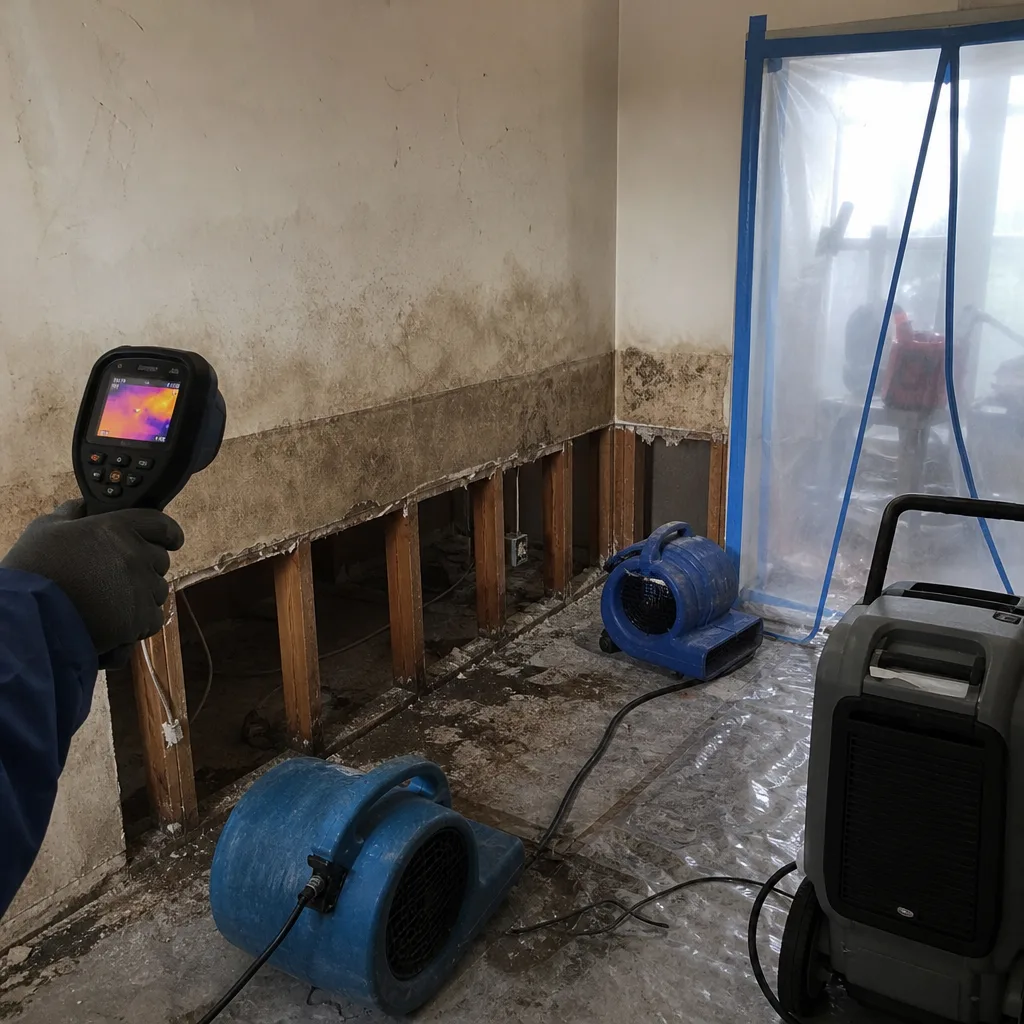 Before
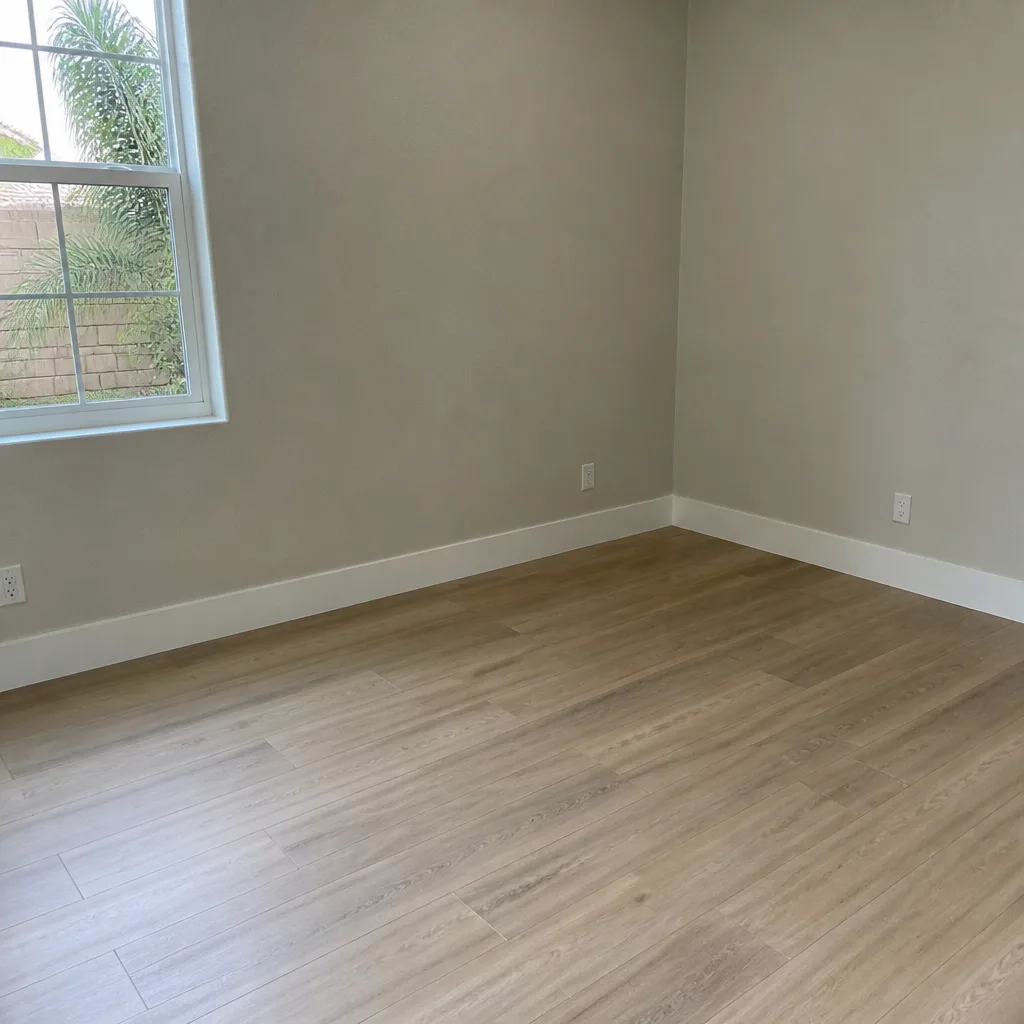 After
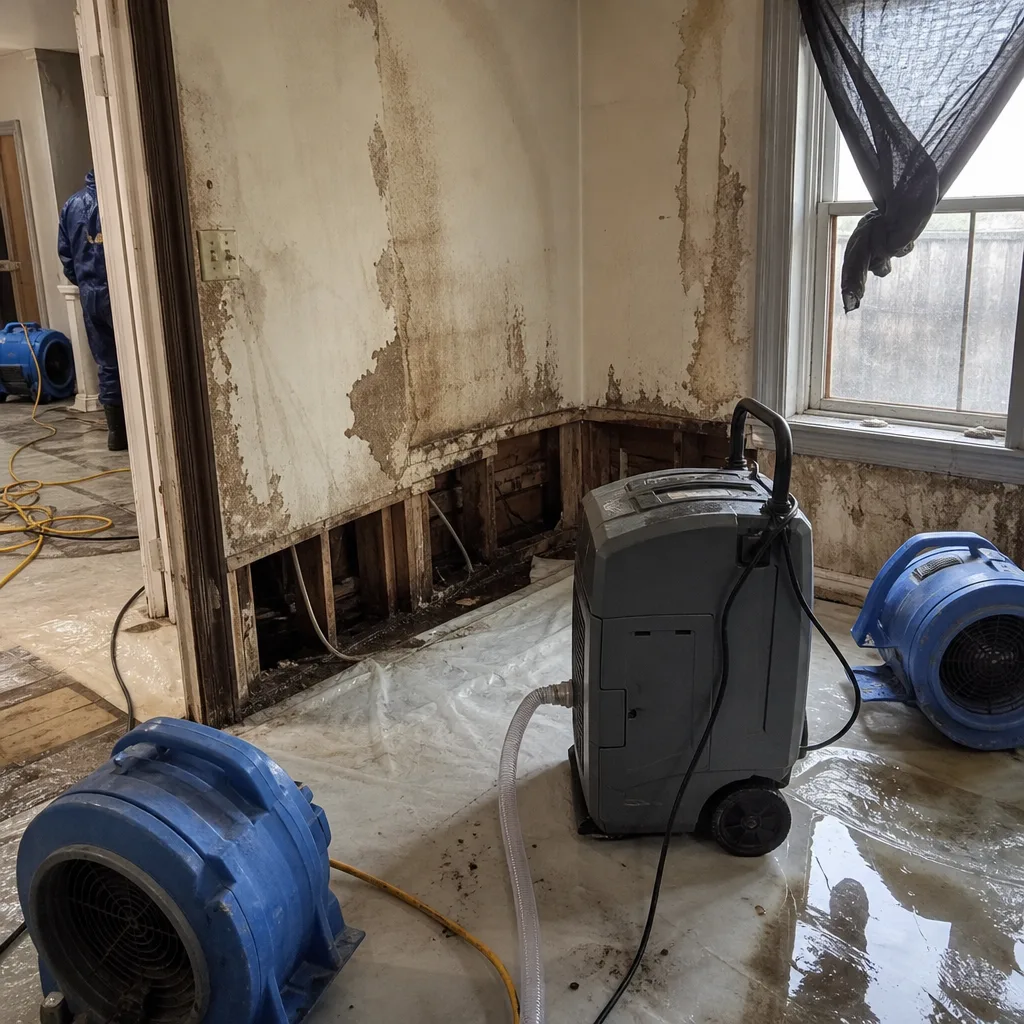 Before
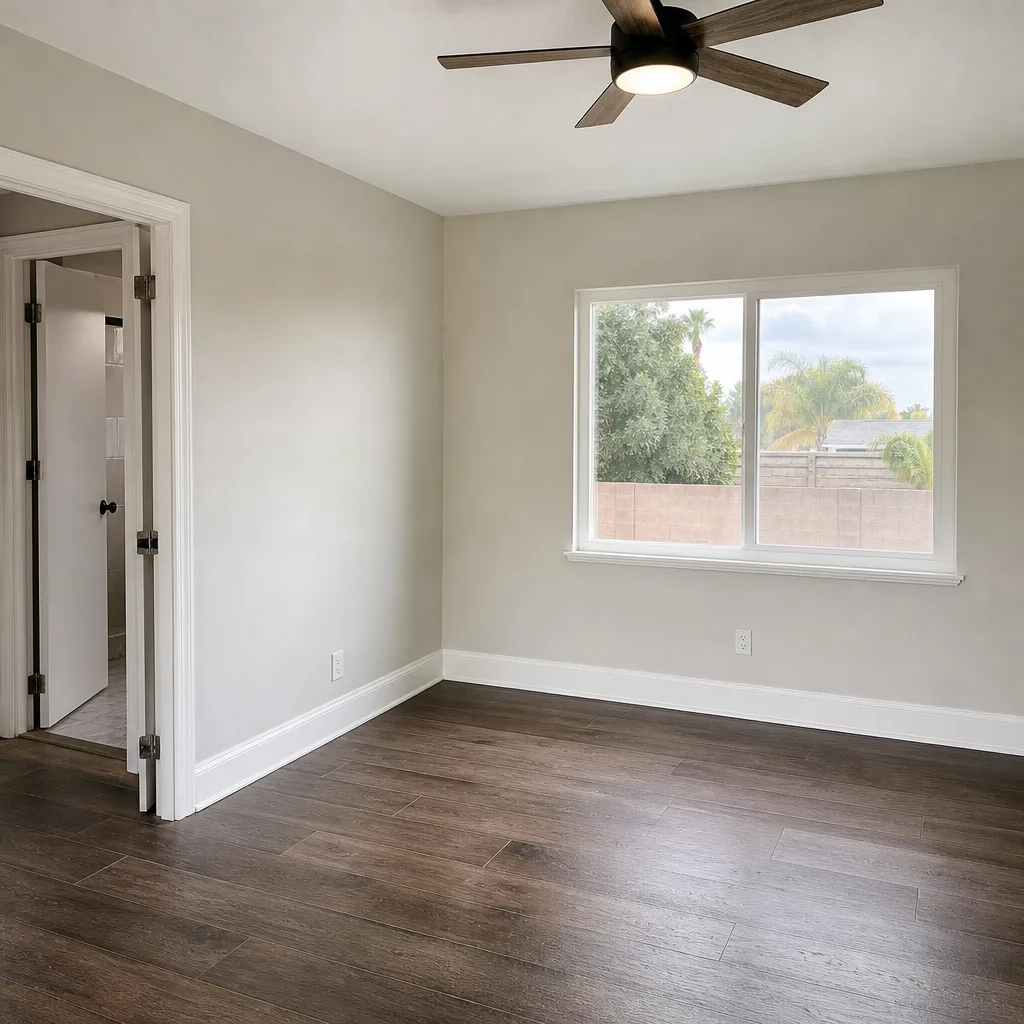 After
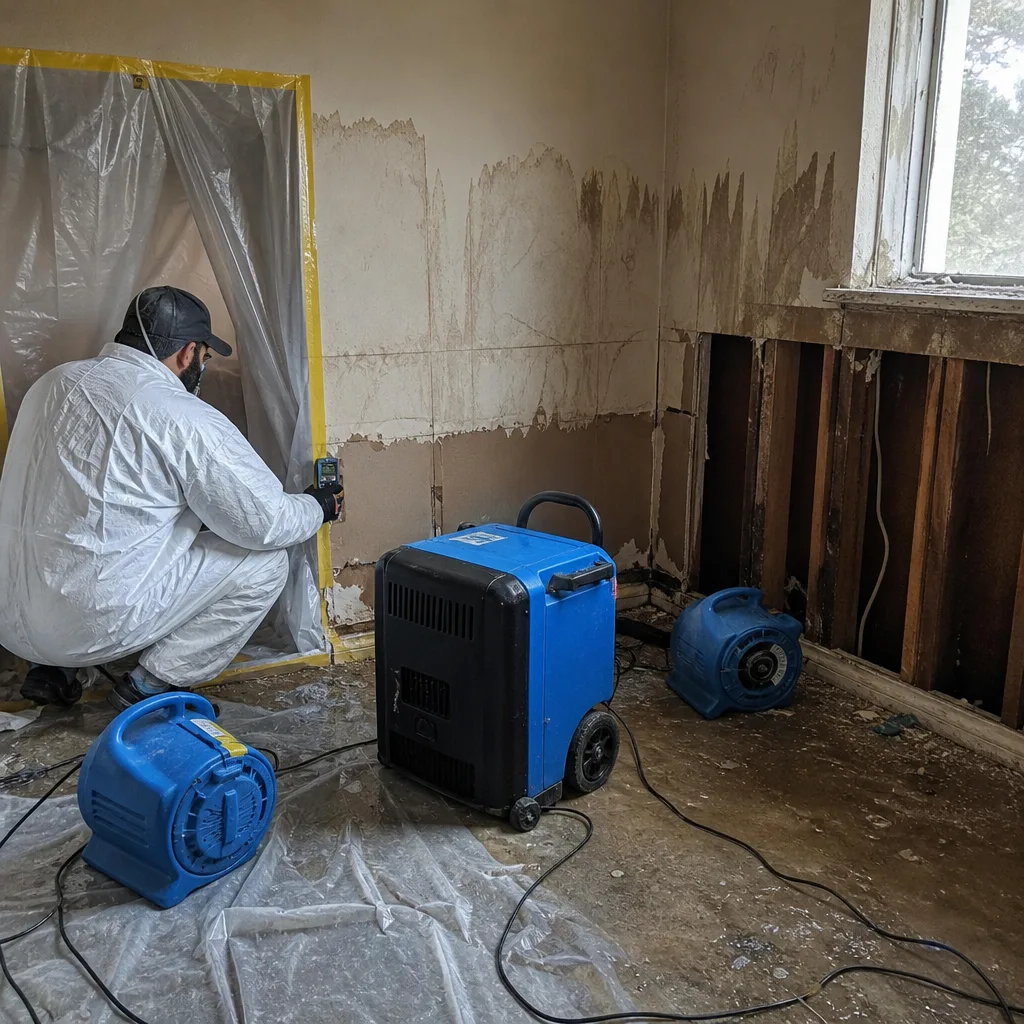 Before
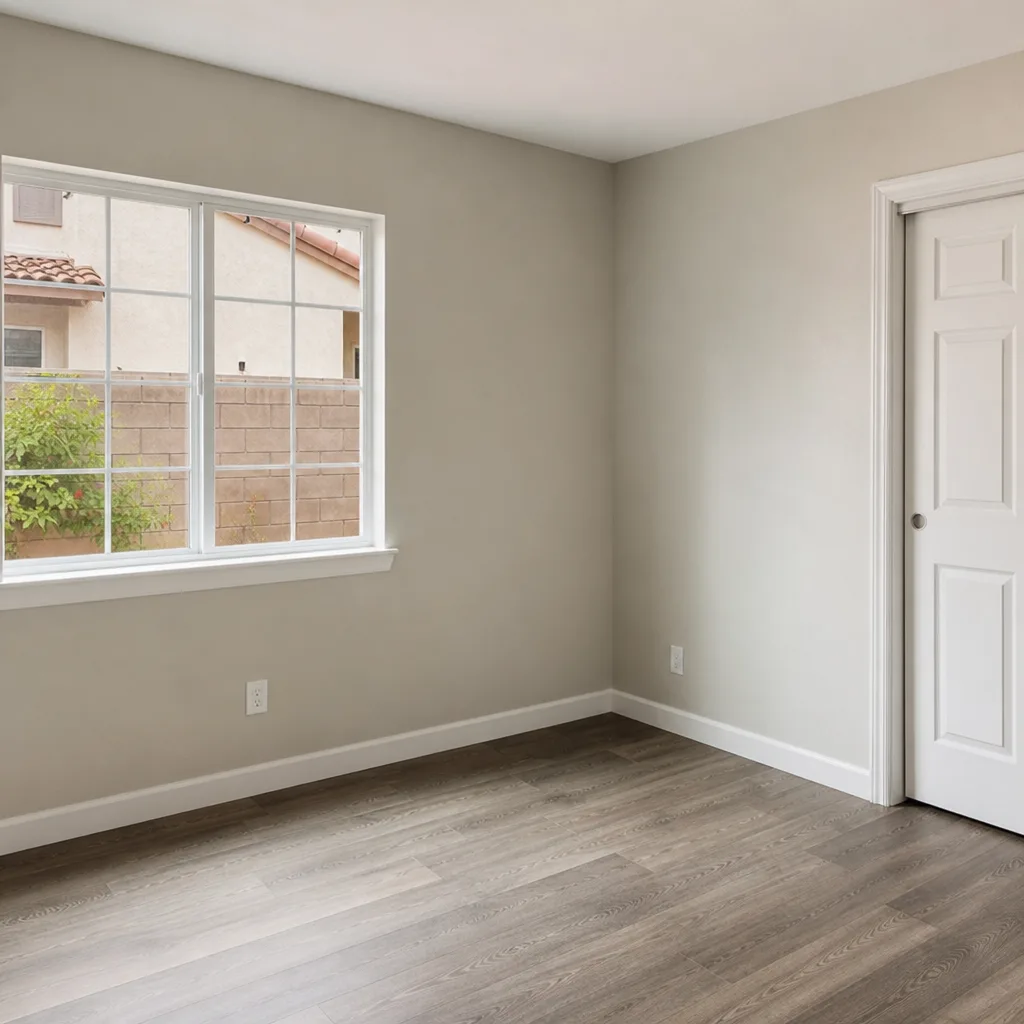 After