Last updated October 30, 2026
 Water damage drying
 Fire & smoke cleanup
 Mold remediation
 Storm response
 Sewage cleanup
 Reconstruction
Free visual inspection and a written scope of work before any mitigation begins - photos, moisture readings, and drying logs go in your claim file
The scope we write is the scope we bill. Anything new gets shown to you, in writing, before we touch it.
Get your free estimateThe Complete Guide to Damage Restoration in Murrieta
A wet wall that passes a visual inspection can still register 20%+ moisture content, enough to grow Stachybotrys mold within 72 hours. The damage isn’t always what you can see; it’s what your contractor’s equipment can measure. Most Murrieta homeowners treat damage restoration as a single event when it’s actually a sequenced science. Skipping or reordering any phase (extraction, drying, remediation, rebuild) compounds both structural and insurance consequences. This guide maps the full technical sequence so you can audit any contractor’s process against industry-standard protocols, not guesswork, and for The Complete Water Damage Restoration Guide for Murrieta Homeowners offers deeper context.
Restoration work we handle
Quick Answer
Damage restoration in Murrieta follows a strict sequence defined by IICRC standards: extraction, structural drying, remediation, and only then reconstruction. Each phase has documented benchmarks that must be met before the next begins. A properly credentialed restoration company serving Murrieta will perform this sequence using commercial-grade drying equipment and psychrometric monitoring, not visual inspection alone.
Table of Contents
- The Restoration Sequence: Why Order of Operations Matters
- Mitigation vs. Remediation vs. Reconstruction: What’s the Difference?
- How Murrieta’s Climate Changes Drying Timelines
- Reading a Moisture Mapping Report: What Your Contractor Should Log
- Scope of Loss Documentation: The Insurance Claim Foundation
- How to Audit Any Restoration Contractor in Murrieta
- Common Mistakes to Avoid
- When to Call a Professional
- Frequently Asked Questions
- The Bottom Line
The Restoration Sequence: Why Order of Operations Matters
Every damage event in Murrieta, whether a supply-line rupture in French Valley, a roof leak in Copper Canyon, or a kitchen fire in Central Murrieta, moves through the same four-phase sequence. The IICRC S500 Standard for Professional Water Damage Restoration and S520 Standard for Mold Remediation define these phases, and they exist for a reason: each phase creates the conditions the next phase requires.
Here is the actual sequence, phase by phase:
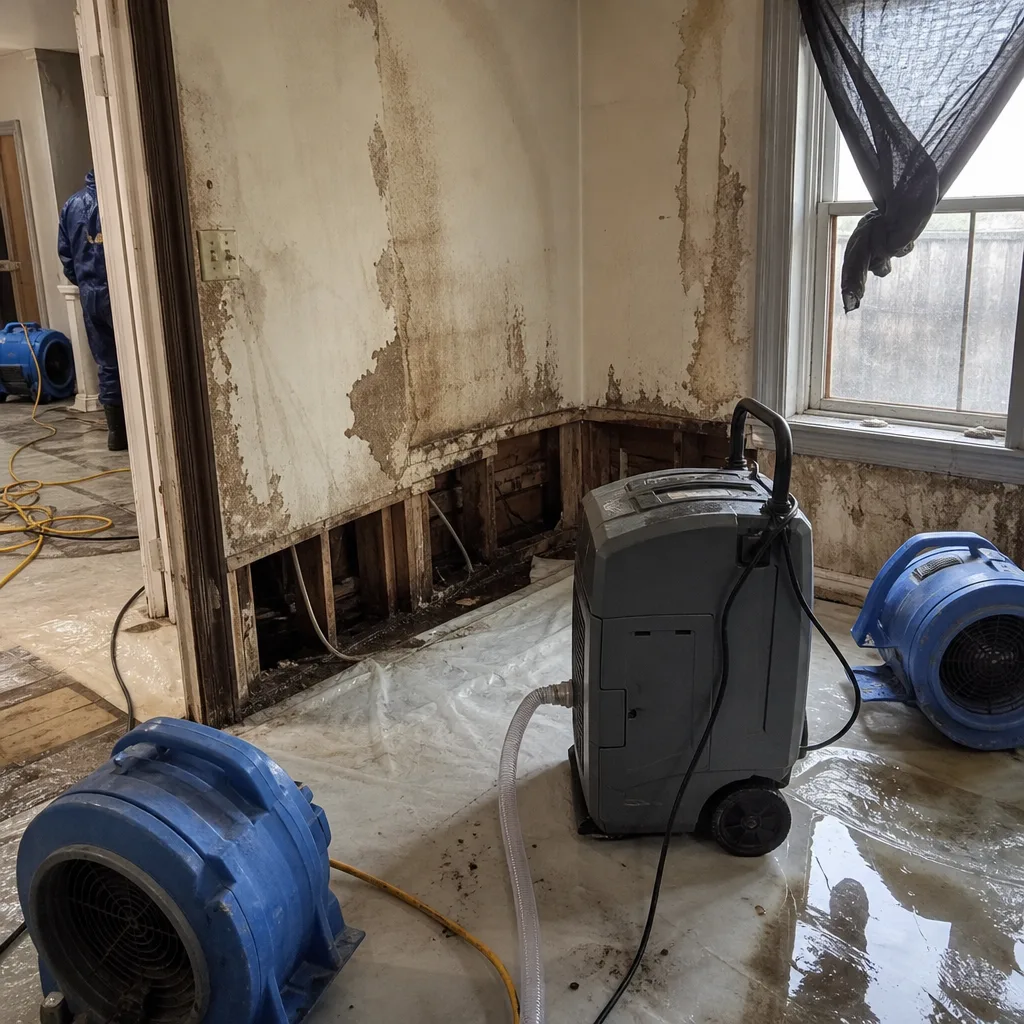
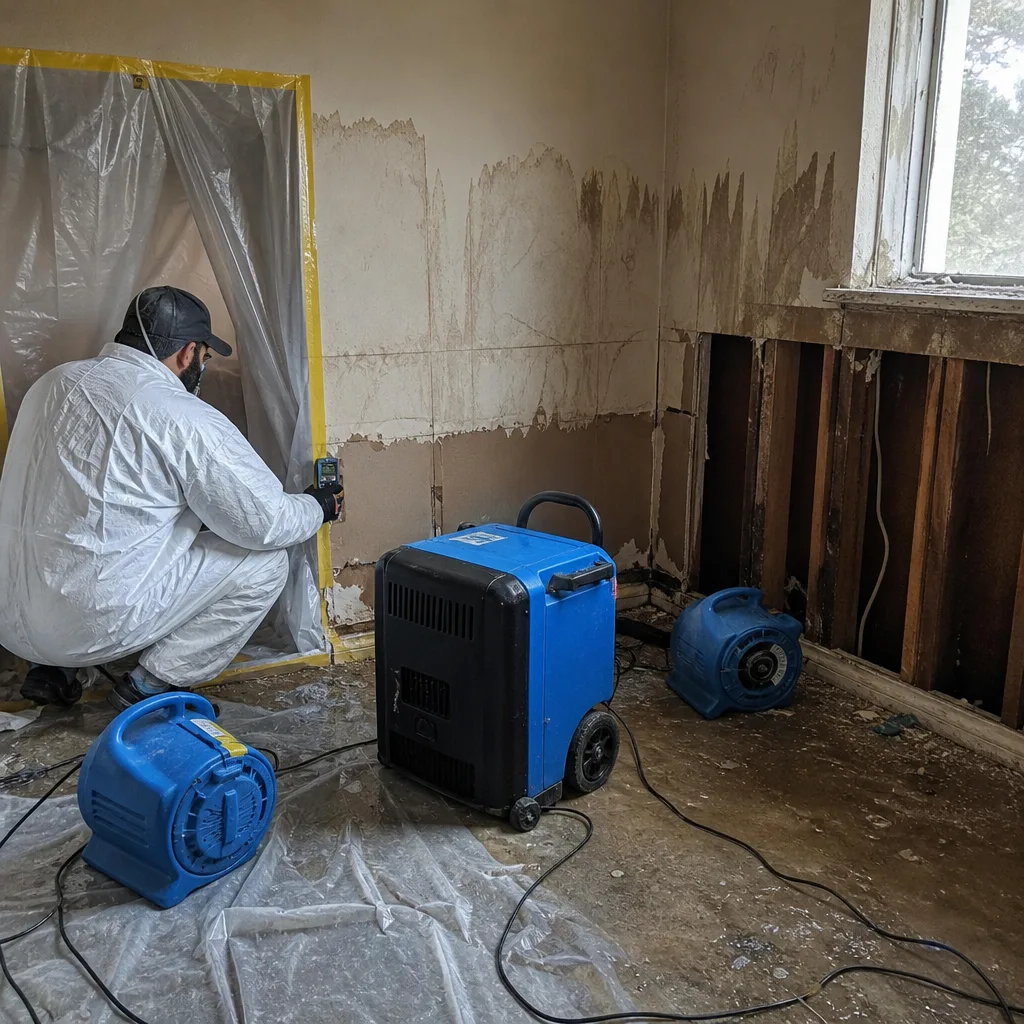
- Phase 1: Emergency Extraction and Containment. Standing water is removed using truck-mounted or portable extraction units. Containment barriers are set to prevent cross-contamination of unaffected areas. For fire damage, soot and char are contained and source odors sealed off. This phase typically begins within hours of the loss.
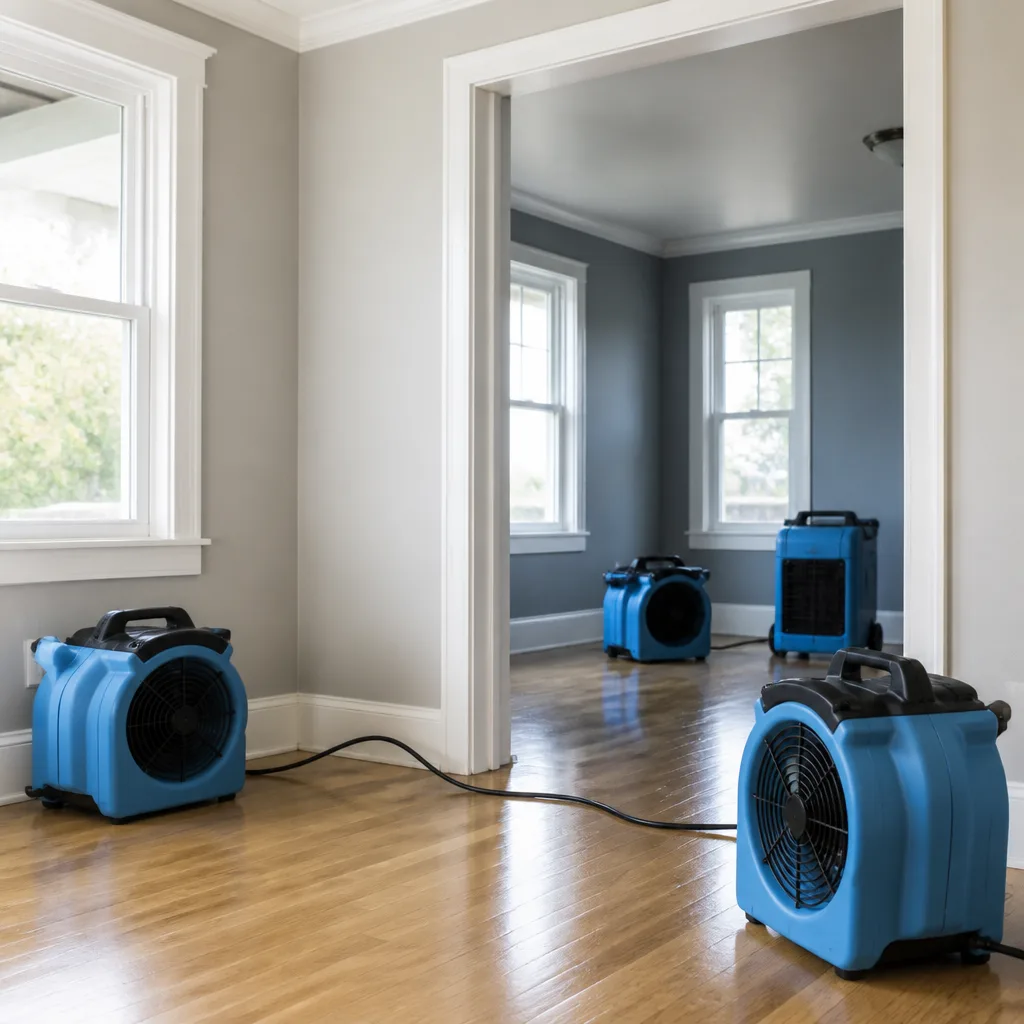
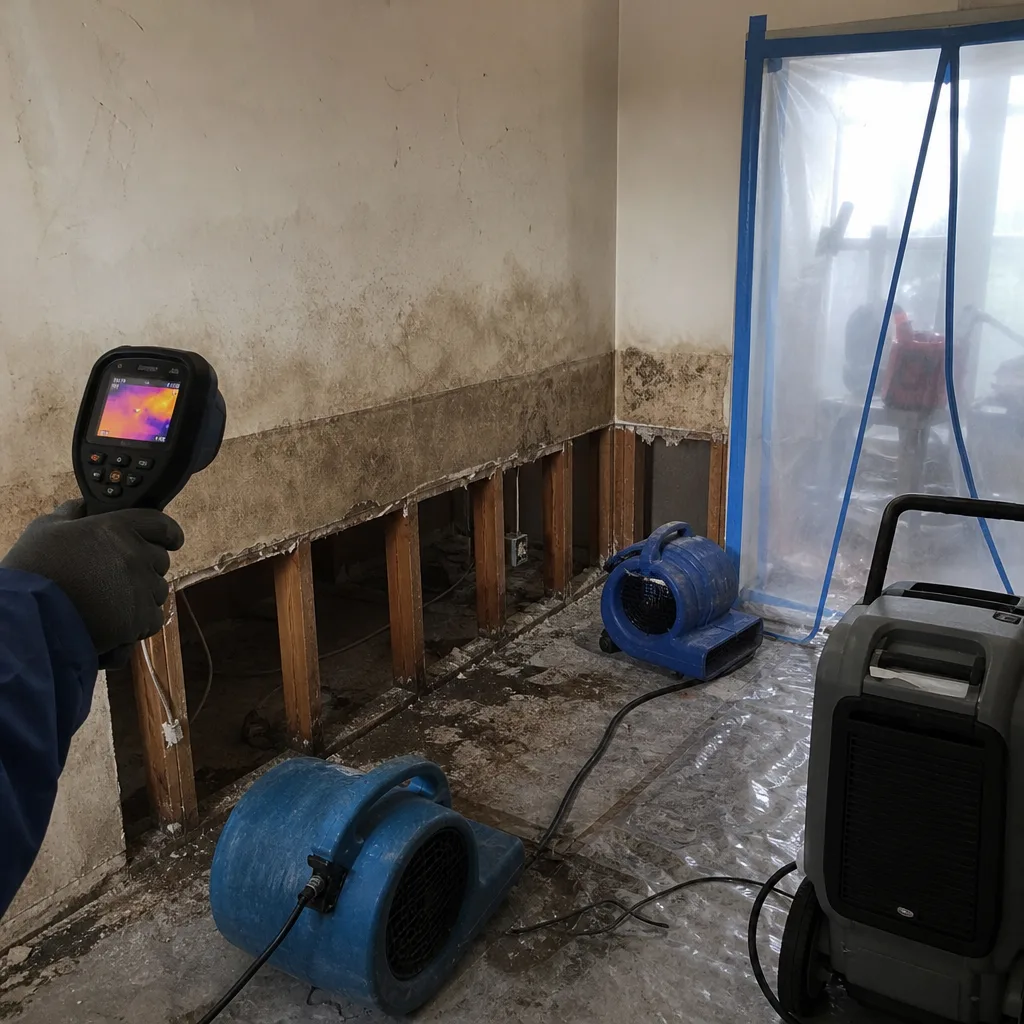
- Phase 2: Structural Drying. Commercial air movers and dehumidifiers are placed based on a psychrometric calculation, not a guess. The goal is to bring every affected building material below a safe moisture threshold, typically 16% for wood framing and under 8% for gypsum. Drying continues until materials reach these benchmarks, verified with moisture meters at multiple depths.
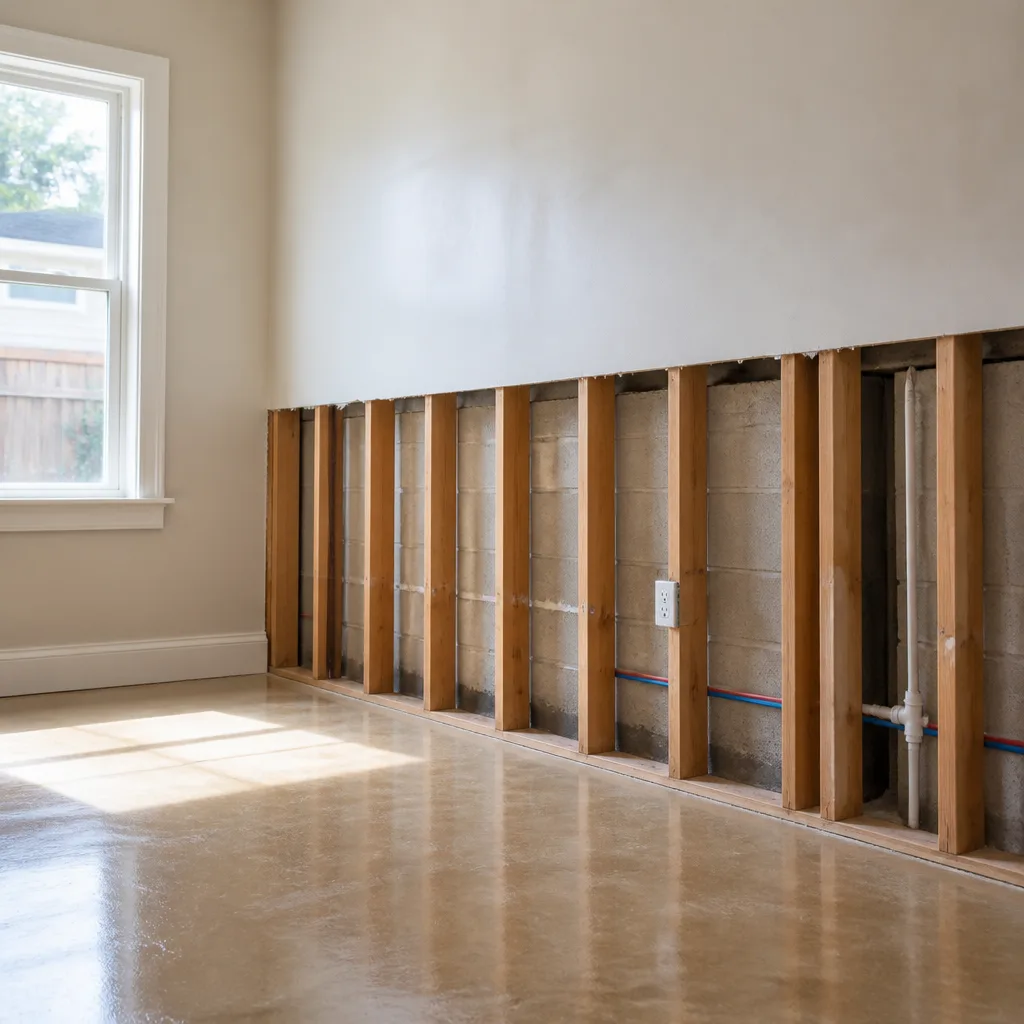
- Phase 3: Remediation and Cleaning. Once dry, materials that cannot be salvaged are removed under controlled conditions. Remaining surfaces are cleaned, sanitized, and treated according to the damage type. For mold, this means source removal to published standards. For fire, this means removing odor-bearing residues and sealing affected substrates.
- Phase 4: Reconstruction. Only after the environment is verified dry and remediated does structural repair begin. Drywall, flooring, cabinetry, and finishes are restored or replaced. This phase is where the property is returned to pre-loss condition, and it cannot start early without risking trapped moisture and future mold.
The reason this order is non-negotiable is simple: if you reconstruct before the environment is verified dry, you seal moisture into wall cavities. In our experience serving Murrieta homes near Murrieta Creek, the cost of redoing a rushed restoration is always higher than doing it correctly the first time. The sequence is a technical safeguard, not a bureaucratic formality.
Mitigation vs. Remediation vs. Reconstruction: What’s the Difference?
The three terms are often used interchangeably, but they describe different legal scopes of work under California contracting law. Understanding this is important for insurance claims and for verifying that the company you hire is properly licensed for each phase.
Mitigation is the immediate response that stops further damage. Extracting water, boarding up windows after a fire, tarping a storm-damaged roof, setting drying equipment. Mitigation is emergency work, and it has a different cost structure in most insurance policies because it prevents additional loss.
Remediation is the removal of hazardous conditions. Mold remediation, sewage cleanup, asbestos abatement if discovered, lead paint stabilization. Remediation is performed to published health and safety standards, specifically the IICRC S520 for mold. It requires containment, negative air pressure where applicable, and verification testing.
Reconstruction is permanent repair and rebuilding. Structural framing, drywall replacement, flooring installation, cabinet rebuilds, painting. Phase 4 in the sequence above.
Why this matters in Murrieta: under California law, a contractor performing reconstruction must hold a CSLB license for the trade involved. A mitigation company that only handles water extraction and drying may not be licensed or permitted to perform structural repairs. The cleanest solution is a company that performs all three phases under one credentialed roof, which is how Whitehall Water Damage home services are structured. No handoffs between a mitigation company and a separate reconstruction contractor means no gaps in accountability.
How Murrieta’s Climate Changes Drying Timelines
Murrieta sits inland, roughly 30 miles from the coast. That distance matters more than most people realize. Coastal California ZIP codes fight ambient humidity during drying. Murrieta’s problem is often the opposite: low relative humidity and high summer heat that make some materials dry fast on the surface while staying wet underneath.
Here is the technical reality. Murrieta’s summer temperatures routinely exceed 95°F, and ambient relative humidity can drop below 20%. That creates a rapid surface-drying condition. Gypsum board feels dry to the touch within hours. But the cavity behind the drywall, where the framing and insulation sit, remains wet. If a contractor stops equipment based on surface readings, the wall gets sealed with 20%+ moisture still trapped inside. That is exactly the condition that feeds mold growth.
Coastal restoration crews without inland experience will sometimes calculate drying equipment based on standard psychrometric tables designed for higher ambient humidity. They undersize the dehumidification because the air feels dry. But the moisture burden in the structure doesn’t care about ambient readings. It responds to vapor pressure differential, and proper drying requires calculating the grain depression needed to pull bound moisture from wood and gypsum back into the air stream.
Winter in Murrieta presents the inverse challenge. Cooler nights and occasional rain can slow evaporation rates. Drying chambers run longer. The key variable across both seasons is consistent, daily logging of psychrometric data: temperature, relative humidity, specific humidity, and material moisture content at multiple depths. A competent restoration company in Murrieta adjusts equipment daily based on that data. A less rigorous operator sets equipment and leaves it running until someone claims the job is done.
Reading a Moisture Mapping Report: What Your Contractor Should Log
You should never accept a verbal “it’s dry now” as proof that restoration is complete. The industry standard is a documented moisture map showing readings from every affected room, with readings taken at multiple depths to distinguish surface moisture from what’s trapped in wall cavities and subfloors.
A proper moisture mapping report includes:
- Room-by-room grid readings. Each affected room is divided into zones, and each zone gets multiple readings. A 10 x 12 room should show 15-25 data points, not a single number.
- Depth readings. Surface readings from non-invasive meters tell you about the gypsum face. Invasive probe readings tell you about the wood framing behind it. Both are required for a defensible dry standard.
- Baseline readings from unaffected areas. You need to know what “dry” readings look like in your home’s unaffected rooms. The goal is to return affected materials to within a few percentage points of baseline, not to hit some universal number that ignores your home’s pre-loss condition.
- Daily logs with psychrometric data. Temperature, relative humidity, and specific humidity readings taken at the same time each day. This data shows whether the drying curve is progressing or stalled, and it tells the contractor when to adjust equipment placement or capacity.
- Final verification readings. The last data set before equipment removal, showing all affected materials below the documented dry standard. This becomes part of your claim file.
Professional-grade equipment makes this data reliable. Meters and logging systems from brands like Dri-Eaz are calibrated and designed for the exact conditions found in residential and commercial restoration. A contractor who does not produce a moisture map with this level of detail cannot prove the structure is dry. And in Murrieta’s climate, surface dryness is not proof of anything.
Scope of Loss Documentation: The Insurance Claim Foundation
Every insurance claim for damage restoration in Murrieta turns on documentation. The single most important document in your claim file is the scope of loss. This is a written description of what was damaged, what the restoration plan is, what materials will be removed and replaced, and what each phase costs. It must be created before any demolition begins.
Why before demolition? Because once materials are removed, the physical evidence disappears. An adjuster who arrives after demo sees an empty room and a contractor’s invoice. An adjuster who arrives before demo sees water-stained baseboards, swollen drywall, and visible mold growth. The scope of loss captures that evidence in writing and photographs while it still exists.
A defensible scope of loss includes:
- Photographic documentation of every affected surface, with date and time stamps
- Moisture readings mapped to each photograph
- A written line-item list of materials to be removed, replaced, or cleaned
- Justification for each item tied to industry standards (IICRC S500 for water, S520 for mold, S700 for fire)
- Cost estimates aligned with recognized pricing databases used by the insurance industry
The scope also matters for who does the work. If your restoration involves water damage restoration in Murrieta, the scope should specify which materials are salvageable and which must be removed. For mold remediation in Murrieta, the scope must define the containment protocol and the verification standard that will be used to confirm the remediation succeeded. For fire damage restoration in Murrieta, the scope must identify which surfaces require specialized odor treatment versus full replacement.
A restoration company that balks at producing a written scope before starting work is a red flag. The documentation exists to protect you as much as to justify the claim.
How to Audit Any Restoration Contractor in Murrieta
You have more leverage than you think when hiring a restoration contractor. The key is knowing what questions separate a credentialed operation from a general contractor who owns a wet vac. Here is a practical audit you can run in five minutes:
- Ask for credentials. The IICRC (Institute of Inspection, Cleaning and Restoration Certification) is the recognized certifying body for damage restoration. An IICRC-certified technician has passed exams on drying science, remediation protocols, and equipment application. Ask specifically: “Are your technicians IICRC-certified, and in which categories?” A real restoration company answers without hesitation.
- Ask which industry standards govern the work. Correct answers: S500 for water damage, S520 for mold, S700 for fire and smoke. If the contractor cannot name the standard, they are not following one.
- Ask what drying equipment they run. The right answer includes commercial brands: Dri-Eaz, Phoenix, and Injectidry systems for targeted in-place cavity drying. If the answer is “industrial fans from the rental yard,” that tells you the company has not invested in the equipment required for structural drying science.
- Ask for a daily moisture log. A credentialed restoration company logs psychrometric data daily and shares it with you. If they cannot commit to daily documentation, that is a gap.
- Ask whether remediation and reconstruction are performed in-house. Handoffs create accountability gaps. If mold is discovered during a mold remediation and the water restoration company does not handle these in-house, you end up coordinating between companies while the damage sits. One credentialed team handling water, mold, and fire damage, no subcontractor handoffs, is a signal of operational maturity.
Membership in the Restoration Industry Association (RIA) and alignment with IFA standards add another layer of accountability. These organizations require adherence to documented practices and provide a channel for disputes. They are not marketing badges. They are industry accountability structures.
Common Mistakes to Avoid
- Waiting to call because the damage “doesn’t look that bad.” The 72-hour mold window is real, and it starts the moment materials get wet. In Murrieta’s summer heat, visible drying on the surface can mislead you into thinking the structure is fine. It is not. Call immediately.
- Accepting a verbal “it’s dry” without a moisture map. No written moisture log means no proof the structure is dry. If the contractor cannot produce one, the drying was not performed to a verifiable standard.
- Allowing demolition before a scope of loss is written. Once walls are opened and materials are removed, the physical evidence is gone. A written scope, with photos and moisture readings, before any demo is non-negotiable for insurance.
- Using a general contractor for emergency mitigation. Most general contractors do not own commercial drying equipment and do not hold IICRC certification. Their trade is building, not drying science. Early-phase mistakes in extraction and drying compound into expensive remediation later.
- Stopping drying equipment early to “save money.” Drying equipment runs on a curve. Removing it before materials hit dry standard means you paid for most of the drying and then stopped short of the outcome. The mold that grows afterward costs far more than the extra three days of equipment would have.
- Assuming insurance will cover everything without documentation. Adjusters approve claims based on evidence. Missing moisture logs, missing photos, missing scope of loss documentation means denied line items. Documentation is the difference between a fully funded restoration and a shortfall.
- Hiring based on price alone for remediation phases. Mold remediation and fire damage restoration are health and safety work. The cheapest bid almost always cuts corners on containment, verification, or equipment. In Murrieta, remediation quality varies widely, and the consequences of inadequate work stay in the walls long after the invoice is paid.
When to Call a Professional
Any water event that soaks porous building materials, any mold visible beyond surface discoloration, any fire that leaves smoke residue on surfaces, any sewage backup, any roof leak that has been running for more than a few hours, all of these require professional assessment. The threshold is not whether you can see the full extent of the damage. The threshold is whether porous materials have absorbed moisture or contaminants. If they have, professional equipment and documented protocols are required, and they are required quickly.
Whitehall Water Damage offers free estimates in Murrieta. Call (844) 643-8708 to have a certified technician assess the condition and produce a written scope of loss before any work begins.
Frequently Asked Questions
Water damage restoration in Murrieta typically ranges from $1,800 to $7,500 depending on the square footage affected, the materials involved, and how long the water has been standing; see our Damage Restoration Cost Breakdown: The Murrieta Homeowner’s Reference for 2026 for detailed pricing factors. Mold remediation typically ranges from $2,500 to $12,000 depending on the affected area and whether containment and cavity drying are required. Fire damage restoration typically ranges from $4,000 to $30,000 or more depending on the extent of structural, smoke, and odor damage. Call (844) 643-8708 for a free estimate and written scope based on your specific loss.
Extraction and initial drying setup typically take one day. Structural drying runs three to seven days in Murrieta’s inland climate, with the exact timeline driven by the moisture burden and your home’s construction materials. Remediation adds two to five days if mold is present. Reconstruction timelines depend entirely on the scope of repair. A typical water loss from extraction through completed reconstruction runs two to four weeks.
Most homeowners insurance policies in California cover sudden and accidental water damage, fire damage, and mold remediation when mold results from a covered water event. Slow leaks, poor maintenance, and flood damage are commonly excluded. The critical factor is documentation: photos, moisture logs, and a written scope of loss created before demolition begins. Call (844) 643-8708 for guidance on documenting your claim correctly.
If visible mold covers more than roughly 10 square feet, or if the source of moisture has been active for more than 72 hours, you likely need professional mold remediation with containment. Surface cleaning without source removal and without addressing the moisture source will leave the underlying growth intact, and it will return within weeks. A certified inspector can determine the actual scope based on moisture mapping and air quality testing.
Yes, when the equipment is sized and placed correctly. Commercial dehumidifiers from brands like Dri-Eaz are designed to operate efficiently in high-heat, low-humidity conditions, but the key variable is the moisture burden of the structure, not the outside temperature. A qualified technician calculates the grain depression required and adjusts equipment daily based on psychrometric readings.
A credentialed restoration company should handle adjuster coordination for you. That means providing the adjuster with the scope of loss, daily drying logs, photographs, and equipment records that support the claim. This documentation is the language adjusters speak, and a restoration company that works in this niche every day knows how to package it correctly. Whitehall Water Damage coordinates with your adjuster throughout the restoration process.
The Bottom Line
Damage restoration in Murrieta is a sequenced science defined by IICRC standards. Extraction precedes drying. Drying precedes remediation. Remediation precedes reconstruction. Each phase has documented benchmarks that must be verified before the next phase begins. Murrieta’s inland climate makes surface dryness misleading, which is why moisture mapping and daily psychrometric logs are not optional extras. They are the proof that the work was done correctly. A credentialed restoration company will produce this documentation without being asked. If yours will not, find one that will.
Written by the team at Whitehall Water Damage, serving Murrieta since 2015.
See the difference
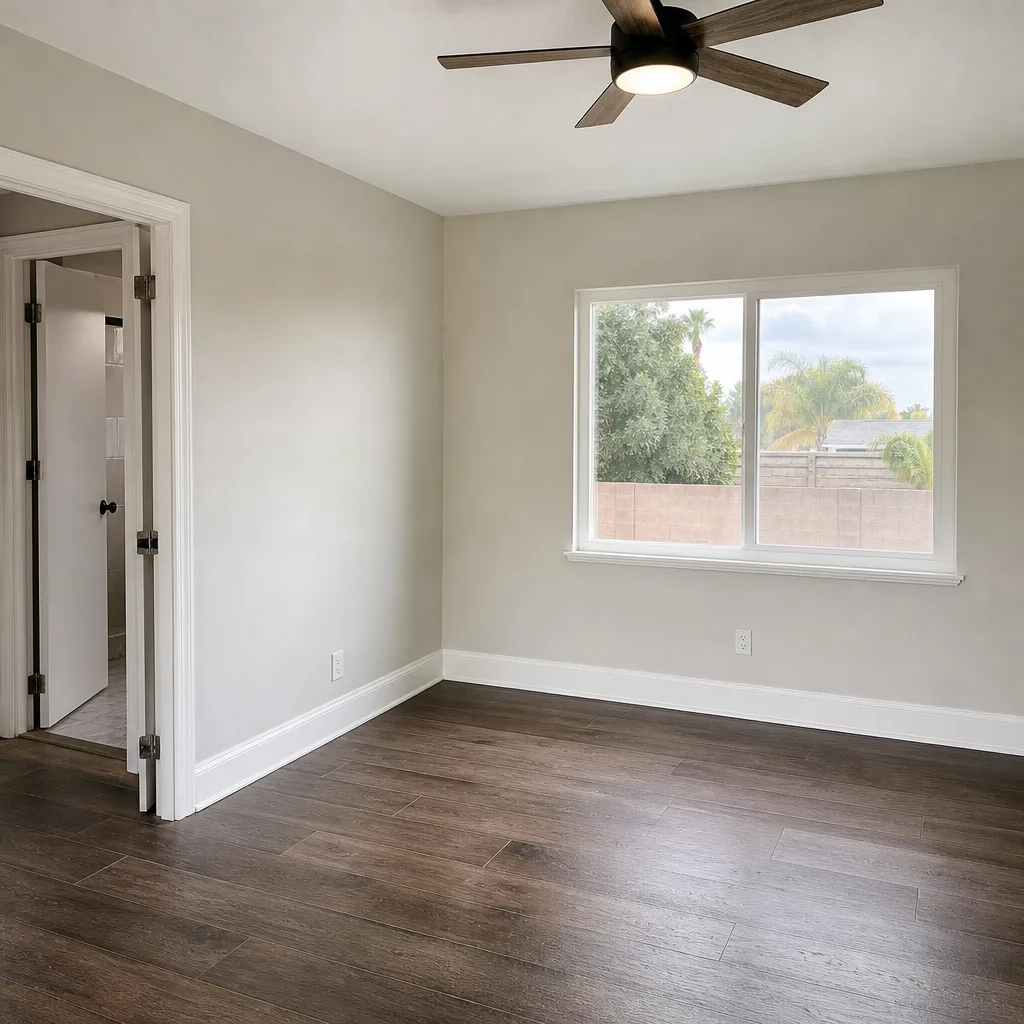
 Before
 After
 Before
 After
 Before
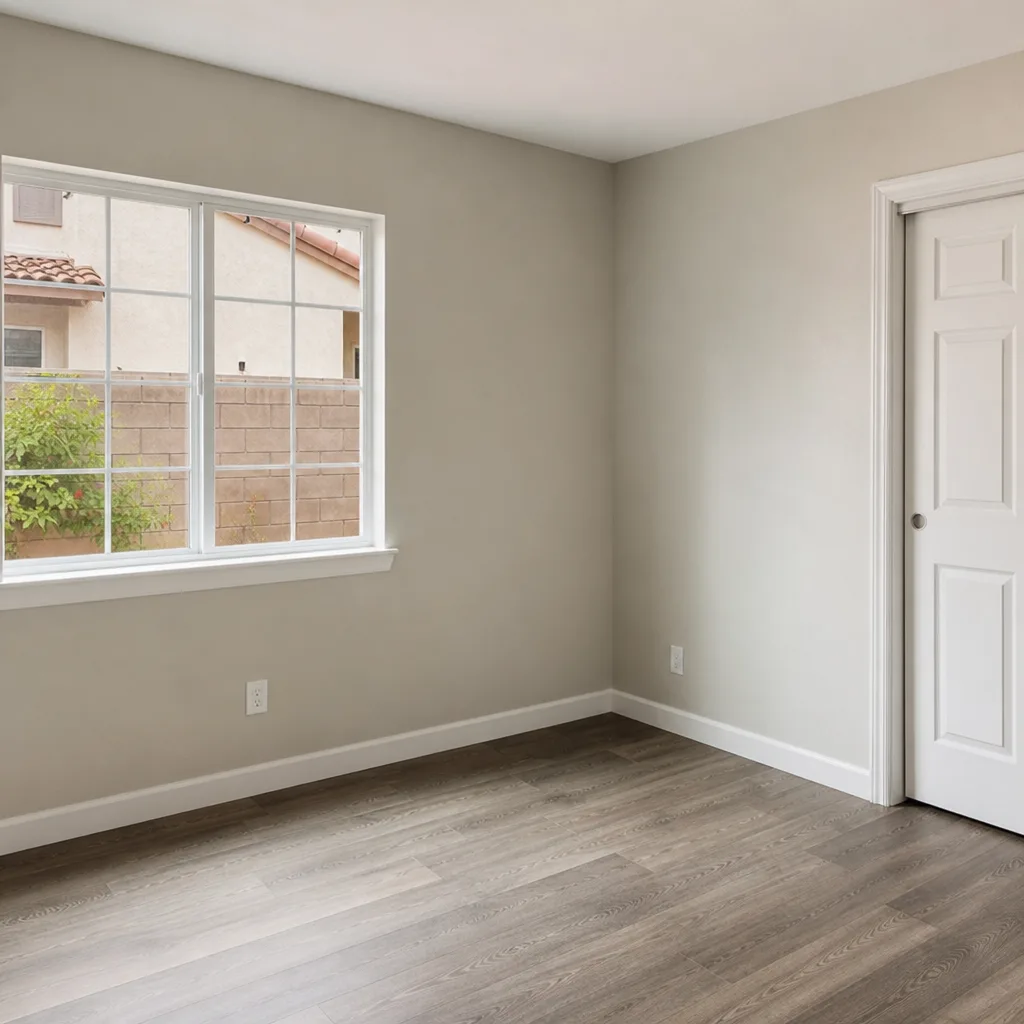 After